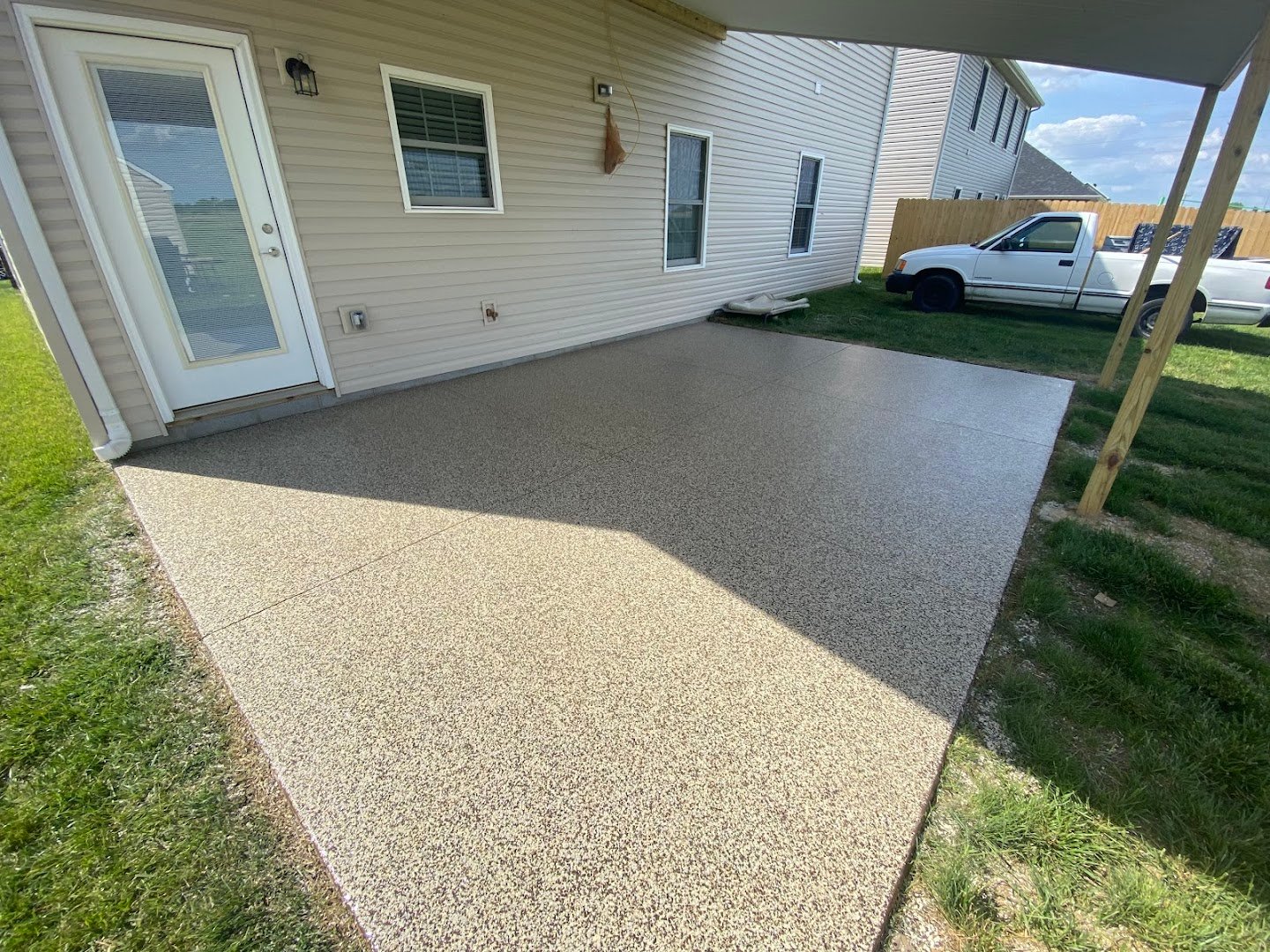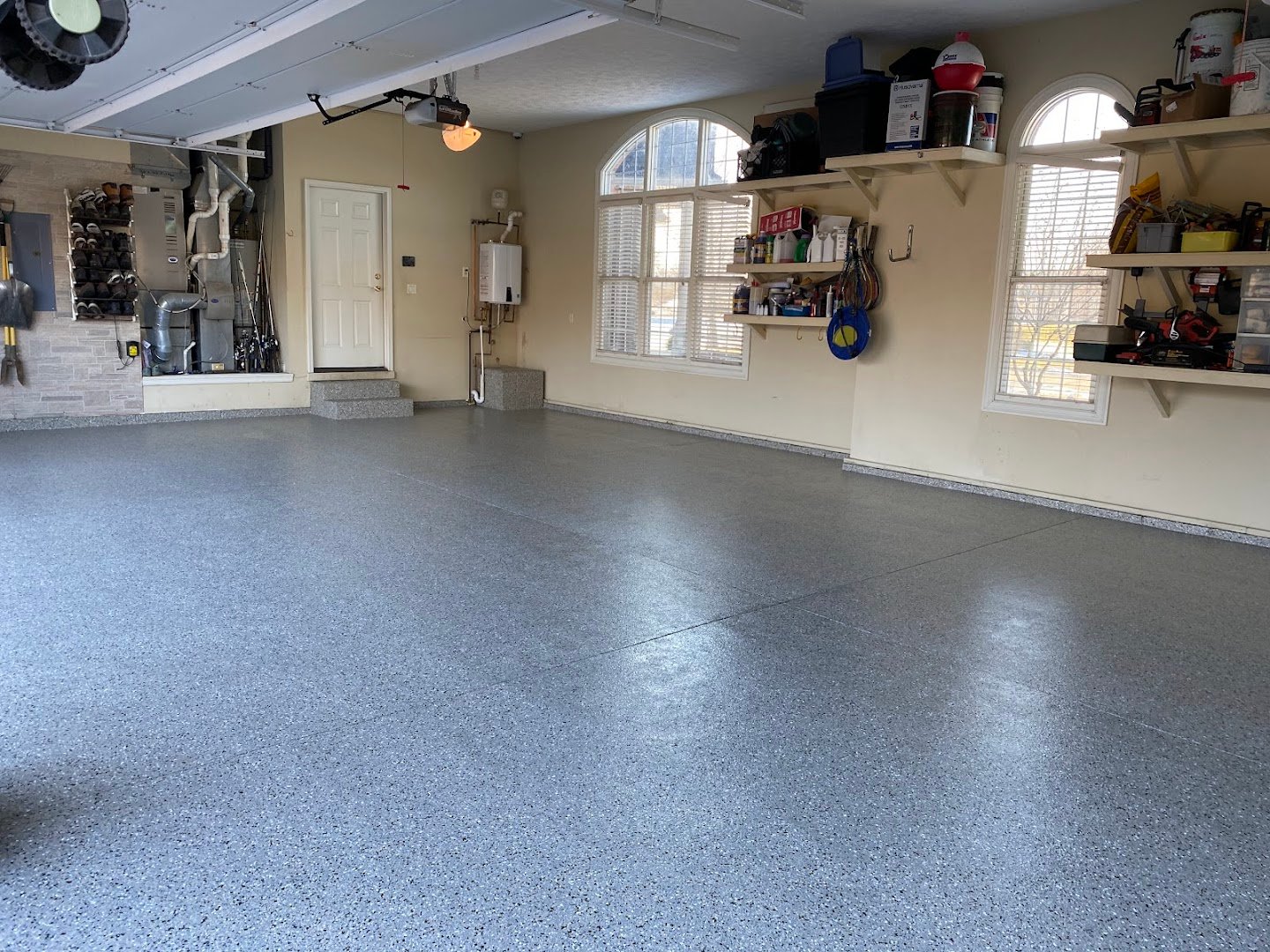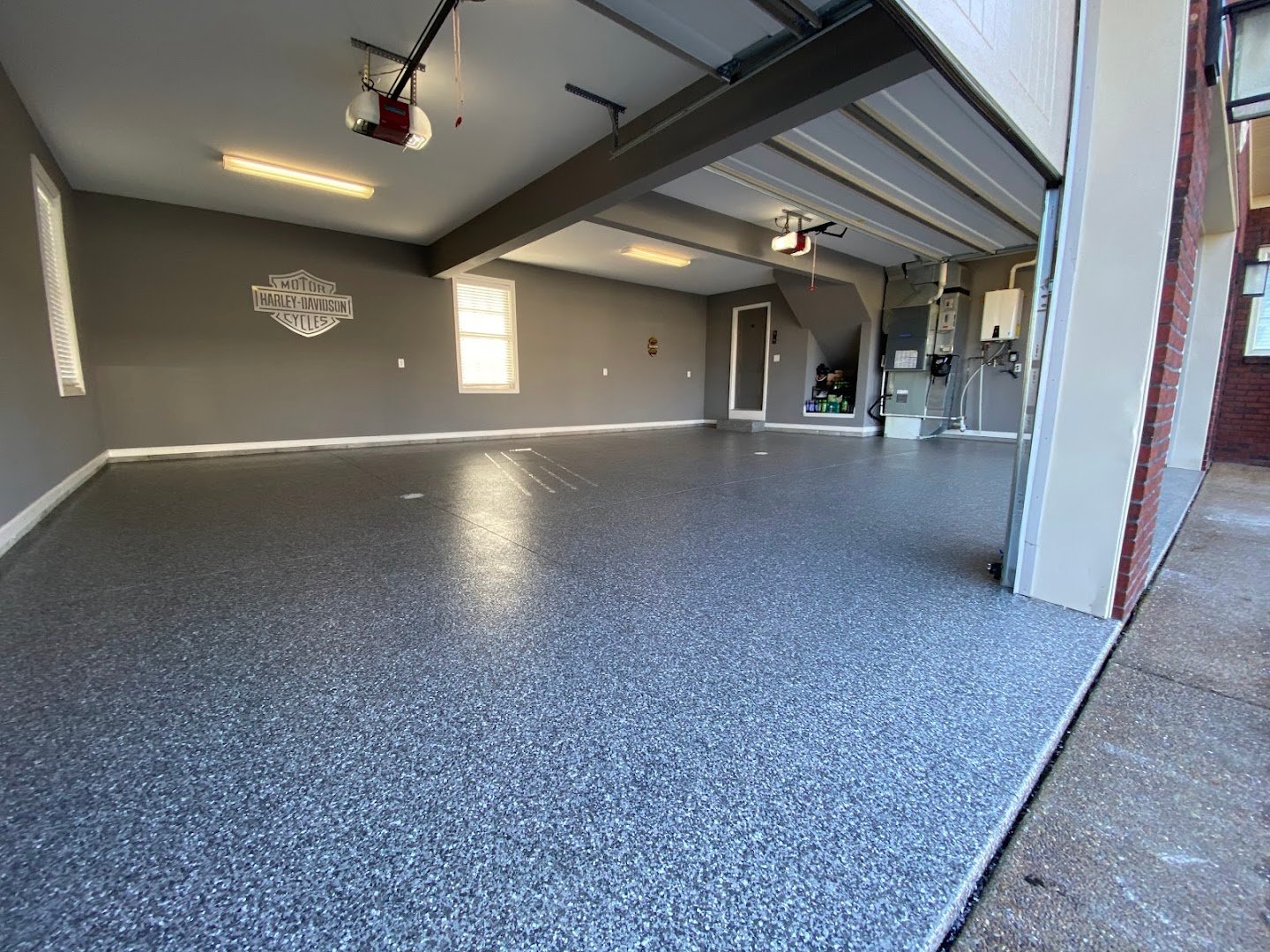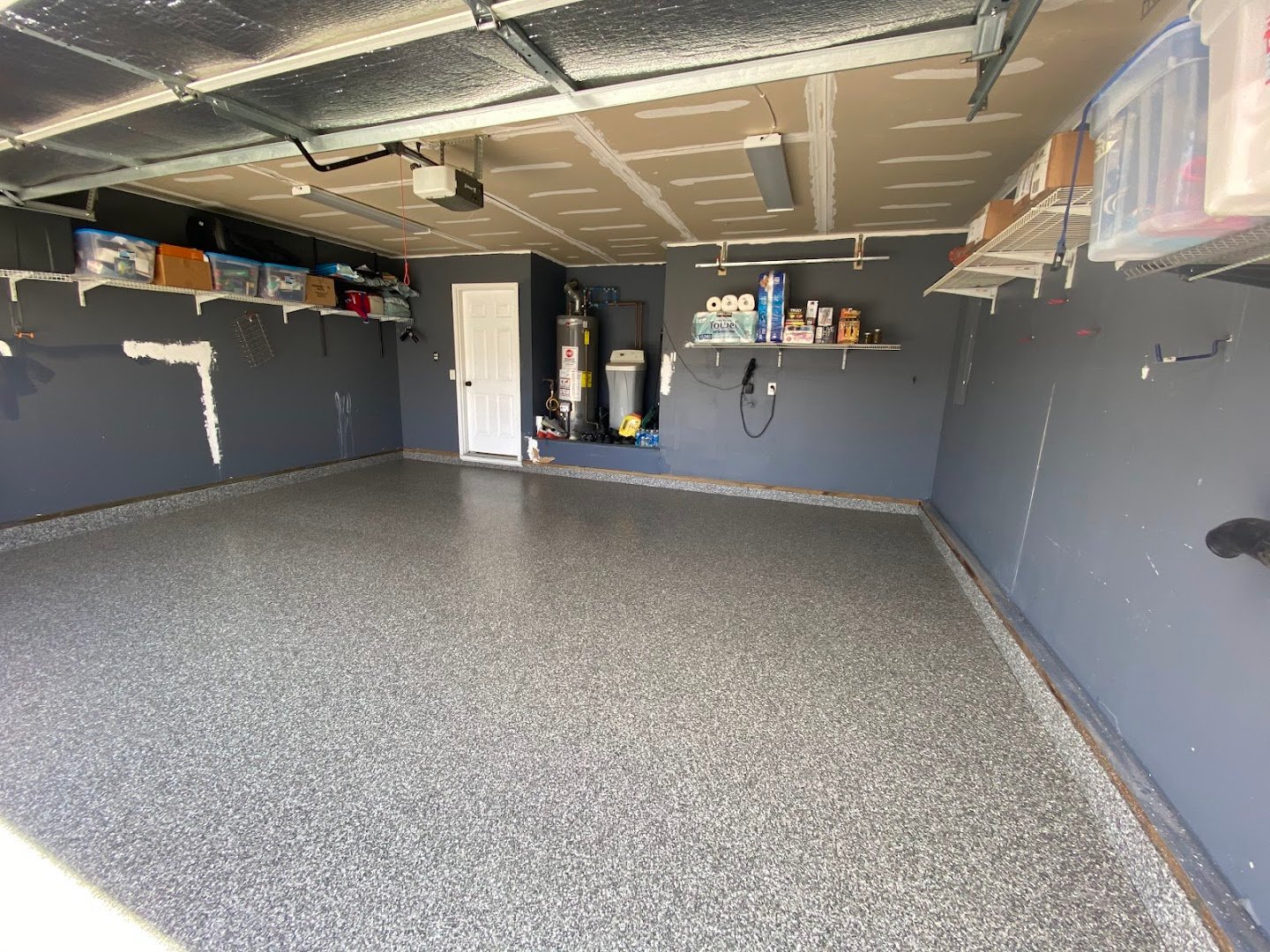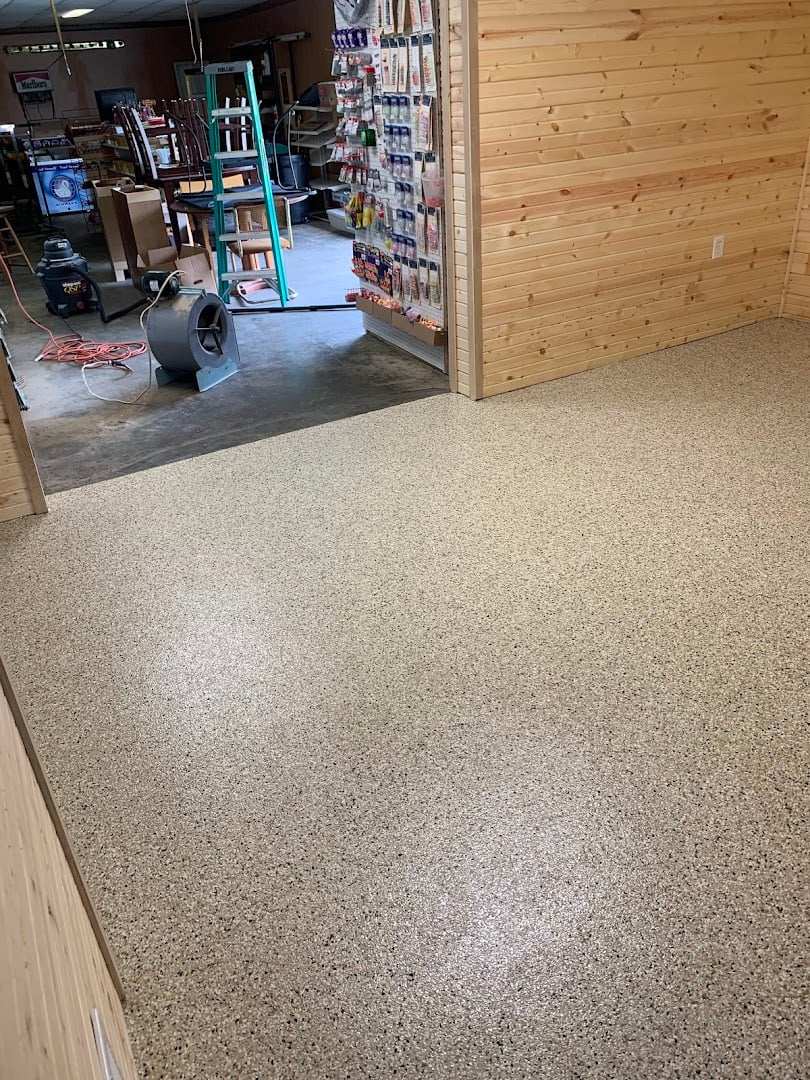

When you envision transforming dull, grey concrete into a vibrant, personalized surface, the discussion often turns to acid base concrete stain. These specialized staining techniques offer a powerful way to infuse character and color into your floors, patios, driveways, and more. Far from a simple paint job, concrete staining creates a translucent, mottled, or opaque finish that becomes an integral part of the concrete itself. Whether you’re aiming for an earthy, variegated look or a more uniform, bold statement, understanding the nuances of acid and base stains is the first step toward achieving your vision.
Understanding Acid Concrete Stains
Acid concrete stains, often referred to as reactive stains, work through a chemical reaction with the minerals present in your concrete, primarily lime. Unlike paints that simply coat the surface, acid stains penetrate and react, creating unique, permanent color variations that cannot be replicated. The metallic salts in the stain react with the free lime, producing a translucent, mottled effect that resembles natural stone, aged leather, or even polished marble. Because the outcome is dependent on the concrete's specific composition and porosity, every acid-stained surface is truly one-of-a-kind.
The color palette for acid stains is typically earthy, ranging from browns and tans to soft blues and greens. These colors are not applied but rather developed within the concrete, offering a rich, deep hue that won't chip, peel, or fade over time. While beautiful, the reactive nature means less control over the exact final shade, which adds to its organic appeal but requires an experienced hand to manage expectations. Proper preparation and a quality sealer are crucial to protect the newly stained surface and enhance its longevity.
Exploring Base Concrete Stains (Water-Based)
In contrast to acid stains, base concrete stains (often water-based) utilize pigments to color the concrete. These stains do not rely on a chemical reaction but instead penetrate the concrete's pores to deposit color. This method offers a much broader spectrum of colors, including vibrant reds, yellows, and even black, providing greater flexibility in design. Water-based stains can be applied to achieve either a translucent wash, similar to acid stains, or a more opaque, uniform color, depending on the product and application technique.
Water-based stains are known for their consistency and predictability. They offer more control over the final color, making them an excellent choice for projects where a specific aesthetic is paramount. They are also generally easier to apply, have a low odor, and dry quickly, making them a popular option for both interior and exterior applications. While they don't offer the same reactive, mottled depth as acid stains, their versatility in color and finish makes them a powerful tool for concrete transformation.
The Key Differences: Acid vs. Base Concrete Stain
Choosing between an acid base concrete stain depends heavily on your desired aesthetic and the existing condition of your concrete. Here’s a breakdown of their primary differences:
- Color Palette: Acid stains offer earthy, reactive colors (browns, greens, blues) with unique variegation. Base stains provide a wider, more vibrant color spectrum with greater consistency.
- Application & Reaction: Acid stains chemically react with concrete minerals, creating a permanent, translucent, mottled finish. Base stains use pigments that penetrate the surface, offering translucent to opaque finishes without a chemical reaction.
- Predictability: Acid stains are less predictable due to concrete variations, resulting in unique, organic patterns. Base stains offer more control over the final color and appearance.
- Depth & Character: Acid stains create a deep, multi-tonal, natural-looking finish. Base stains can achieve a more uniform or layered look, depending on application.
Ultimately, both methods deliver stunning results that elevate the appearance of concrete, but their distinct characteristics cater to different design preferences and project requirements. An expert consultation can help determine which type of acid base concrete stain is best suited for your specific project.
Applications for Stained Concrete Surfaces
The versatility of acid base concrete stain makes it suitable for a wide array of residential and commercial applications. Imagine your garage floor transformed from a drab slab into a durable, attractive surface that withstands spills and heavy traffic. Basements, often overlooked, can become inviting living spaces with the rich, warm tones of stained concrete. Patios and pool decks benefit immensely, gaining slip resistance and a sophisticated look that complements outdoor landscaping.
Even high-traffic areas like driveways and walkways can be enhanced with stained concrete, offering an elegant alternative to plain grey. The key to a successful application across these diverse surfaces lies in meticulous surface preparation, expert application techniques, and the crucial final step of sealing. A high-quality sealer protects the stain from wear, UV rays, and moisture, ensuring your investment remains beautiful for years to come. ICON Concrete Coatings specializes in bringing these transformations to life across Indiana and Kentucky.
Frequently Asked Questions About Acid Base Concrete Stain
What is the typical lifespan of a concrete stain?
With proper application and maintenance, both acid and base concrete stains are incredibly durable. When sealed correctly, they can last for decades, especially in interior applications. Exterior surfaces may require resealing every few years due to exposure to UV light and weather, but the stain itself is permanent within the concrete.
Can I apply acid base concrete stain myself?
While DIY kits exist, achieving professional-grade results with acid base concrete stain requires significant expertise. Factors like concrete porosity, previous coatings, and application technique heavily influence the outcome. Professionals understand these variables and have the tools to ensure proper surface preparation, even application, and effective sealing, preventing costly mistakes.
What kind of maintenance does stained concrete require?
Stained concrete is remarkably low maintenance. Regular sweeping or vacuuming and occasional damp mopping with a pH-neutral cleaner are usually sufficient. Avoid harsh chemicals or abrasive cleaners, as these can damage the sealer over time. For exterior surfaces, occasional pressure washing (on a low setting) can help remove dirt and debris.
Are there limitations to where concrete stain can be applied?
Concrete stains work best on bare, unsealed concrete. Existing paint, epoxy coatings, or heavy sealers must be completely removed for the stain to penetrate and react properly. Also, very old or heavily damaged concrete might not take the stain evenly. A professional assessment can determine if your concrete is a good candidate.
How do I choose the right color for my acid base concrete stain project?
Choosing a color involves considering your existing decor, desired aesthetic, and the specific type of stain. Acid stains offer a more natural, earthy palette, while base stains provide a wider range of vibrant options. It's always recommended to view samples on concrete similar to yours and consult with a professional who can guide you through the selection process based on your project's unique characteristics.
Transforming your concrete with an acid base concrete stain is an investment in lasting beauty and durability. Whether you desire the organic depth of an acid stain or the vibrant consistency of a base stain, ICON Concrete Coatings is here to deliver exceptional results. As The Best Concrete Coating Company Serving Indiana and Kentucky, we pride ourselves on our craftsmanship and commitment to customer satisfaction. Ready to revitalize your space? Contact us today for a free estimate and let's bring your concrete vision to life.