When it comes to finishing your basement, one of the biggest decisions you'll face is choosing the right flooring. The debate of basement flooring vs carpet is a common one, and for good reason. Basements present unique challenges that aren't typically found on upper levels, primarily concerning moisture, temperature fluctuations, and overall durability. Making an informed choice now can save you a lot of headaches and expenses down the road.
This guide will delve into the most frequently asked questions about basement flooring options, helping you understand the pros and cons of carpet versus other popular choices. We'll explore what makes certain materials suitable (or unsuitable) for a basement environment, discuss modern trends, and provide insights to help you create a comfortable, functional, and long-lasting space in your Indiana or Kentucky home.
Is carpet in a basement a good idea?
Carpet in a basement can be a tempting choice due to its immediate comfort, warmth, and sound-dampening qualities. It feels soft underfoot, can make a cold concrete slab feel cozier, and helps absorb echoes, which is great for media rooms or play areas. However, whether it's a "good idea" largely depends on your basement's specific conditions and your priorities.
The primary concern with carpet in a basement is moisture. Basements are inherently prone to humidity and potential water intrusion, whether from leaks, condensation, or even just high ambient moisture. Carpet, especially with a traditional padding, can trap moisture, creating a breeding ground for mold, mildew, and unpleasant odors. Once mold takes hold, it can be very difficult and expensive to remediate, often requiring complete removal and replacement of the carpet.
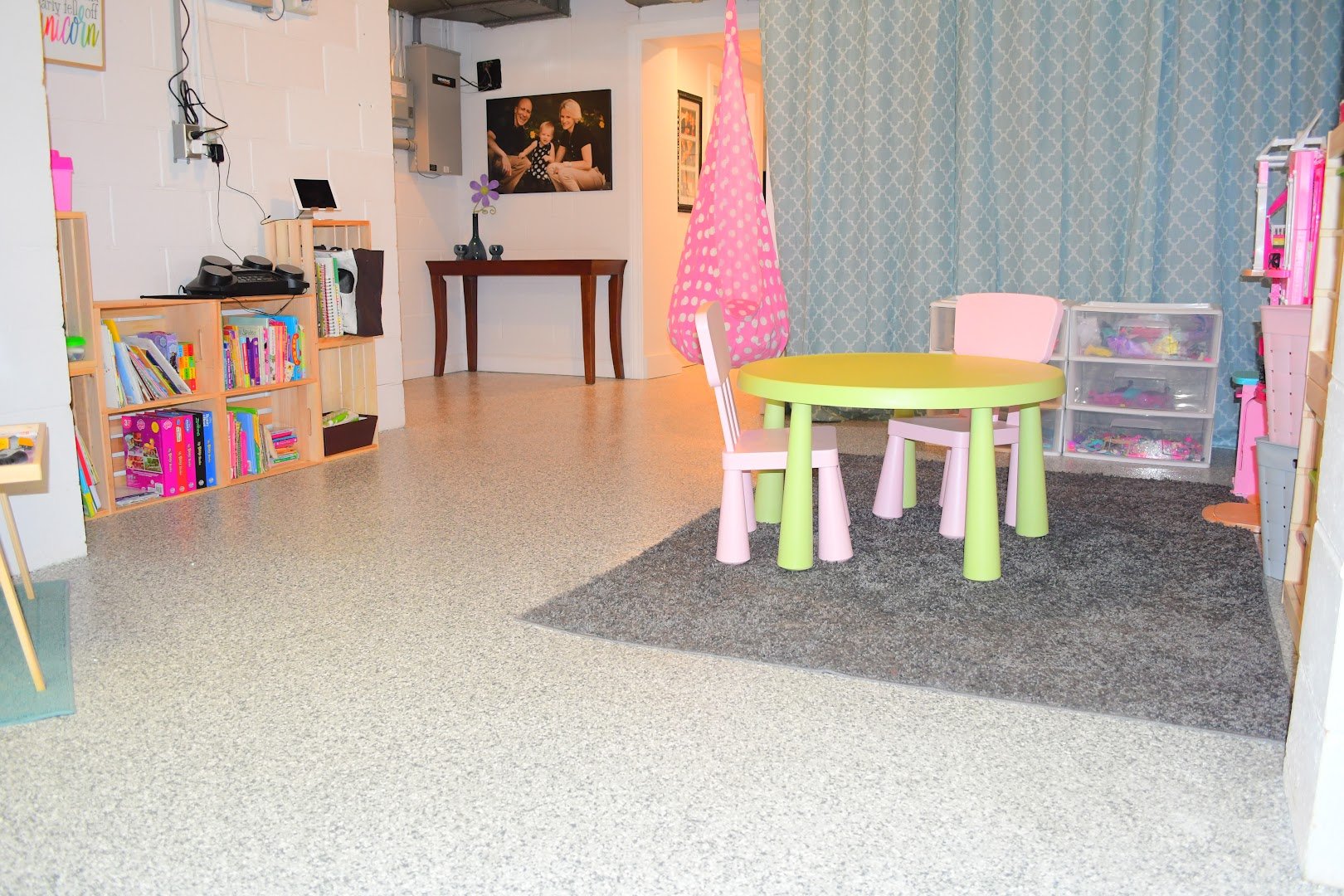
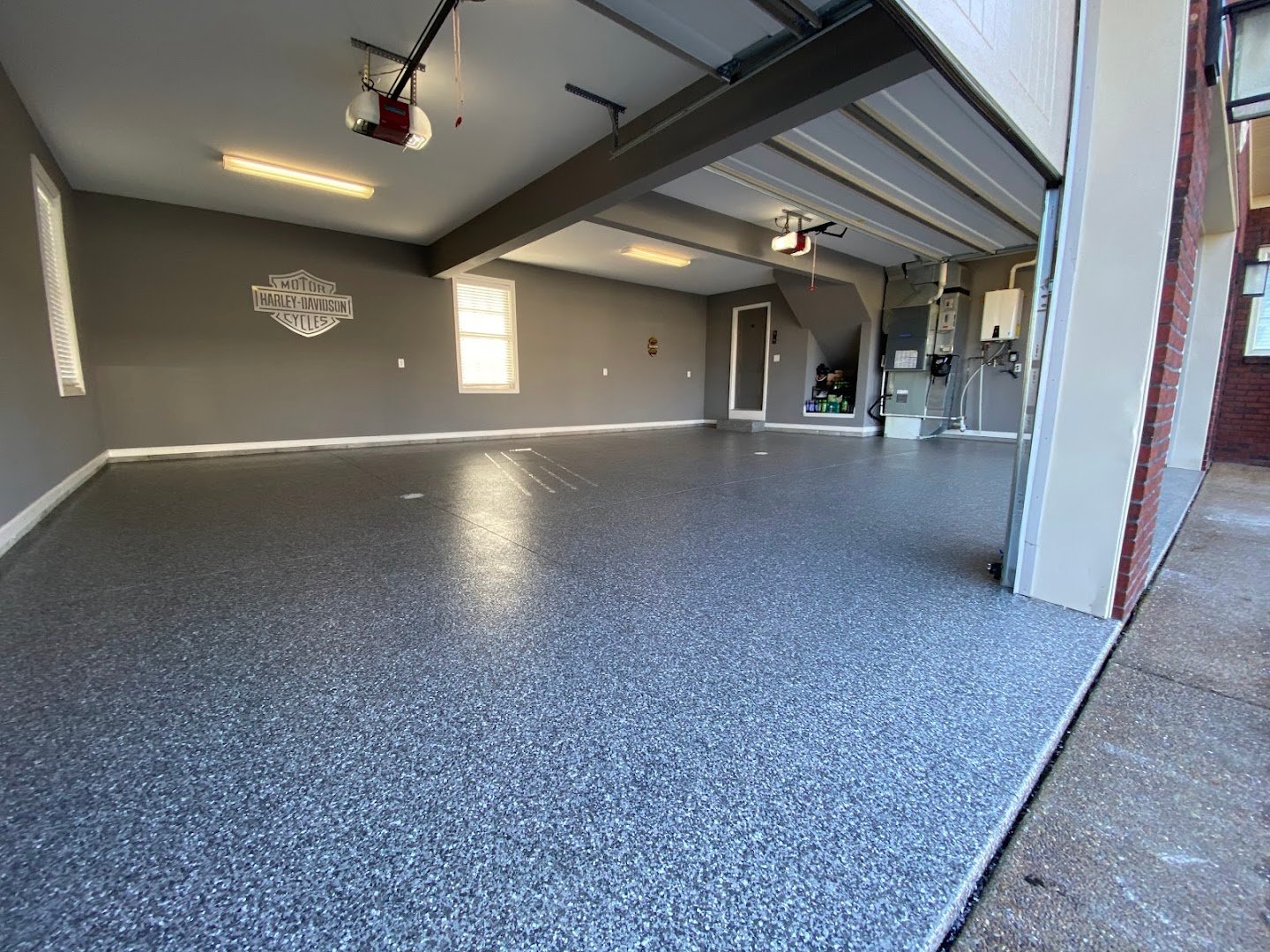
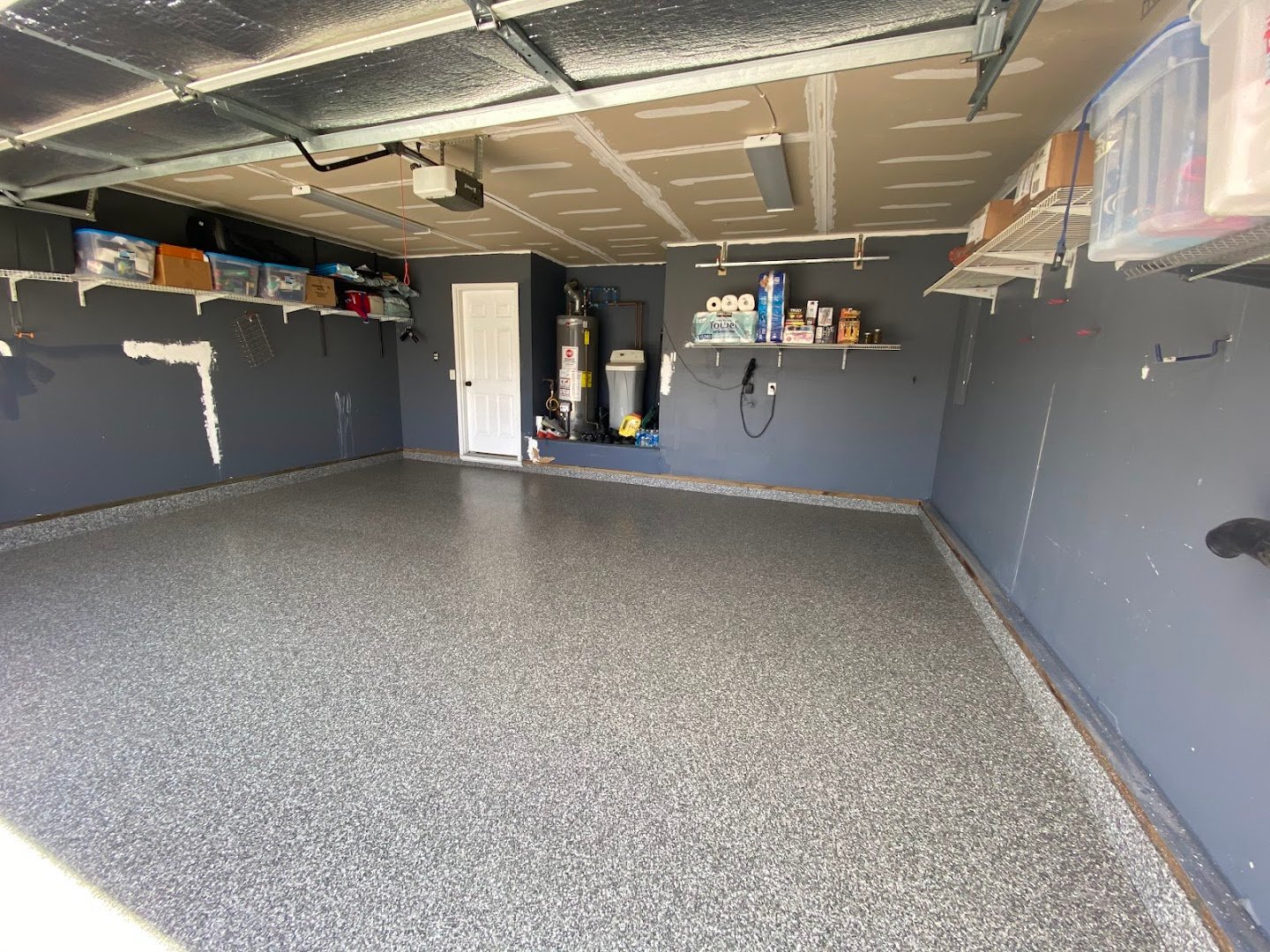
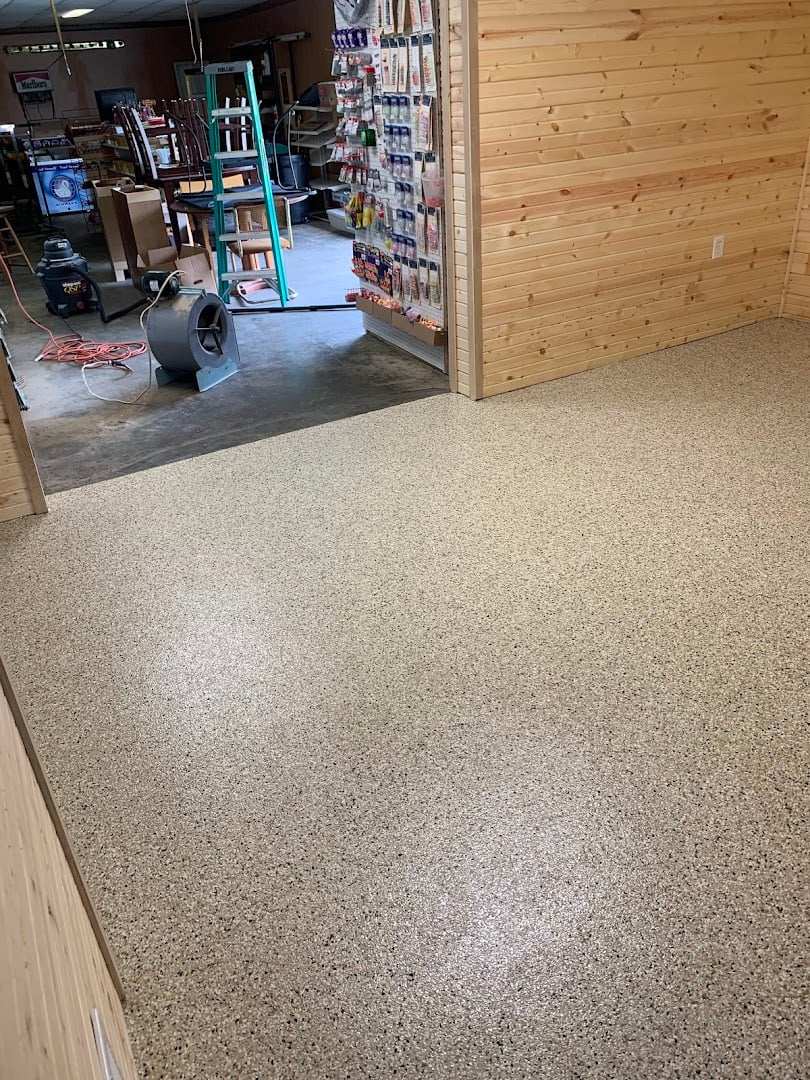
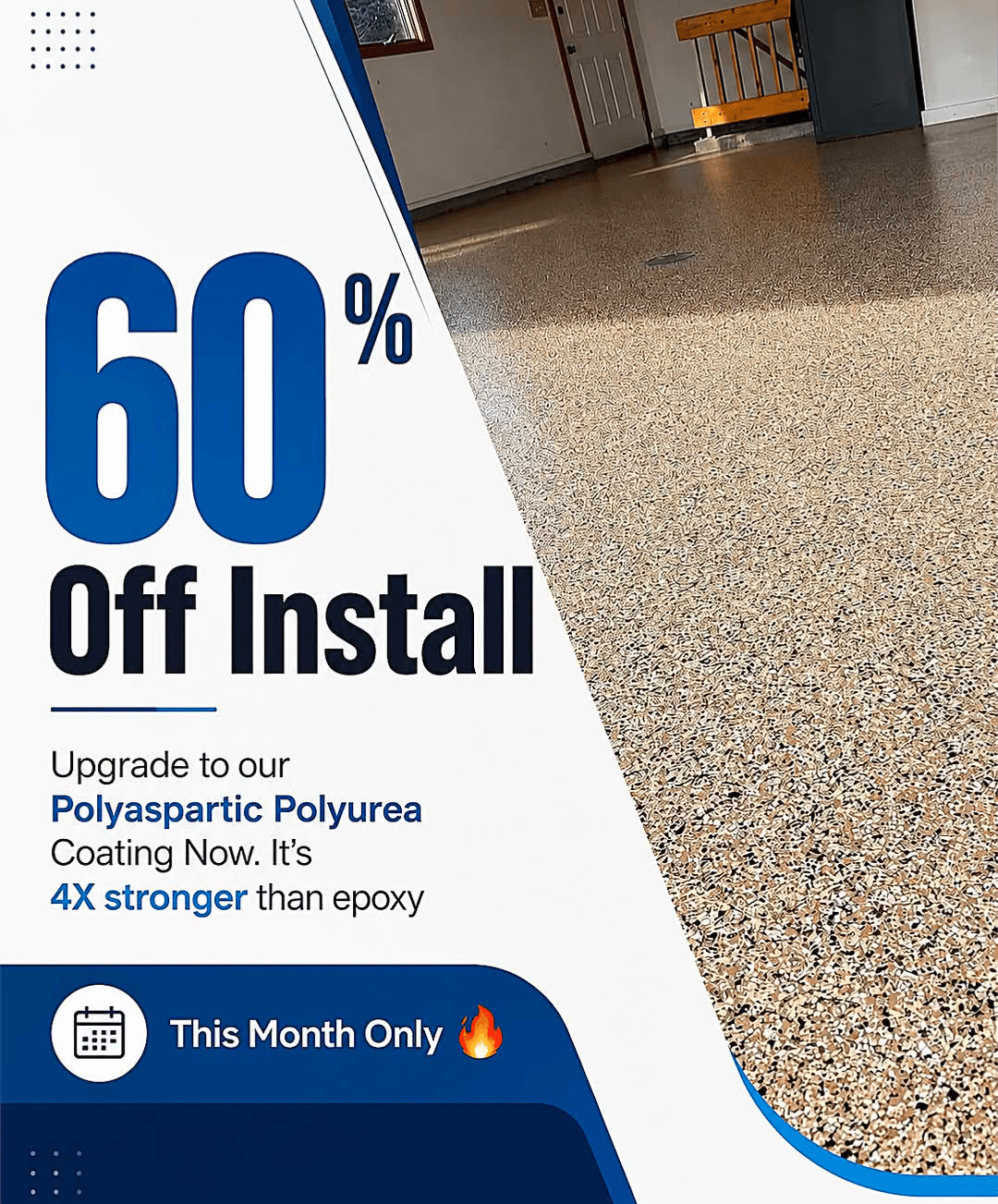
Furthermore, carpet's durability in a basement environment can be compromised. Heavy foot traffic, spills, and the damp conditions can lead to premature wear, staining, and deterioration. While some advancements have been made in moisture-resistant carpet and padding, they don't eliminate the risk entirely. For a truly resilient and low-maintenance basement floor, many homeowners are exploring alternatives that offer superior moisture protection and longevity, such as the durable concrete coatings offered by ICON Concrete Coatings.
Is carpet outdated in 2026?
The idea of whether carpet is "outdated" is subjective and largely depends on changing design trends, personal preferences, and the specific application. In 2026, carpet is certainly not universally outdated, but its role and prevalence have evolved, especially in certain areas of the home like basements.
For main living areas, bedrooms, and stairs, carpet continues to be a popular choice for its comfort, warmth, and sound absorption. Modern carpet styles offer a vast array of colors, patterns, and textures, moving beyond the shag carpets of the past to include sophisticated low-pile options, natural fibers, and even carpet tiles that allow for creative designs and easy replacement of damaged sections.
However, in areas prone to moisture, heavy traffic, or where easy cleaning is paramount – such as kitchens, bathrooms, and especially basements – hard surface flooring has gained significant traction and is often preferred. Materials like luxury vinyl plank (LVP), tile, and polished or coated concrete offer superior durability, moisture resistance, and ease of maintenance, aligning with modern homeowners' desires for practical yet stylish solutions. While carpet will always have its place, the trend in basements specifically leans towards more resilient and moisture-friendly options, making traditional wall-to-wall carpet less common in new basement finishes unless specific moisture control measures are rigorously in place.
What flooring is not recommended for basements?
Choosing the wrong flooring for a basement can lead to significant problems down the line, primarily due to the unique environmental challenges of below-grade spaces. Several types of flooring are generally not recommended for basements because they are highly susceptible to moisture damage, mold growth, and warping.
- Solid Hardwood: This is perhaps the least recommended option. Hardwood is extremely sensitive to moisture and humidity fluctuations. It can warp, cup, buckle, and even rot when exposed to damp conditions, which are common in basements.
- Laminate Flooring: While often more affordable than hardwood, most laminate flooring products have a core made of high-density fiberboard (HDF) or medium-density fiberboard (MDF). These materials absorb moisture readily, leading to swelling, delamination, and irreparable damage. Even water-resistant laminates have limitations.
- Standard Carpet with Traditional Padding: As discussed, traditional carpet and padding can trap moisture, leading to mold, mildew, and odors. Unless specifically designed for basement use with advanced moisture barriers and materials, it's a risky choice.
- Cork Flooring: Despite its natural appeal and comfort, cork is highly porous and vulnerable to moisture. It can swell, warp, and grow mold if exposed to dampness, making it unsuitable for most basement environments.
The key takeaway is to avoid materials that are organic and highly absorbent. Instead, opt for inorganic, moisture-resistant options that can withstand the unique conditions of a basement. This is where solutions like the high-performance concrete coatings from ICON Concrete Coatings truly shine, offering a durable, seamless, and moisture-impervious surface that protects your basement floor for years to come.
What is the best carpet for people with asthma?
For individuals with asthma or allergies, choosing the right flooring is crucial, and while hard surfaces are often recommended, if carpet is desired, certain types are better than others. The goal is to minimize allergens like dust mites, pet dander, and mold spores that can get trapped in carpet fibers.
- Low-Pile or Tightly Woven Carpet: These carpets have shorter, denser fibers, making it harder for allergens to settle deep within the carpet. They are also easier to vacuum and clean effectively.
- Natural Fibers (with caution): Wool can be a good option as it's naturally resistant to dust mites and mildew, but it must be kept dry. Sisal or jute can also work, but their rough texture might be less comfortable.
- Synthetic Fibers with Low VOCs: Look for carpets made from synthetic materials like nylon or olefin that are certified low-VOC (Volatile Organic Compounds). VOCs can irritate respiratory systems. Certifications like Green Label Plus by the Carpet and Rug Institute indicate lower emissions.
- Carpet Tiles: These can be beneficial because individual tiles can be removed and thoroughly cleaned or replaced if they become contaminated, without having to redo the entire floor.
Beyond the carpet itself, the padding and installation are important. Opt for a low-VOC padding and ensure the subfloor is completely dry and sealed before installation to prevent moisture issues. Regular, thorough cleaning with a HEPA-filter vacuum is essential for any carpet in an allergy-friendly home. However, for the ultimate in allergen control, many allergy sufferers find that smooth, non-porous surfaces like polished concrete or epoxy coatings are superior as they don't trap allergens and are incredibly easy to keep clean.
Choosing the right basement flooring is a significant investment in your home's comfort and value. While carpet offers certain comforts, the unique challenges of a basement often call for more durable and moisture-resistant solutions. If you're looking for a long-lasting, low-maintenance, and stylish option for your Indiana or Kentucky basement, consider the advanced concrete coating systems offered by ICON Concrete Coatings.
We provide free consultations and quotes to help you explore the best flooring solution for your specific needs, ensuring your basement remains a beautiful and functional space for years to come. Don't compromise on quality or peace of mind – get a free quote today!