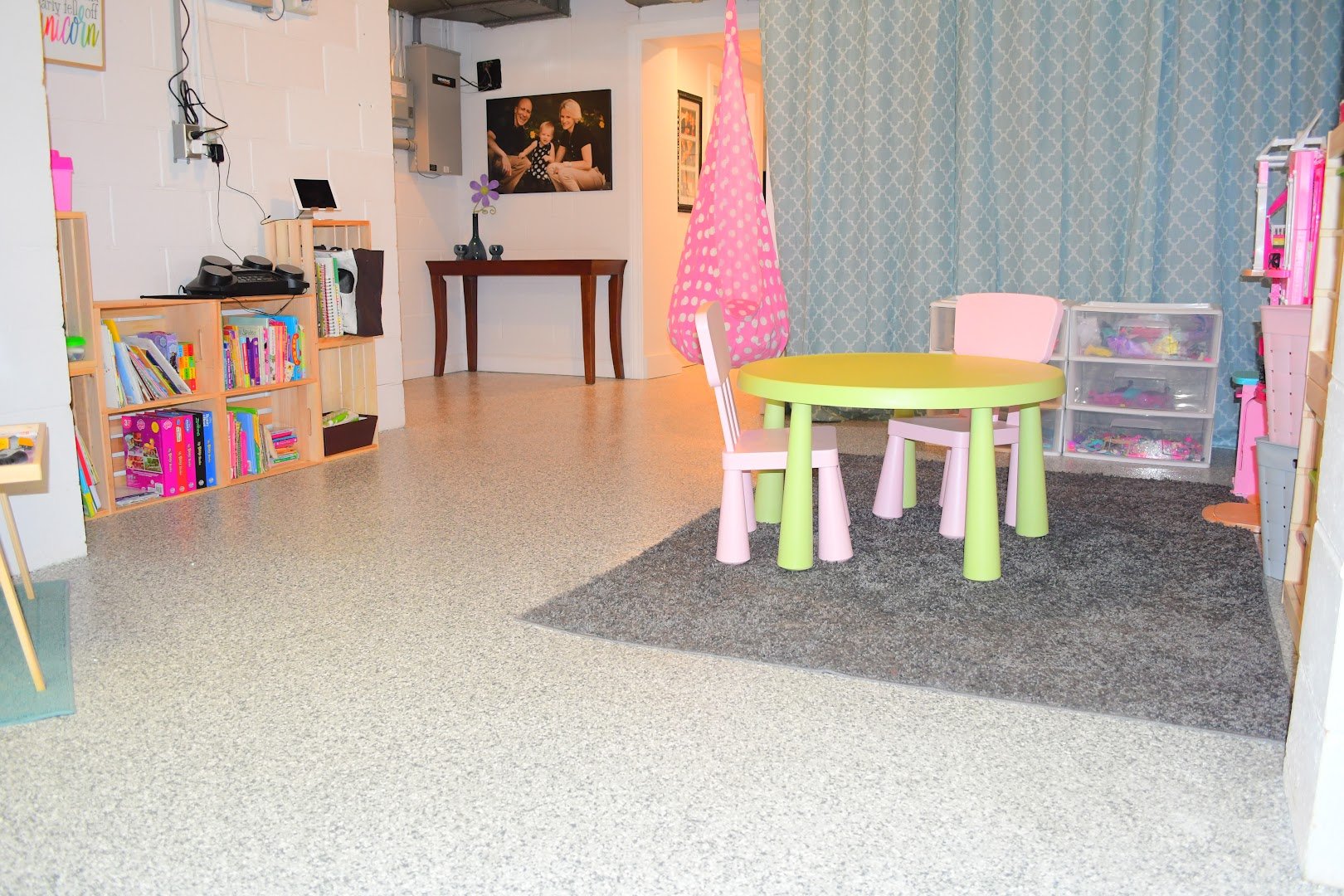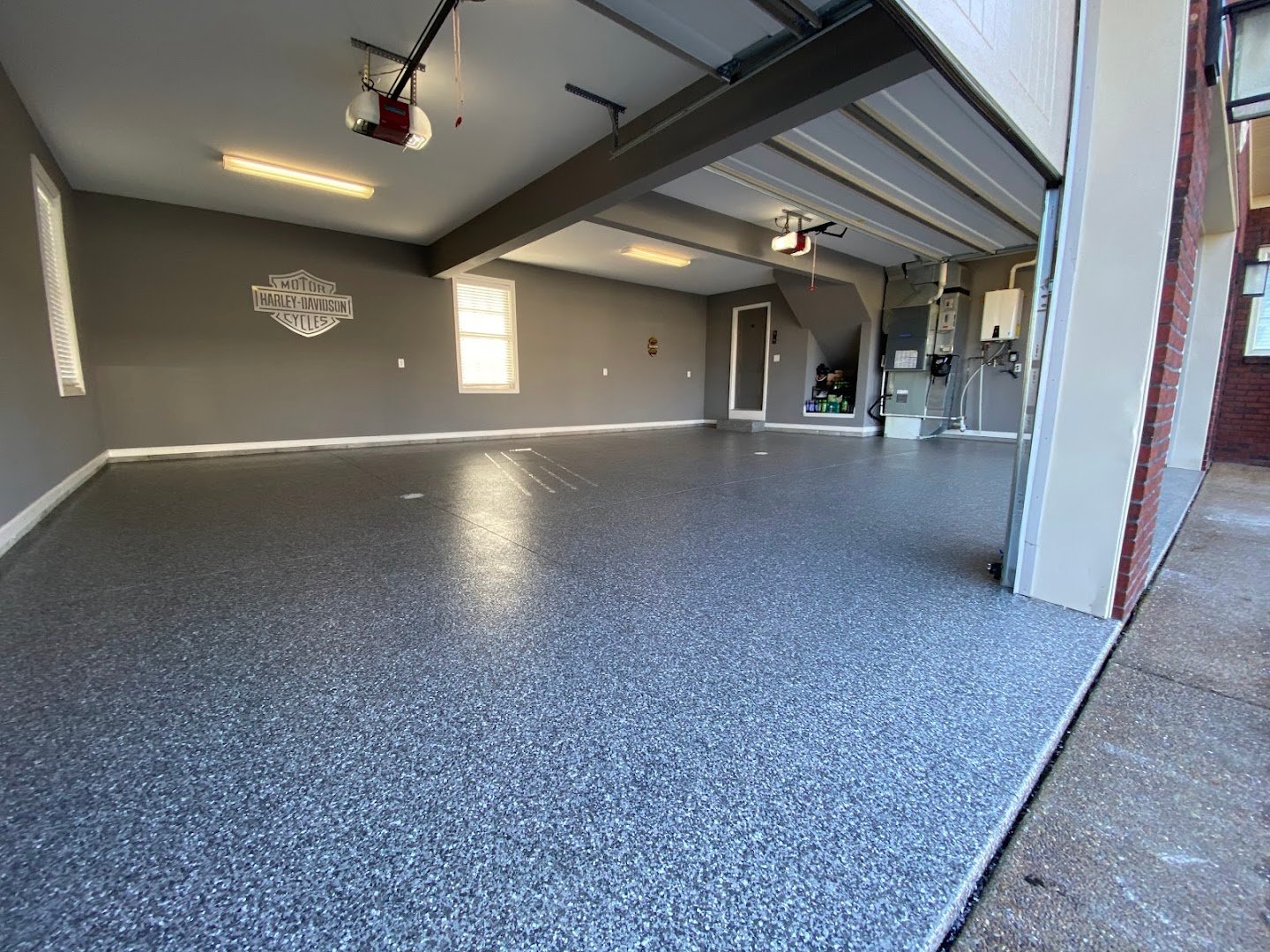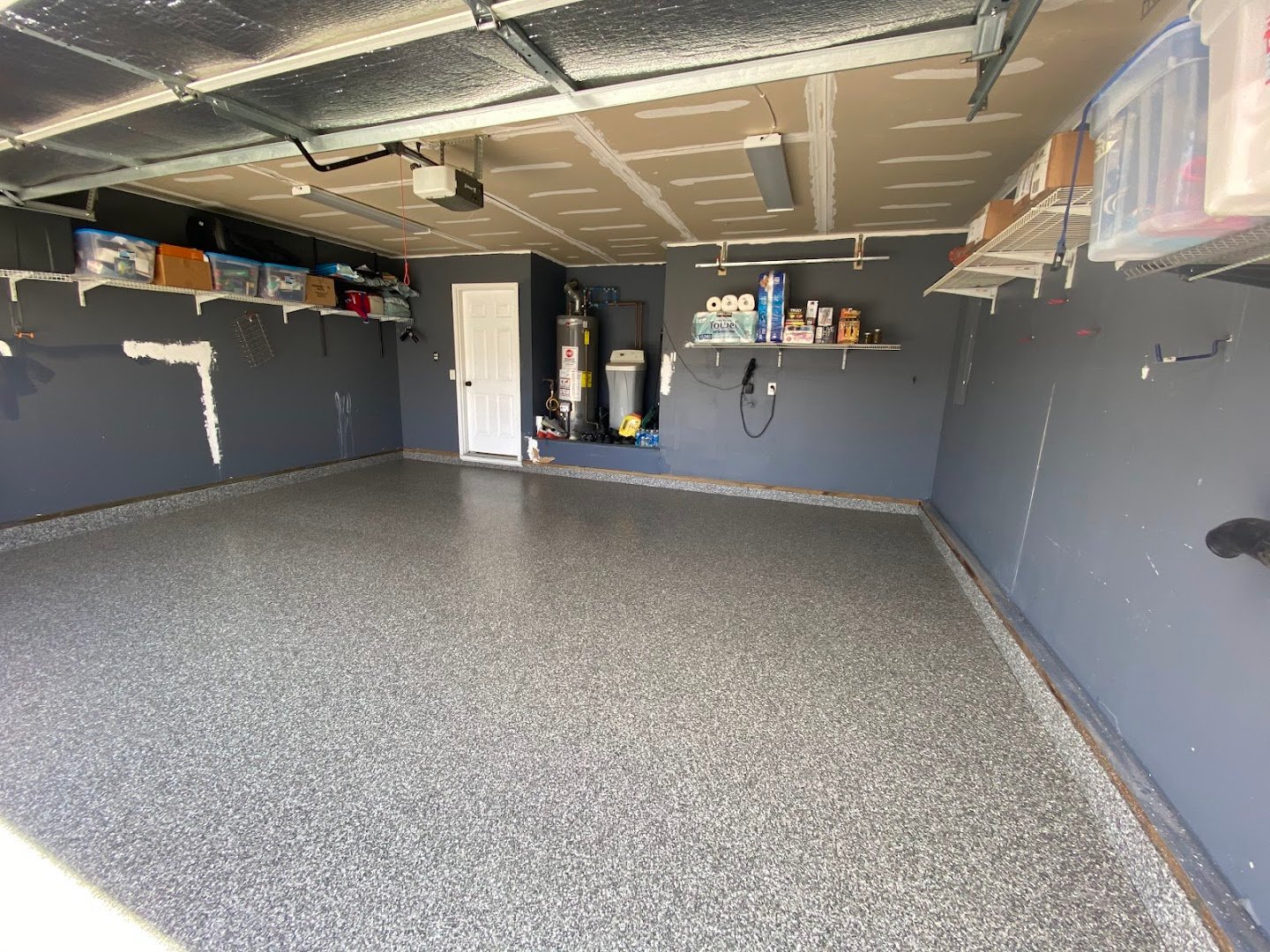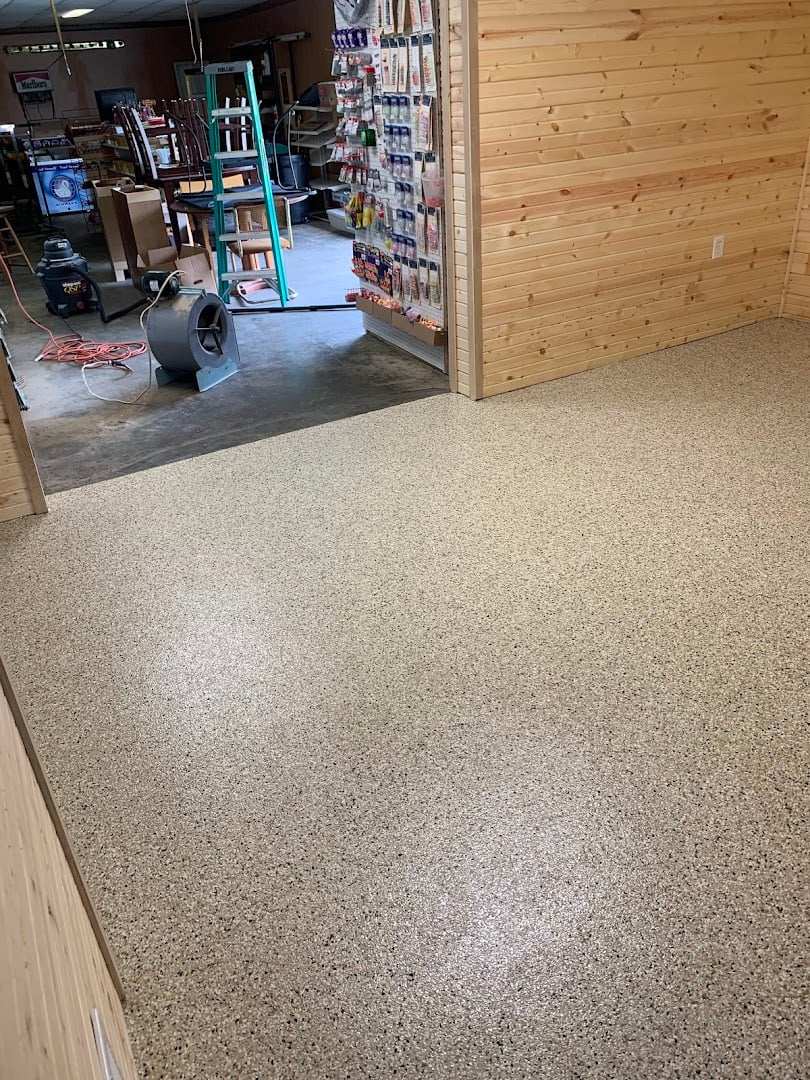
Your patio is more than just a concrete slab; it's an extension of your living space, a place for relaxation, entertainment, and making memories. Over time, however, concrete patios can show wear and tear from weather, foot traffic, and spills. That's where a high-quality patio coating comes in, transforming a dull, damaged surface into a beautiful, durable, and easy-to-maintain outdoor oasis.
Choosing the right coating can seem overwhelming with so many options available. This comprehensive Q&A post is designed to help you navigate the world of concrete coatings, providing expert insights into the best materials, what influences cost, and how different types compare. We'll answer some of the most common questions homeowners have when considering a patio upgrade, helping you make an informed decision for your outdoor space.
What is the best coating for an outdoor concrete patio?
When it comes to selecting the best coating for an outdoor concrete patio, several factors come into play, including durability, UV resistance, slip resistance, and aesthetic appeal. While traditional epoxy coatings are popular for indoor applications, they often fall short outdoors due to their susceptibility to UV degradation, which can lead to yellowing and chalking over time.
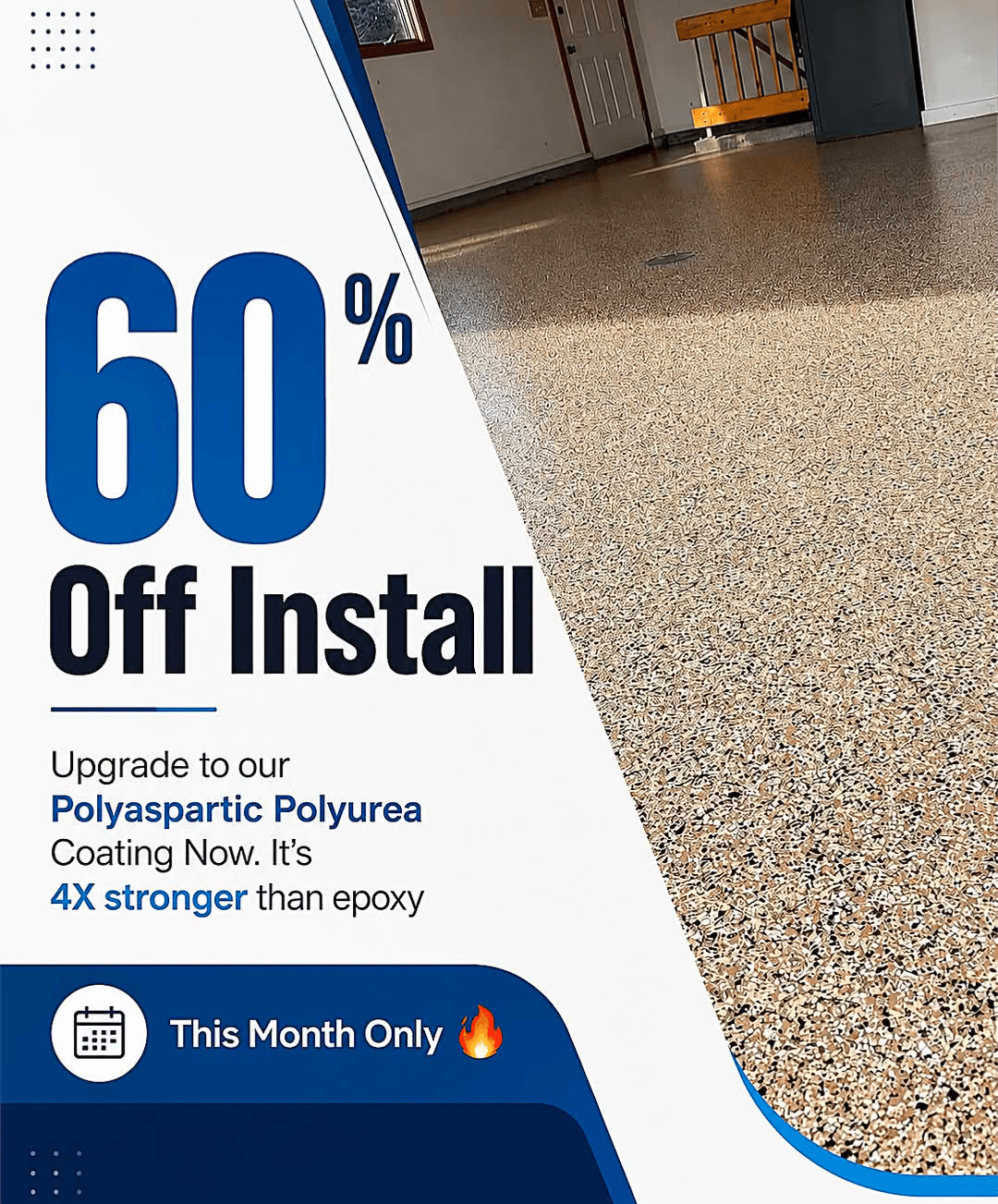
For outdoor concrete patios, a polyaspartic coating is widely considered the superior choice. Polyaspartic coatings offer exceptional UV stability, meaning they won't yellow or fade when exposed to direct sunlight. They are also incredibly durable, resisting abrasions, chemicals, and impacts far better than most other options. Furthermore, polyaspartic coatings are flexible, allowing them to expand and contract with temperature changes, which is crucial in climates like Indiana and Kentucky, preventing cracks and delamination.
Another significant advantage is their rapid cure time, allowing for quicker installation and return to use. When professionally installed by experts like ICON Concrete Coatings, a polyaspartic system, often combined with a polyurea base coat, provides a long-lasting, beautiful, and low-maintenance surface that can withstand the rigors of outdoor living for years to come.
How much does it cost to epoxy a floor 2000 square foot?
It's important to clarify that while the question mentions "epoxy a floor," for outdoor patios, polyaspartic or polyurea systems are generally recommended over traditional epoxy due to their superior outdoor performance. The cost for coating a 2000-square-foot concrete surface, whether it's a garage, basement, or patio, can vary significantly based on several key factors.
Firstly, the type of material used plays a major role. High-performance polyaspartic systems, which offer enhanced durability and UV resistance, typically have a higher material cost than standard epoxy. Secondly, the condition of the existing concrete is critical. Extensive repairs, crack filling, or surface leveling will add to the overall cost. Third, the complexity of the project, including the number of corners, obstacles, or unique design elements, can influence labor time.
Other factors include the desired aesthetic – for example, decorative flake systems or custom colors will impact material usage and labor. Because of these variables, providing a generic price for a 2000-square-foot project without a detailed assessment is not feasible. The best approach is to obtain a personalized, free quote from a reputable concrete coating company, which will take all these specifics into account to give you an accurate estimate.
What are the 4 types of coatings?
While there are many variations and brand-specific formulations, concrete coatings generally fall into a few primary categories based on their chemical composition and application. Here are four common types you might encounter:
- Epoxy Coatings: These are two-part systems (resin and hardener) known for their hardness and chemical resistance. Traditionally popular for garage floors, standard epoxy can yellow and become brittle with UV exposure, making it less ideal for outdoor patios.
- Polyurea Coatings: A highly durable and flexible coating, polyurea offers excellent abrasion and chemical resistance. It cures quickly and can be applied in a wide range of temperatures. Often used as a base coat in multi-layer systems, it provides a strong bond and flexibility.
- Polyaspartic Coatings: A type of polyurea, polyaspartic is specifically engineered for rapid curing and superior UV stability. It retains its color and flexibility even in direct sunlight, making it an excellent choice for outdoor applications like patios and pool decks. It also boasts high resistance to scratches, chemicals, and impacts.
- Acrylic Sealers: These are typically thinner, less durable coatings that provide a protective layer and often enhance the color of concrete. They are more affordable and easier to apply than other options but require more frequent reapplication (every 1-3 years) and offer less protection against heavy wear, stains, or impacts.
For long-lasting outdoor performance, polyurea and polyaspartic systems are generally preferred over traditional epoxy or basic acrylic sealers.
Is polyaspartic really better than epoxy?
For many applications, especially outdoor concrete surfaces like patios, the answer is a resounding yes, polyaspartic is generally better than traditional epoxy. While epoxy has its place in certain indoor settings, polyaspartic coatings offer significant advantages that make them superior for areas exposed to the elements and heavy use.
Here's a breakdown of why polyaspartic often outperforms epoxy:
- UV Stability: This is perhaps the biggest differentiator for outdoor use. Traditional epoxy will yellow, chalk, and degrade when exposed to UV rays, losing its aesthetic appeal and structural integrity. Polyaspartic, however, is UV stable, retaining its color and finish even under constant sun exposure.
- Flexibility: Polyaspartic coatings are more flexible than epoxy, allowing them to better withstand the natural expansion and contraction of concrete due as temperatures fluctuate. This flexibility helps prevent cracking and delamination, a common issue with rigid epoxy in outdoor environments.
- Durability: Polyaspartic boasts superior abrasion, impact, and chemical resistance compared to epoxy. This means your patio coating will stand up better to foot traffic, furniture movement, spills, and general wear and tear.
- Cure Time: Polyaspartic cures much faster than epoxy, often allowing for return to full use within 24 hours. Epoxy typically requires several days to fully cure, extending project timelines.
- Temperature Range for Application: Polyaspartic can be applied in a wider range of temperatures, making it a more versatile option for professional installers like ICON Concrete Coatings throughout the year in Indiana and Kentucky.
While epoxy might be a lower upfront cost, the long-term benefits, durability, and aesthetic retention of polyaspartic make it a more cost-effective and superior choice for outdoor concrete patios.
Ready to transform your outdoor concrete patio into a stunning and durable extension of your home? Understanding the best coating options is the first step. For personalized advice and a precise estimate tailored to your specific patio and needs, don't hesitate to reach out to the experts.
Contact ICON Concrete Coatings today for a free quote and discover how we can enhance your outdoor living space with a high-performance concrete coating.