Your driveway is often the first impression visitors have of your home. Far from being just a functional slab of concrete, it holds immense potential to enhance your property's overall aesthetic appeal. If you're looking to move beyond plain gray and explore options that add character, style, and durability, you're in the right place. Decorative driveway coatings offer a fantastic way to transform this essential space.
This Q&A post delves into the most common questions homeowners have about decorative driveway coatings. We'll explore how to make your driveway visually appealing, discuss the best coating options, consider whether decorative concrete can go over existing surfaces, and address potential drawbacks of certain materials. Our goal is to provide you with clear, helpful information to guide your decision-making process.
How to make a driveway look pretty?
Making a driveway look pretty involves a combination of aesthetic enhancements and practical improvements. Beyond simple cleaning, decorative driveway coatings offer a wide array of options to transform its appearance. Here are some popular methods:
- Color Staining: Concrete stains penetrate the surface to create translucent, variegated tones that mimic natural stone, marble, or wood. They come in acid-based and water-based options, offering a spectrum of colors from earthy browns and grays to vibrant blues and greens.
- Stamped Concrete Overlays: If you love the look of pavers, brick, or natural stone but want the durability and cost-effectiveness of concrete, stamped overlays are an excellent choice. A thin layer of polymer-modified concrete is applied over your existing driveway, and then special mats are used to imprint patterns and textures before it fully cures. This can replicate intricate designs beautifully.
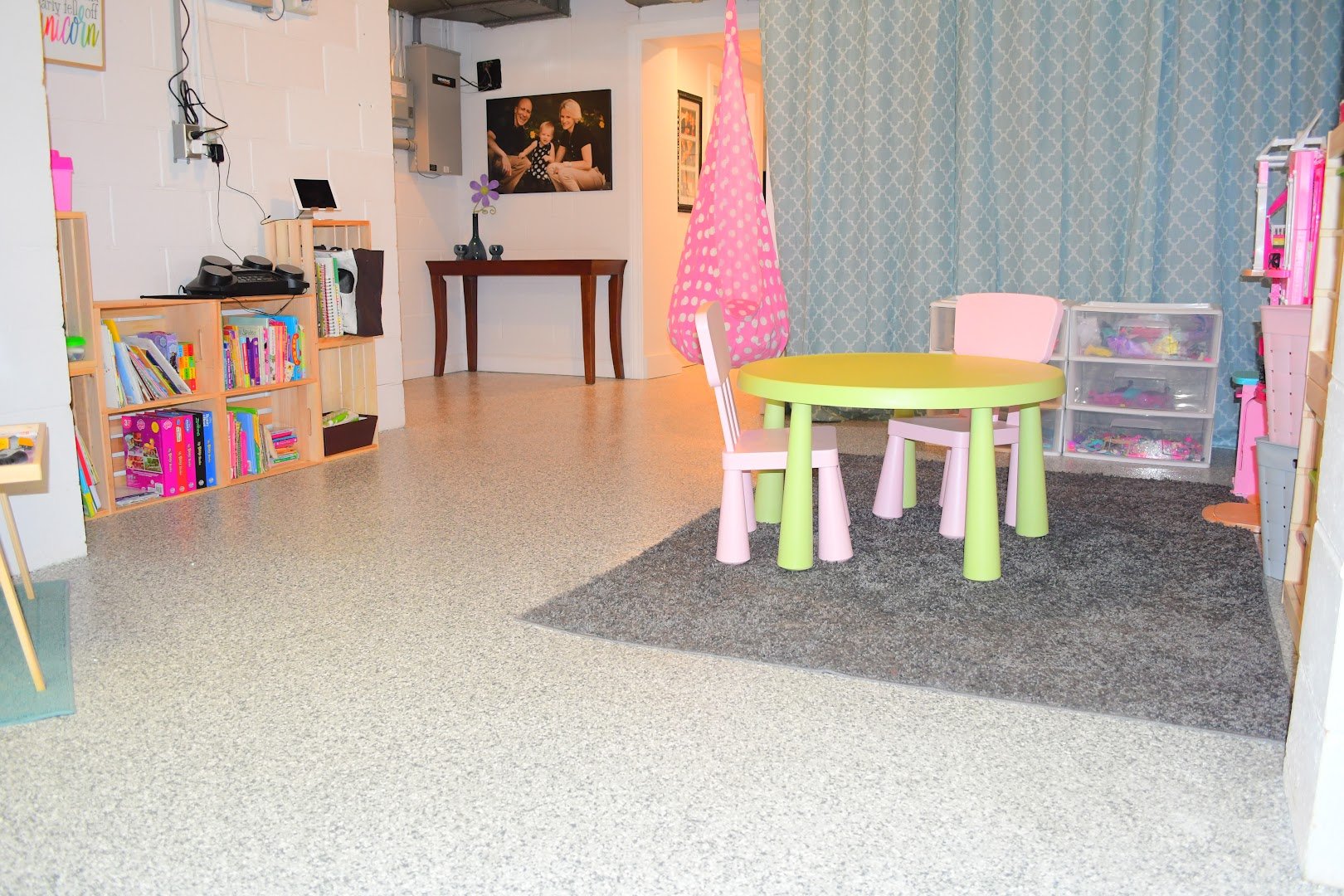
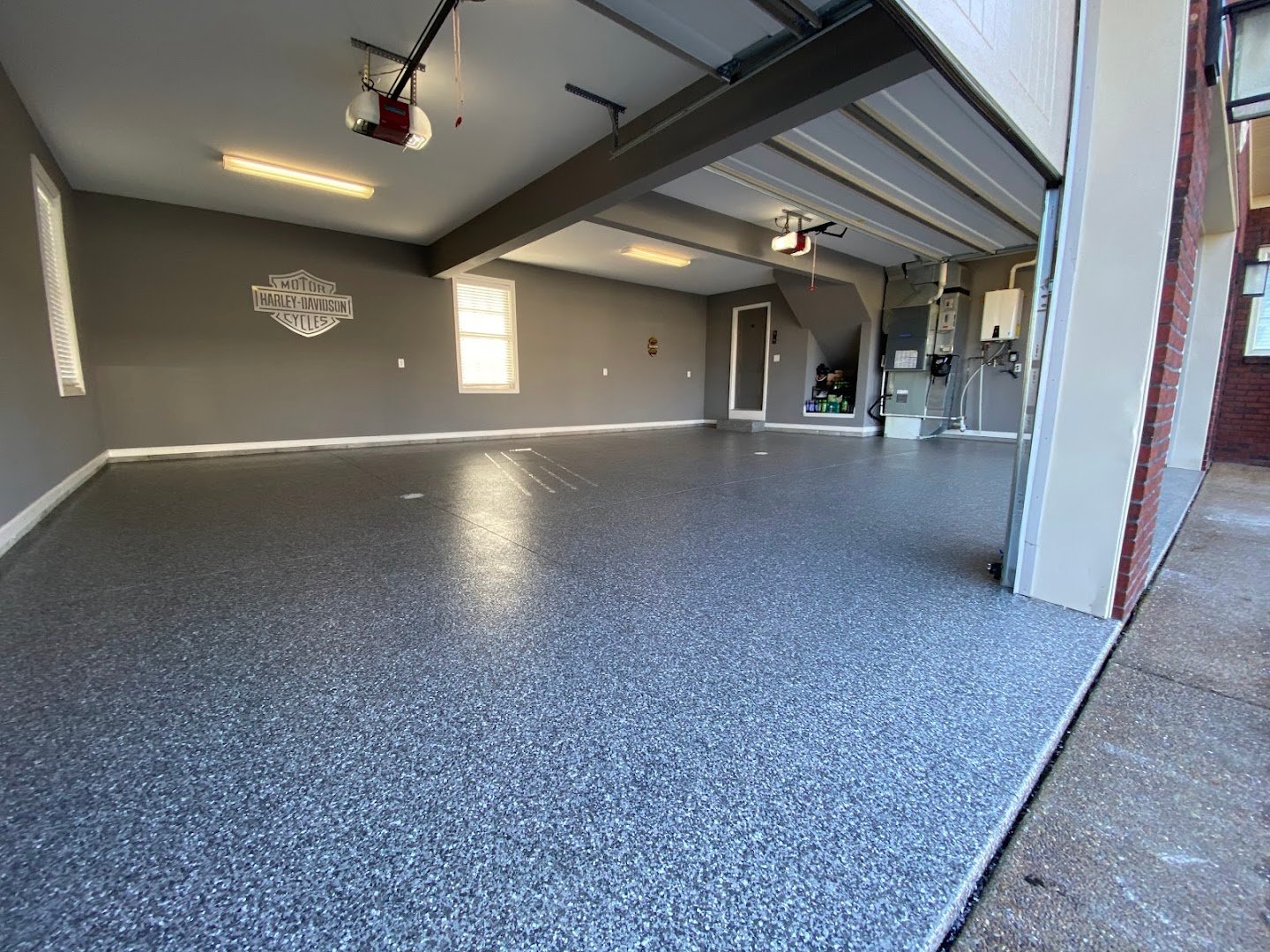
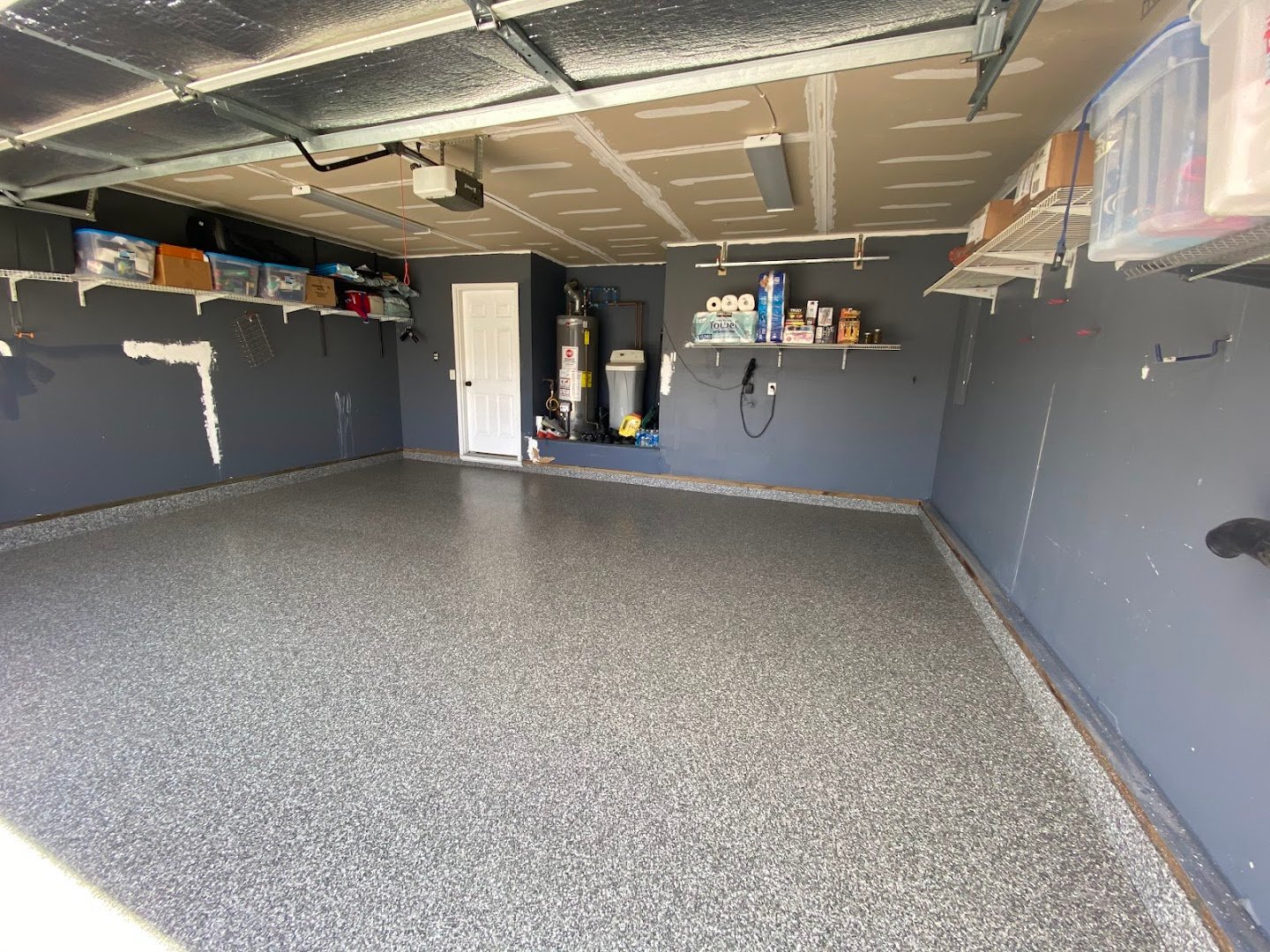
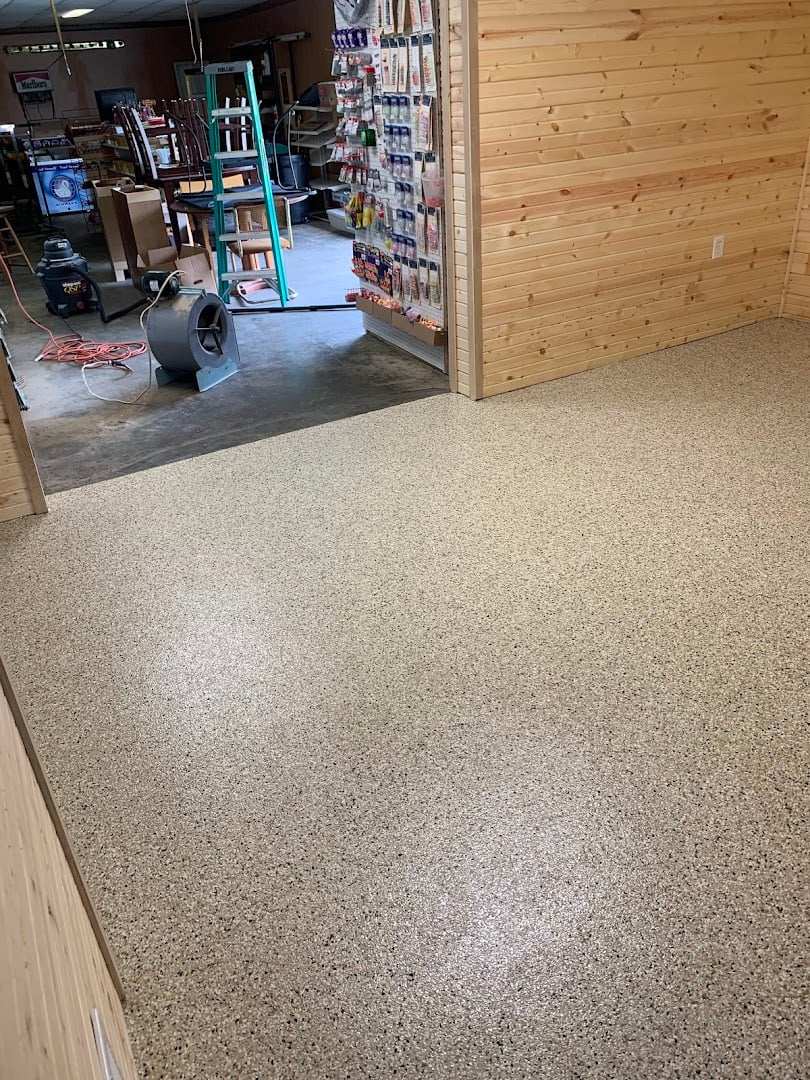
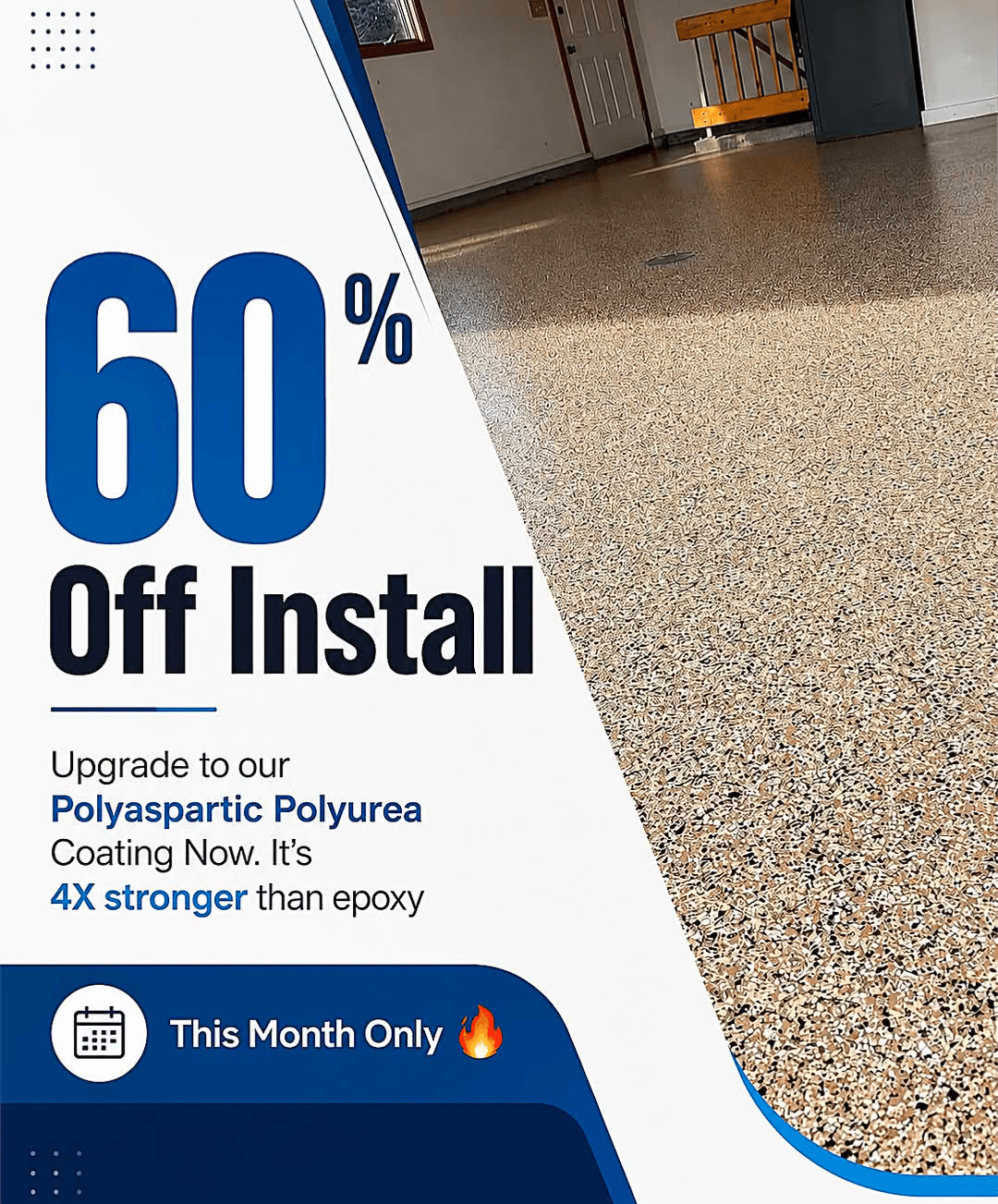
- Custom Coatings and Finishes: High-performance coatings, such as polyurea and polyaspartic systems, not only provide superior protection but also come in a vast range of colors, textures, and decorative flake blends. These coatings can create a seamless, vibrant surface that is both stunning and incredibly durable. You can choose from solid colors, subtle speckles, or even intricate patterns to match your home's exterior.
- Aggregate Finishes: Exposed aggregate finishes reveal the natural beauty of small stones, pebbles, or crushed glass embedded in the concrete. This creates a textured, visually interesting surface that is also slip-resistant.
- Border and Edging Details: Even simple additions like decorative borders, contrasting colors for edges, or integrated lighting can significantly elevate your driveway's aesthetic.
The key is to choose a style that complements your home's architecture and landscaping. With the right decorative elements, your driveway can become a true extension of your home's curb appeal. ICON Concrete Coatings specializes in helping homeowners select and apply the perfect decorative solutions to achieve a truly stunning and lasting finish.
What is the best coating for a driveway?
When considering the "best" coating for a driveway, several factors come into play, including durability, UV resistance, flexibility, aesthetic options, and maintenance. While various coatings exist, modern polyurea and polyaspartic systems generally stand out as superior choices for driveway applications, especially when compared to traditional epoxy or acrylic options.
- Polyurea and Polyaspartic Coatings: These represent the pinnacle of concrete coating technology for outdoor use. They are incredibly durable, offering exceptional resistance to abrasions, chemicals, hot tires, and heavy traffic. Crucially for driveways, they are highly UV stable, meaning they won't yellow, fade, or chalk when exposed to sunlight, unlike many epoxy systems. Their flexibility allows them to better withstand the expansion and contraction of concrete due to temperature changes, reducing the risk of cracking. They also cure much faster, often allowing for vehicle traffic within 24 hours, minimizing disruption.
- Epoxy Coatings: While excellent for garages and interior spaces, traditional epoxy can have drawbacks for outdoor driveways. Its primary weakness is UV instability, which can lead to yellowing and degradation over time when exposed to direct sunlight. Epoxy is also harder and less flexible than polyurea/polyaspartic, making it more prone to cracking if the concrete substrate shifts or experiences significant temperature fluctuations.
- Acrylic Sealers: These are generally more affordable and easier to apply but offer less protection and durability than other options. They require more frequent reapplication and are primarily used for enhancing color and providing basic stain resistance rather than heavy-duty wear.
For a long-lasting, beautiful, and high-performance driveway, polyurea and polyaspartic coatings are typically the recommended choice. They offer the best balance of aesthetic versatility, extreme durability, and resistance to the harsh outdoor elements that driveways face daily. ICON Concrete Coatings utilizes these advanced systems to ensure your driveway not only looks fantastic but also withstands the test of time and traffic.
Can you put decorative concrete over existing concrete?
Yes, absolutely! One of the most significant advantages of decorative concrete solutions is the ability to apply them over existing concrete surfaces. This process is commonly known as concrete resurfacing or overlaying, and it's a cost-effective way to revitalize an old, worn, or plain concrete driveway without the expense and disruption of full demolition and replacement.
However, there are critical prerequisites for a successful overlay:
- Structural Integrity: The existing concrete must be structurally sound. While minor cracks and imperfections can be repaired, severely damaged, crumbling, or unstable concrete is not a suitable base for an overlay. The overlay will only be as good as the substrate it's adhering to.
- Surface Preparation: Proper preparation is paramount. This typically involves thorough cleaning to remove dirt, oil, grease, and any existing sealers or coatings. Grinding or shot blasting may be necessary to create a profile that allows the new overlay to bond securely. Any cracks, spalling, or uneven areas must be meticulously repaired and leveled before the overlay is applied.
- Application of Overlay: Once the surface is prepared, a polymer-modified cementitious overlay is applied. These overlays are specially formulated to bond strongly to existing concrete and can be applied in various thicknesses, depending on the desired finish.
- Decorative Finishes: After the overlay is applied, it can be customized with a wide range of decorative techniques. This includes stamping to mimic brick, stone, or tile; coloring with stains or dyes; texturing for slip resistance and visual interest; or incorporating decorative flakes for a unique speckled appearance.
By using decorative concrete overlays, you can achieve a completely new look for your driveway, patio, or walkway, transforming it into a beautiful and durable surface that enhances your home's curb appeal. It's an excellent solution for updating your exterior without the hassle of a full tear-out.
What are the cons of epoxy driveways?
While epoxy coatings are highly popular and effective for many concrete surfaces, particularly in garages, they do present several notable disadvantages when used for outdoor driveways. Understanding these cons is crucial for making an informed decision about the best coating for your specific needs:
- UV Instability (Yellowing and Chalking): This is arguably the biggest drawback for outdoor epoxy applications. Most standard epoxy formulations are not UV stable. Prolonged exposure to direct sunlight causes them to yellow, fade, and eventually chalk or become brittle. This significantly degrades the aesthetic appeal and protective qualities over time, making your driveway look old and worn prematurely.
- Lack of Flexibility: Epoxy cures to a very hard, rigid finish. While this offers excellent abrasion resistance, it also means epoxy is less flexible than other coatings like polyurea or polyaspartic. Concrete naturally expands and contracts with temperature fluctuations. A rigid epoxy coating is more prone to cracking or delaminating from the substrate when the concrete underneath moves, especially in climates with significant temperature swings.
- Longer Cure Times: Traditional epoxy systems often require longer cure times, sometimes taking several days before they can withstand vehicle traffic. This can be a significant inconvenience for a driveway, as it means restricting access to your home for an extended period.
- Slippery When Wet: Without specific anti-slip additives, epoxy surfaces can become quite slippery when wet, posing a safety hazard, especially on a sloped driveway. While additives can mitigate this, it's an additional consideration.
- Sensitivity to Moisture Vapor: Epoxy can be sensitive to moisture vapor transmission from the concrete slab. If there's excessive moisture coming up through the concrete, it can lead to bubbling, blistering, or delamination of the epoxy coating. Proper moisture testing and mitigation are essential, adding complexity to the installation.
Due to these factors, particularly UV instability and lack of flexibility, many experts and reputable concrete coating companies, including ICON Concrete Coatings, often recommend advanced polyurea and polyaspartic systems as superior alternatives for outdoor driveway applications where durability and long-term aesthetic appeal are paramount.
Ready to transform your driveway into a beautiful, durable, and welcoming entrance to your home? Whether you're interested in a subtle stain, a custom pattern, or a high-performance coating, our team of experts is here to help.
Contact us today for a free quote and consultation. Let ICON Concrete Coatings show you how we can bring your vision to life with the best concrete coating solutions available in Indiana and Kentucky.