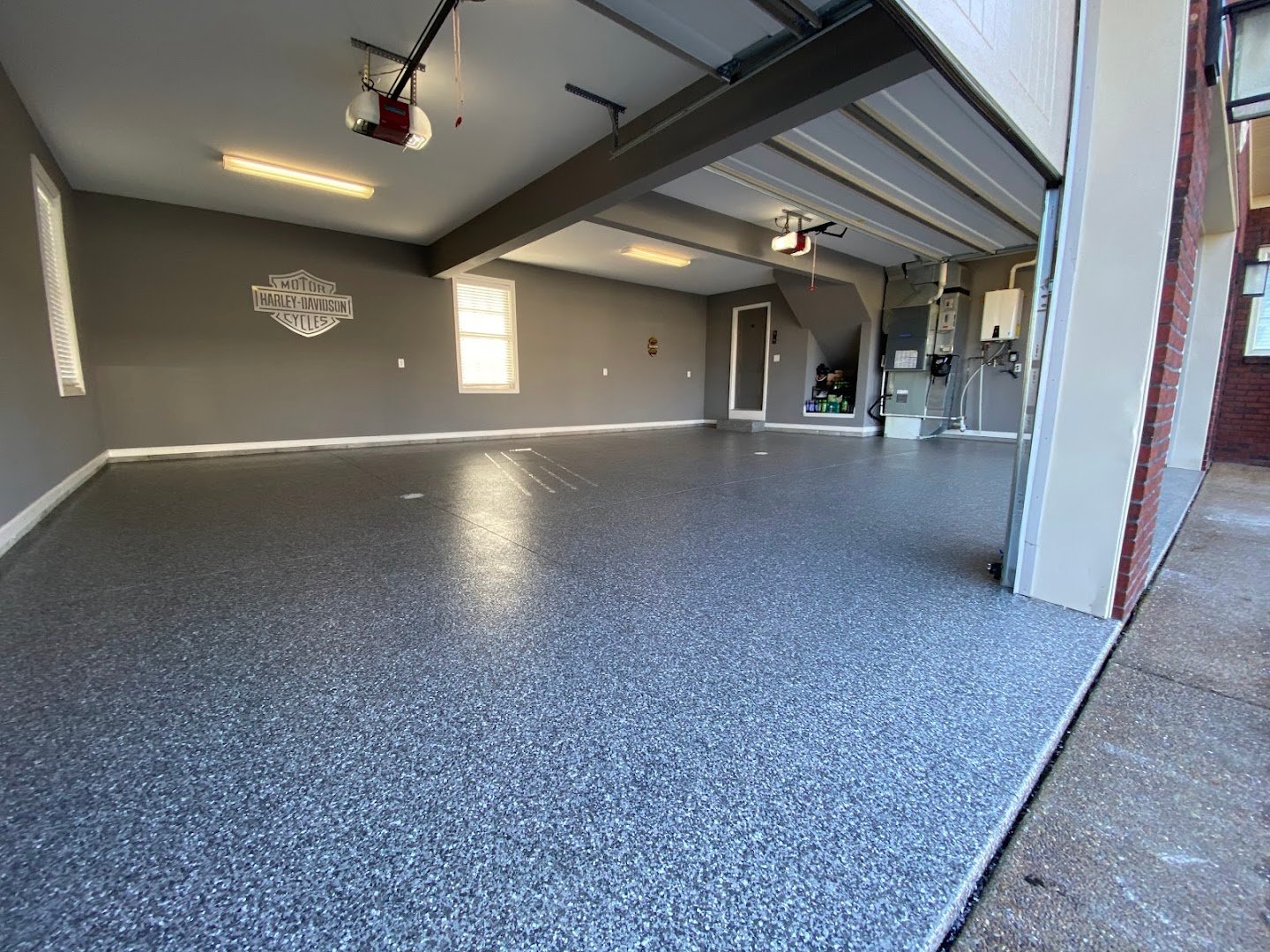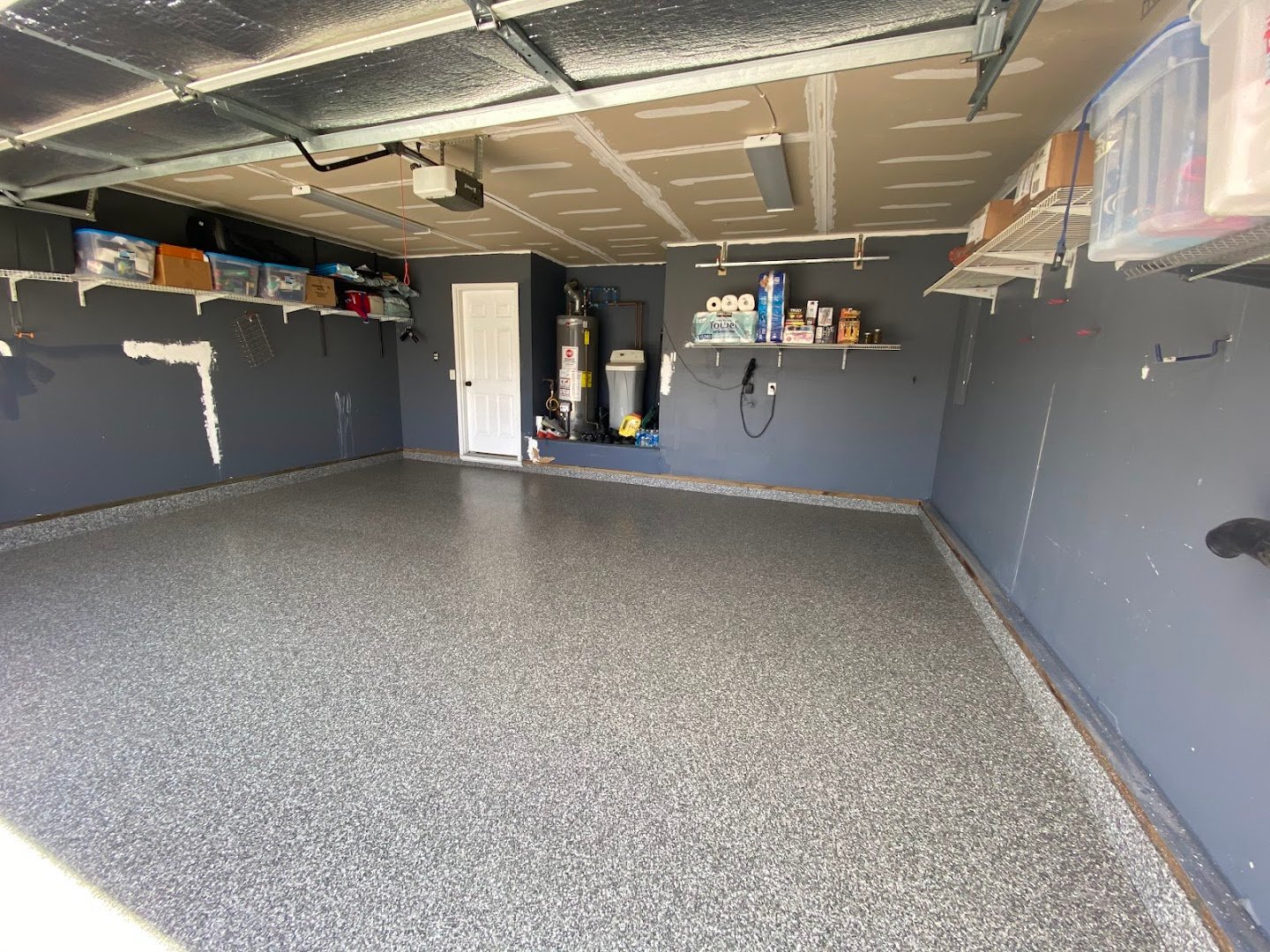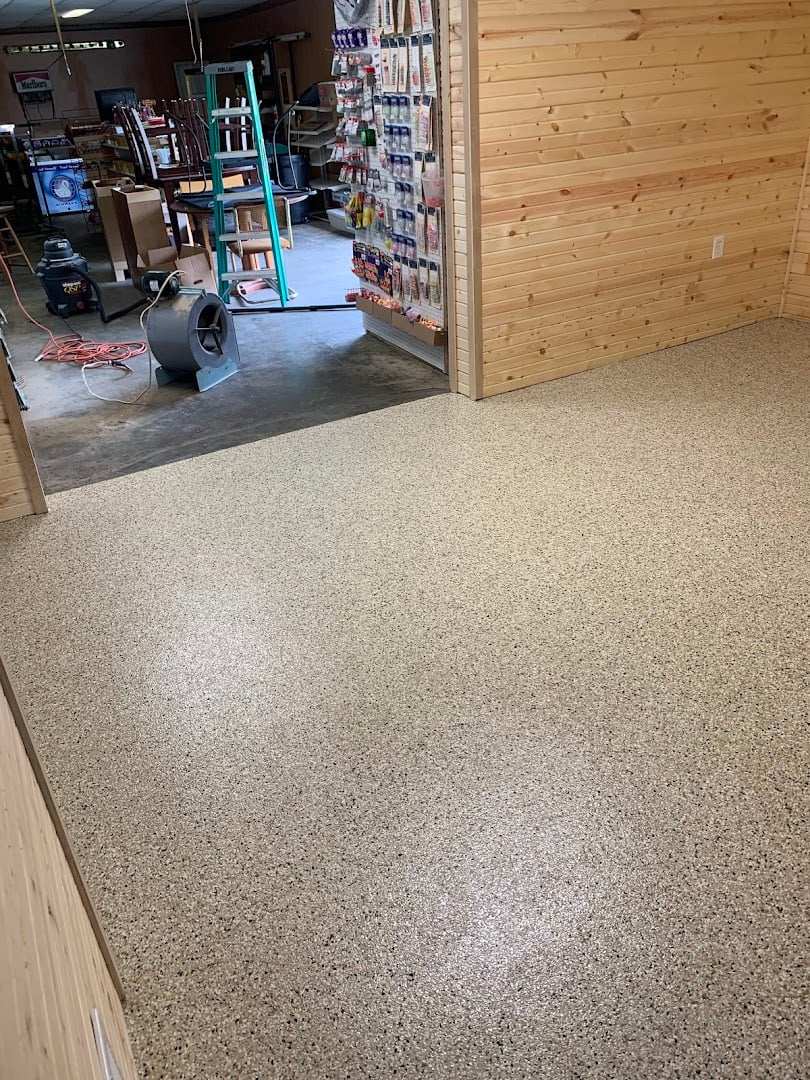
Tackling home improvement projects can be incredibly rewarding, and preparing your driveway for a fresh coating is no exception. Many homeowners in Indiana and Kentucky consider taking on the task of diy driveway coating prep themselves, aiming for a beautiful, durable surface that enhances their home's curb appeal. But before you jump in, it's essential to understand the nuances of the process.
This comprehensive Q&A post is designed to equip you with the knowledge you need, answering common questions about driveway sealing, optimal timing, and the crucial steps involved in proper preparation. We're here to provide helpful, expert insights to ensure your DIY efforts are well-informed and set up for success, whether you choose to do it yourself or opt for professional assistance.
Can you seal coat a driveway by yourself?
Yes, technically, you can seal coat a driveway by yourself. Many home improvement stores sell driveway sealers and the necessary tools for DIY application. For smaller, simpler driveways with minimal damage, a homeowner with a good understanding of the process and a willingness to put in the effort can achieve a decent result. The process typically involves cleaning, repairing minor cracks, and then applying the sealer with a squeegee or roller.
However, it's important to understand that achieving a professional-grade, long-lasting finish requires more than just applying a product. Factors like proper surface preparation, choosing the right type of sealer for your specific concrete, understanding application techniques, and ensuring adequate curing conditions are critical. Mistakes in any of these areas can lead to uneven application, poor adhesion, premature peeling, or a shorter lifespan for the coating. For larger driveways, those with significant damage, or if you're looking for a truly durable and aesthetically superior finish, professional services from companies like ICON Concrete Coatings often provide a more reliable and satisfying outcome, backed by expertise and specialized equipment.
Is October too late to seal a driveway?
Whether October is too late to seal a driveway largely depends on your specific location and the prevailing weather conditions. The key factors for successful driveway sealing are temperature and moisture. Most sealers require ambient air and surface temperatures to be consistently above 50°F (10°C) for at least 24-48 hours after application to cure properly. They also need several hours of dry weather after application to set before any rain or heavy dew.
In many parts of Indiana and Kentucky, October can be a transitional month. Early October might still offer suitable conditions with warm, dry days. However, as the month progresses, temperatures tend to drop, and the risk of frost or prolonged cool, damp periods increases significantly. Applying sealer in conditions that are too cold or humid can lead to poor adhesion, slow curing, a patchy appearance, and reduced durability. It's always best to check the weather forecast carefully for at least a 2-3 day window of ideal conditions. If temperatures are consistently dipping below the recommended threshold, or if there's a high chance of rain, it's generally advisable to postpone sealing until spring to ensure the best possible results.
How to prep a driveway for seal coating?
Proper diy driveway coating prep is the most critical step for a successful and long-lasting seal coat. Skipping or rushing these stages will almost certainly lead to premature failure of your coating. Here's a detailed breakdown of how to prepare your driveway:
- Clean Thoroughly: Start by removing all loose debris, dirt, leaves, and rocks. A leaf blower or broom works well. Then, power wash the entire driveway to remove embedded dirt, grime, oil stains, and any existing loose sealer. For stubborn oil or grease spots, use a degreaser specifically designed for concrete. Rinse thoroughly until all cleaning solutions are gone.
- Address Weeds and Grass: Pull any weeds or grass growing in cracks or along the edges of your driveway. Ensure the roots are removed to prevent regrowth.
- Repair Cracks and Potholes: This is crucial. Fill all cracks with a suitable crack filler and repair any potholes with a concrete patching compound. Allow these repairs ample time to cure according to the manufacturer's instructions, which can sometimes be several days.
- Edge and Protect: Use painter's tape and plastic sheeting to protect adjacent surfaces like garage doors, house foundations, landscaping, and sidewalks from accidental sealer application.
- Ensure Dryness: The driveway must be completely dry before applying any sealer. Moisture trapped beneath the sealer can cause bubbling, poor adhesion, and premature peeling. Allow at least 24-48 hours of dry weather after cleaning, or longer if conditions are humid.
- Consider Etching (Optional but Recommended): For very smooth or new concrete, an acid etch or concrete cleaner with etching properties can help open up the pores of the concrete, creating a better surface for the sealer to bond to. Always follow product instructions carefully and wear appropriate safety gear.
By meticulously following these steps, you'll create an optimal surface for your seal coat, significantly increasing its lifespan and appearance.
How much will a 5 gallon bucket of driveway sealer cover?
The coverage rate of a 5-gallon bucket of driveway sealer can vary significantly based on several factors, so it's challenging to give a precise number without knowing the specifics of your driveway and the product you're using. Generally, a 5-gallon bucket might cover anywhere from 200 to 500 square feet per coat. However, this is a broad estimate.
Key factors influencing coverage include:
- Type of Sealer: Different formulations (e.g., acrylic, epoxy, penetrating) have varying viscosity and spread rates. Always check the manufacturer's specifications on the product label.
- Surface Porosity: Older, more porous concrete will absorb more sealer, resulting in lower coverage. Newer, smoother, or previously sealed concrete will be less absorbent, yielding higher coverage.
- Application Method: Spraying typically uses less material than rolling or squeegeeing, but can be more prone to overspray.
- Number of Coats: Most driveways benefit from two thin coats rather than one thick coat. The first coat will often cover less area as the concrete absorbs more, while the second coat will typically go further.
- Dilution: Some sealers can be diluted, which will affect coverage, but always follow manufacturer guidelines.
To get the most accurate estimate, measure your driveway's square footage and then refer to the coverage rate provided on the specific sealer product you plan to use. It's always better to slightly overestimate your needs to avoid running out mid-project.
While understanding the intricacies of diy driveway coating prep is valuable, sometimes the best solution for a long-lasting, beautiful driveway is professional expertise. If you're in Indiana or Kentucky and prefer to leave the hard work to the experts, ICON Concrete Coatings is here to help.
We specialize in durable, high-quality concrete coatings for driveways and more, ensuring a flawless finish without the hassle. Get a free quote today and discover the difference professional application can make for your home!