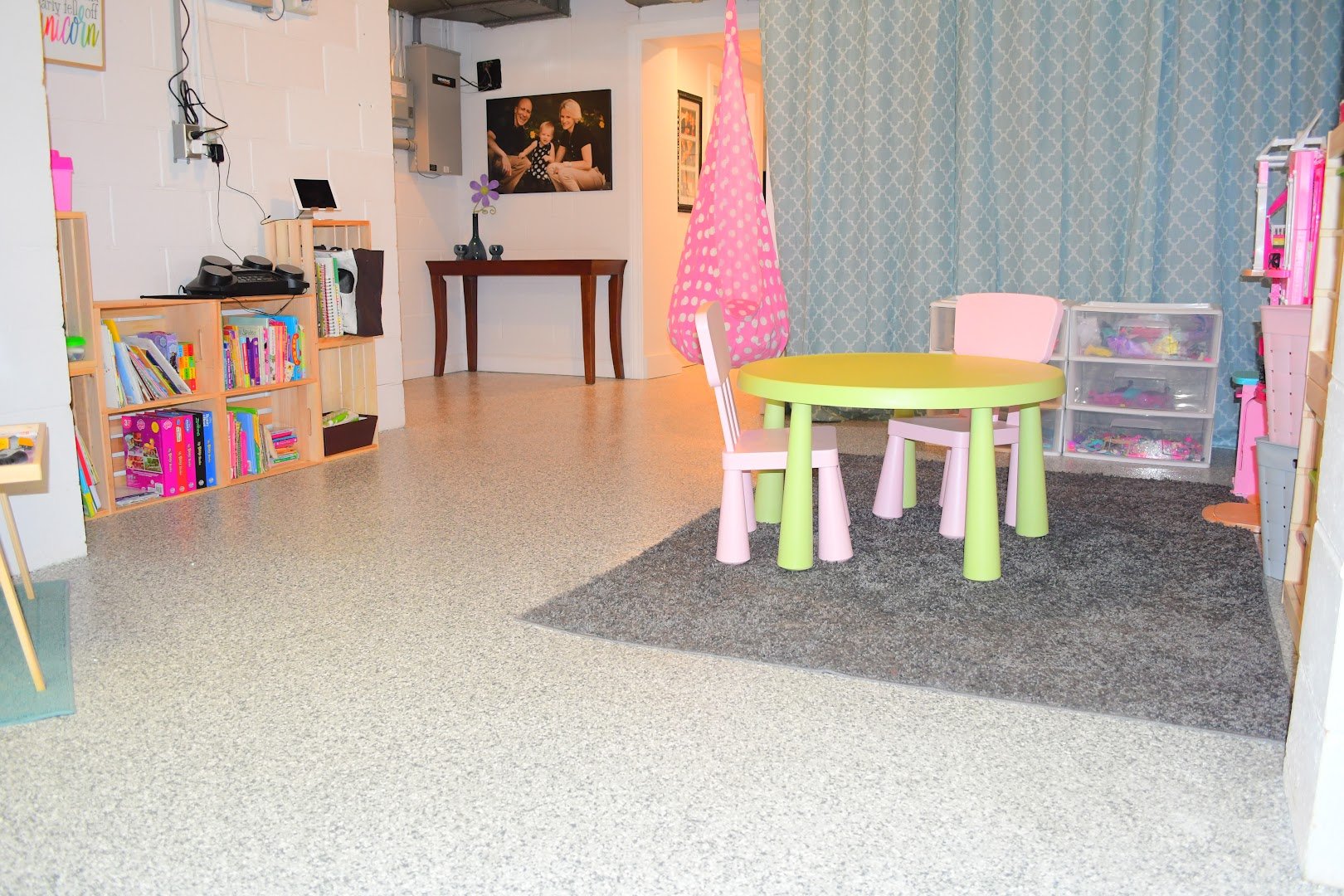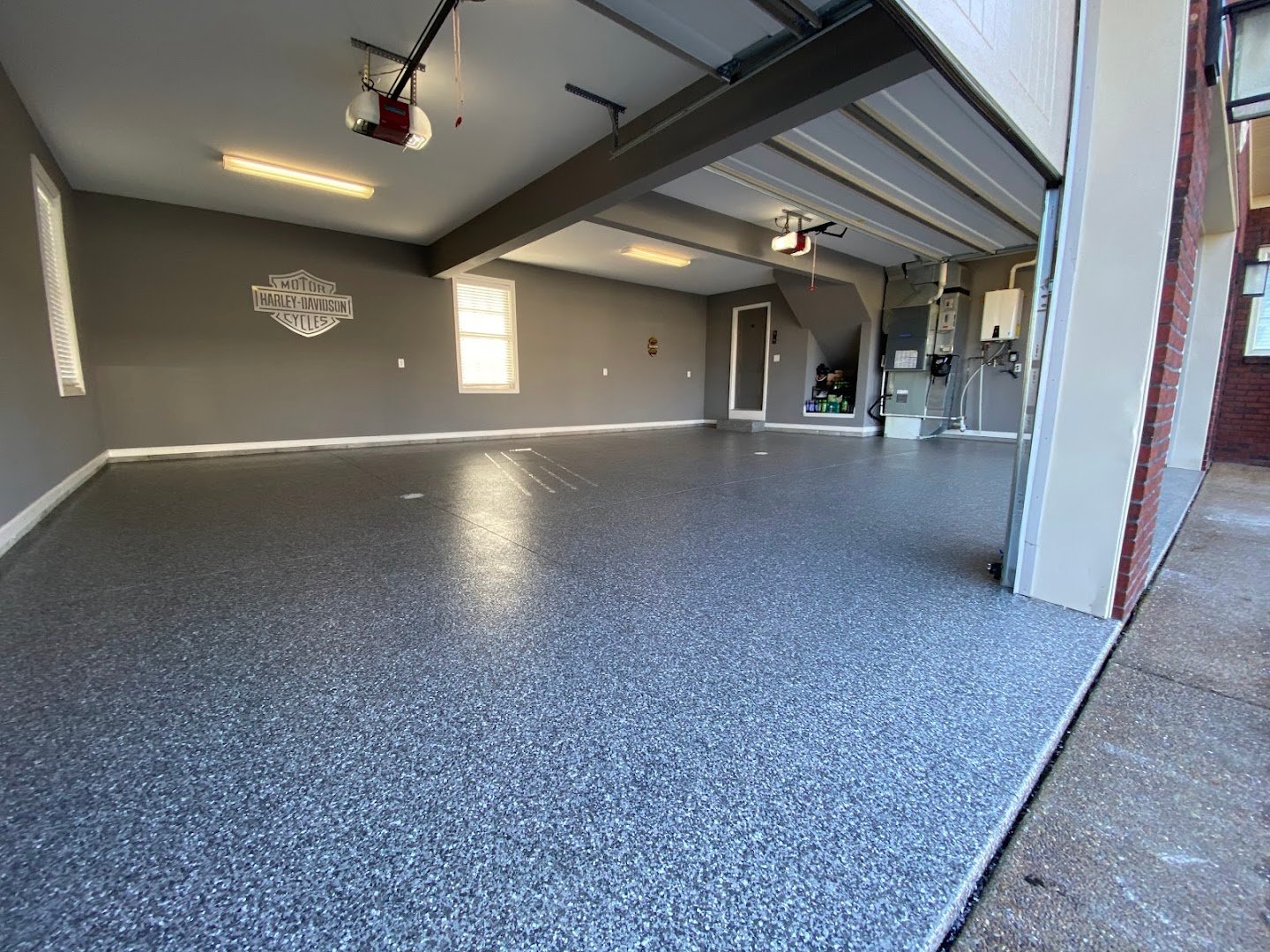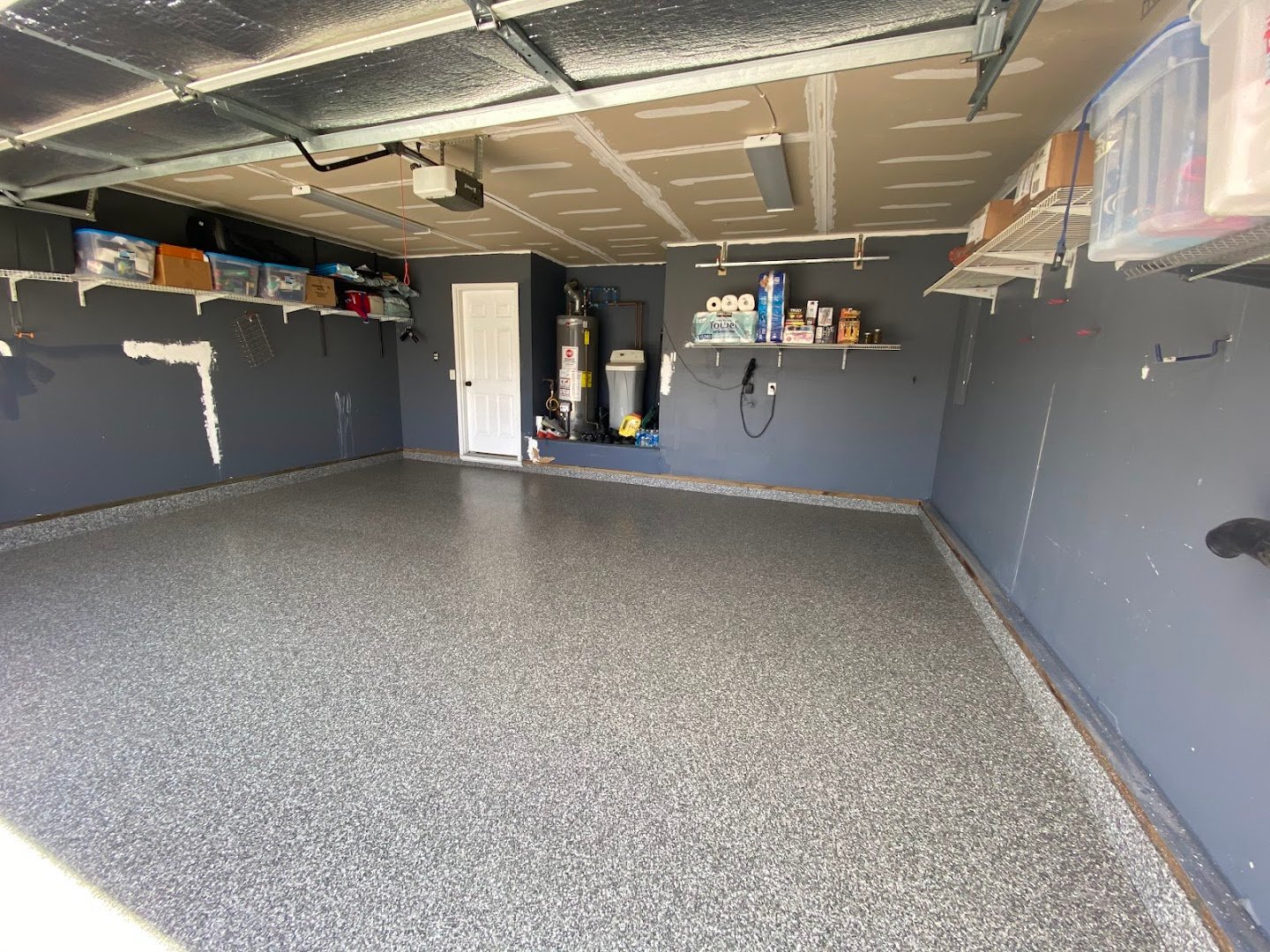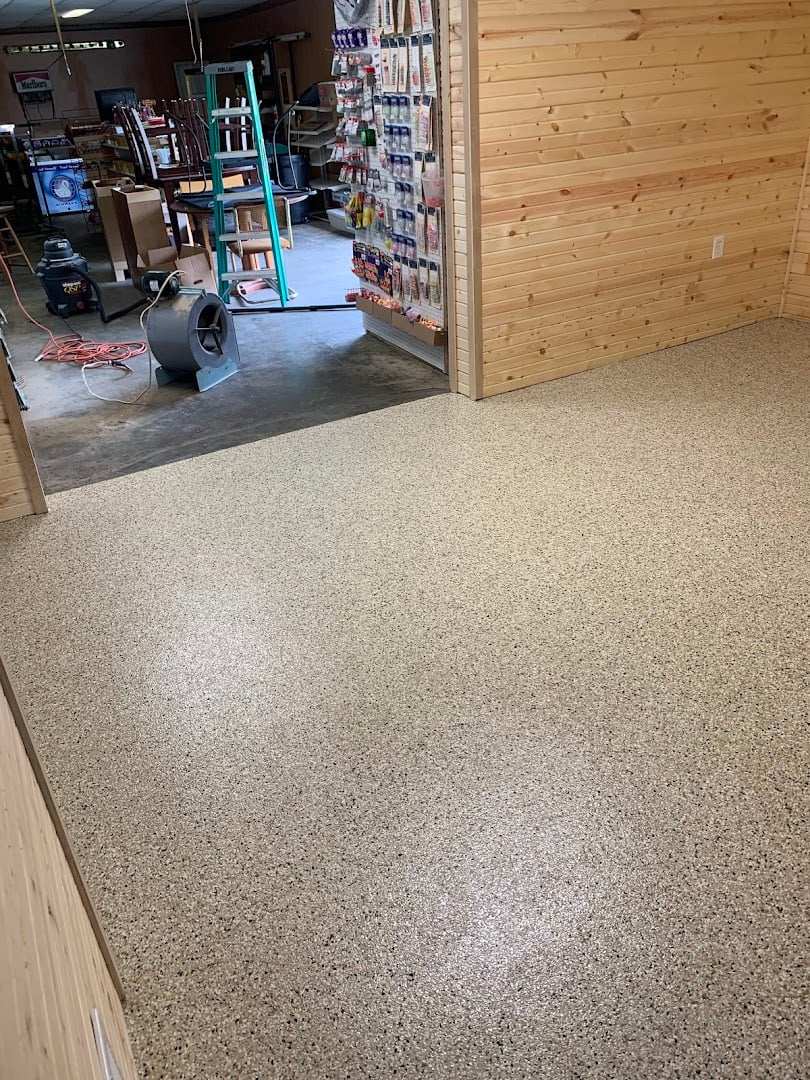
Your basement is more than just extra space; it's a critical part of your home's foundation and can significantly impact your indoor environment. Many homeowners considering a basement floor coating are rightfully concerned about its effect on air quality. Questions about fumes, potential health impacts, and how a coating might improve or worsen the air are common. At ICON Concrete Coatings, we believe in providing clear, expert answers to help you make informed decisions about your home. A properly installed, high-quality basement floor coating can play a vital role in creating a healthier, more comfortable living space.
This comprehensive Q&A post addresses your most pressing questions about basement floor coating air quality, drawing on our expertise to guide you through common concerns and effective solutions. Understanding these factors is key to ensuring your basement renovation contributes positively to your home's overall well-being, whether you're in Indiana or Kentucky.
How long do epoxy floor fumes last?
The duration of fumes from an epoxy floor coating largely depends on several factors, including the type of epoxy used, the ventilation in the area, and the temperature and humidity during application and curing. Generally, the strongest odors from professional-grade epoxy systems tend to dissipate within 24 to 72 hours after application. However, a faint smell might linger for up to a week or even slightly longer in poorly ventilated spaces.
High-quality, low-VOC (Volatile Organic Compound) epoxy products, like those used by ICON Concrete Coatings, are designed to minimize off-gassing and reduce the presence of strong fumes. These advanced formulations are a significant improvement over older, solvent-based systems or cheaper DIY kits, which can produce more persistent and potent odors. Proper ventilation is absolutely crucial during and immediately after the application process. We always recommend keeping windows and doors open, and using fans to circulate air, which helps accelerate the dissipation of any residual fumes.
It's important to allow the coating to fully cure according to the manufacturer's specifications before resuming normal use of the space. While the surface may feel dry to the touch relatively quickly, the full chemical curing process can take several days to a week. During this time, the coating is still off-gassing, albeit at a much lower level. Choosing a professional installer who uses premium, low-VOC materials and follows best practices for ventilation is the best way to ensure minimal fume exposure and a quicker return to a fresh-smelling basement.
Does epoxy floor stop radon?
Radon is a naturally occurring radioactive gas that can seep into homes through cracks in foundation walls and floors, gaps around pipes, and other openings in contact with the soil. It's odorless, colorless, and tasteless, making it undetectable without specialized testing. While an epoxy floor coating can act as a barrier to radon entry, it's important to understand that it is not a standalone radon mitigation system.
A professionally applied, high-quality epoxy coating creates a seamless, impermeable layer over your concrete slab. This layer significantly reduces the porosity of the concrete, thereby limiting the pathways through which radon gas can enter your basement from the soil below. By sealing micro-cracks and the general porous nature of concrete, an epoxy coating can certainly contribute to a reduction in radon levels within your home.
However, radon can still enter through other routes, such as sump pump openings, floor drains, or larger cracks that might not be fully addressed by a surface coating alone. For homes with elevated radon levels, a comprehensive radon mitigation system, typically involving a sub-slab depressurization system, is the recommended solution. This system actively draws radon from beneath the foundation and vents it safely outside. An epoxy floor coating can be a valuable component of a multi-pronged approach to radon reduction, working in conjunction with professional mitigation systems to enhance their effectiveness. Always start with radon testing to understand your home's specific needs.
Does sealing a basement floor reduce humidity?
Yes, sealing a basement floor can significantly contribute to reducing humidity levels in your basement. Concrete is a porous material, and even if it appears dry, it can wick moisture from the ground below through a process called capillary action. This moisture then evaporates into the basement air, contributing to high humidity, musty odors, and a damp environment that can foster mold and mildew growth.
A high-quality concrete coating, such as an epoxy or polyaspartic system, acts as a robust vapor barrier. By creating a non-porous, impermeable surface, it effectively blocks moisture from migrating up through the concrete slab and into your living space. This direct reduction in moisture transmission from the ground is a primary way a sealed floor lowers overall basement humidity.
While a sealed floor is a powerful tool in humidity control, it's important to remember that it's often part of a larger solution. Other sources of basement humidity can include leaks, condensation on cold pipes, or even humid air entering from outside. Therefore, combining a sealed floor with good ventilation, a dehumidifier, and addressing any potential leaks will provide the most comprehensive and effective approach to maintaining a dry, comfortable, and healthy basement environment. ICON Concrete Coatings specializes in installing these protective barriers that not only look great but also enhance your home's moisture management.
How to fix air quality in basement?
Improving air quality in your basement often requires a multi-faceted approach, as basements are prone to unique air quality challenges due to their below-grade location. Here's how to tackle it:
- Control Moisture: This is paramount. High humidity is the leading cause of poor basement air quality, fostering mold, mildew, and musty odors. A high-quality basement floor coating is an excellent first step, acting as a vapor barrier to prevent ground moisture from entering. Supplement this with a dehumidifier to maintain relative humidity between 30-50%. Address any leaks from pipes, foundation cracks, or windows immediately.
- Enhance Ventilation: Basements often lack natural airflow. Introduce fresh air by opening windows on dry days, using exhaust fans, or installing an air exchanger. This helps remove stale air, odors, and airborne pollutants.
- Clean and Remove Contaminants: Regularly clean your basement to remove dust, allergens, and potential mold spores. Use a HEPA-filtered vacuum. If mold is present, address it safely and thoroughly. Remove any water-damaged materials that cannot be fully dried and cleaned.
- Seal and Insulate: Beyond floor coatings, seal any cracks in walls and around utility penetrations to prevent outdoor pollutants and soil gases (like radon) from entering. Proper insulation can also help regulate temperature and reduce condensation.
- Air Purification: Consider a portable or whole-home air purifier with a HEPA filter and activated carbon to remove particulate matter, allergens, and odors.
By systematically addressing these areas, starting with a foundational solution like a professional concrete coating, you can significantly improve your basement's air quality, making it a healthier and more enjoyable part of your home.
Ready to improve your basement's air quality and transform its look? Contact ICON Concrete Coatings today for a free quote. Our experts in Indiana and Kentucky are here to help you choose the best concrete coating solution for a healthier, more comfortable home.