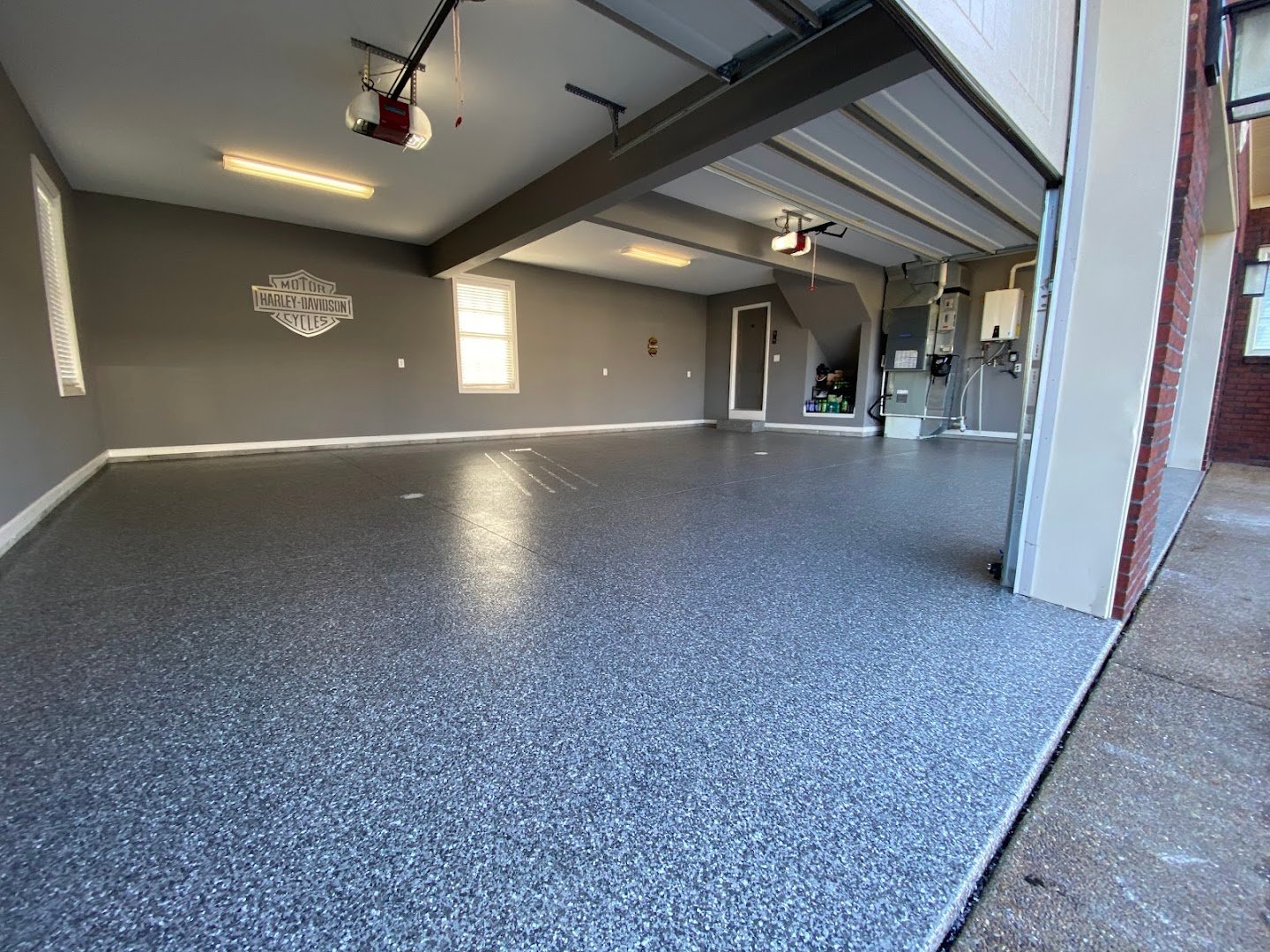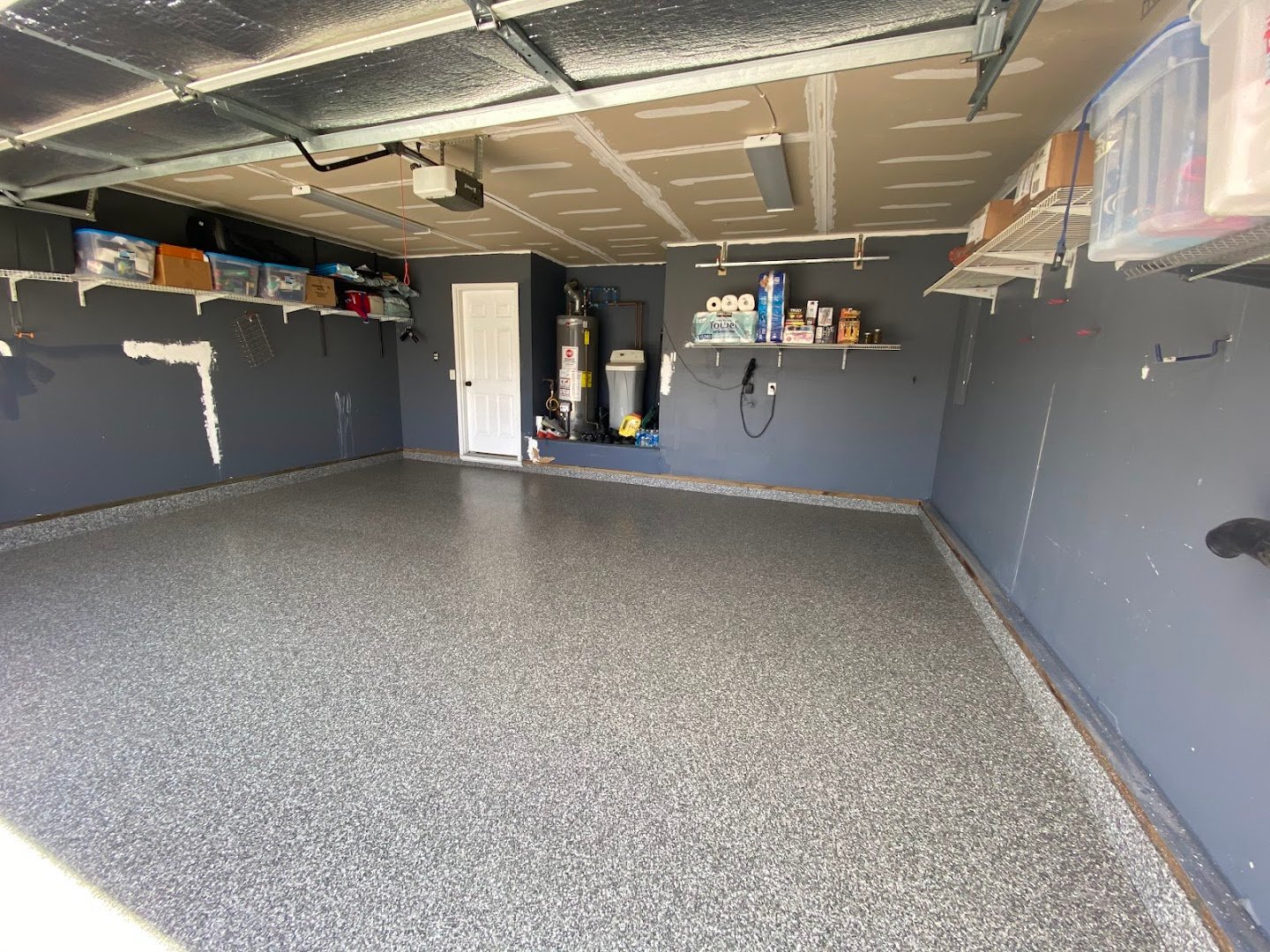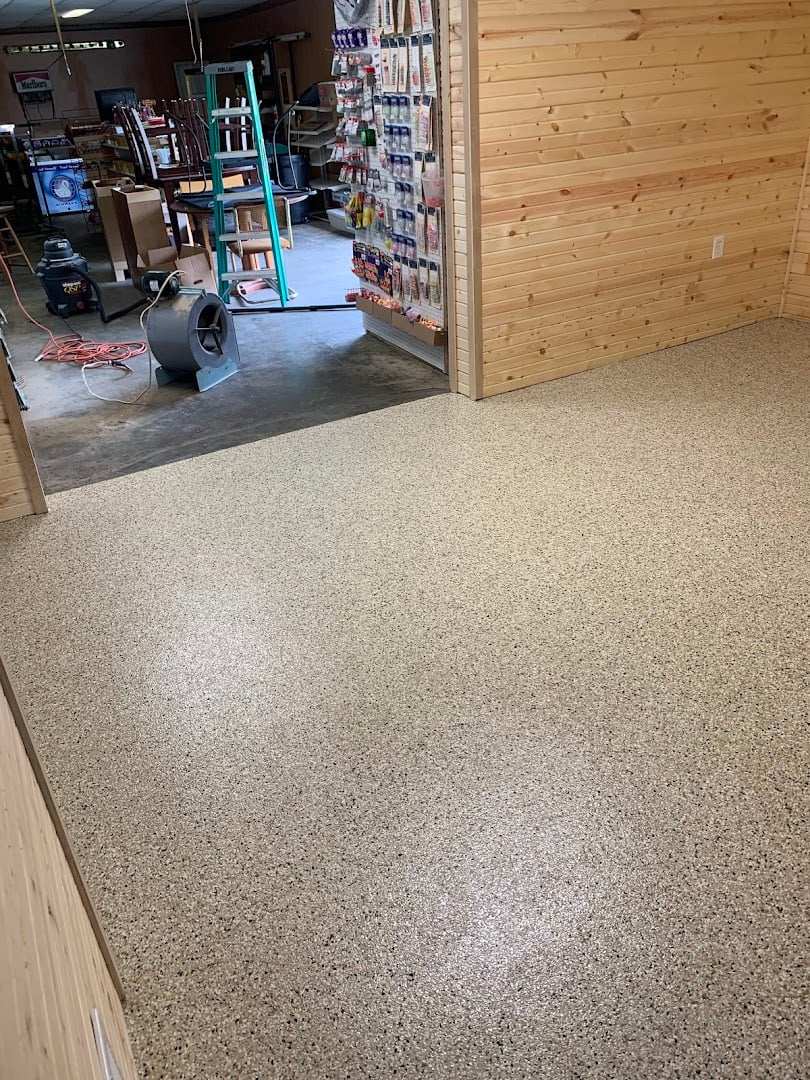
Your garage floor takes a beating, from heavy vehicles to dropped tools and, inevitably, oil spills. When considering a new garage floor coating, one of the most critical factors for many homeowners is its ability to withstand these common automotive fluids. Understanding the nuances of garage floor coating oil resistance is key to choosing a system that will protect your investment and maintain its appearance for years to come.
This comprehensive Q&A post dives deep into the most common questions homeowners have about coatings like epoxy, polyurea, and polycuramine, specifically focusing on how they stand up to oil. We'll explore their strengths and weaknesses, helping you make an informed decision about the best protection for your garage. Let's uncover the facts and ensure your garage floor remains pristine, no matter what spills come its way.
Are epoxy floors oil resistant?
Epoxy coatings offer a good initial level of oil resistance. They are non-porous when properly applied, which prevents oil from immediately soaking into the concrete below. This means spills can be wiped up without leaving a stain, provided they are addressed promptly.
However, "resistant" doesn't always mean "impervious." The degree of oil resistance in an epoxy floor can vary significantly based on the quality of the epoxy, the specific formulation, and whether a protective topcoat is applied. Standard, lower-grade epoxies might show signs of degradation or staining if oil or other automotive fluids are left on them for extended periods. Certain chemicals within engine oil, brake fluid, or transmission fluid can, over time, soften or or discolor some epoxy formulations, leading to permanent marks or even damage.
For garages where oil spills are a frequent occurrence, or where fluids might sit for longer, relying solely on a basic epoxy system might not provide the long-term protection you desire. While a quality epoxy base coat with a high-performance clear topcoat can significantly enhance its resistance, there are other coating options that offer superior chemical and oil resistance from the outset. It's crucial to consider the expected use of your garage and the types of spills it will encounter when evaluating epoxy's suitability for your needs.
What is the most durable coating for a garage floor?
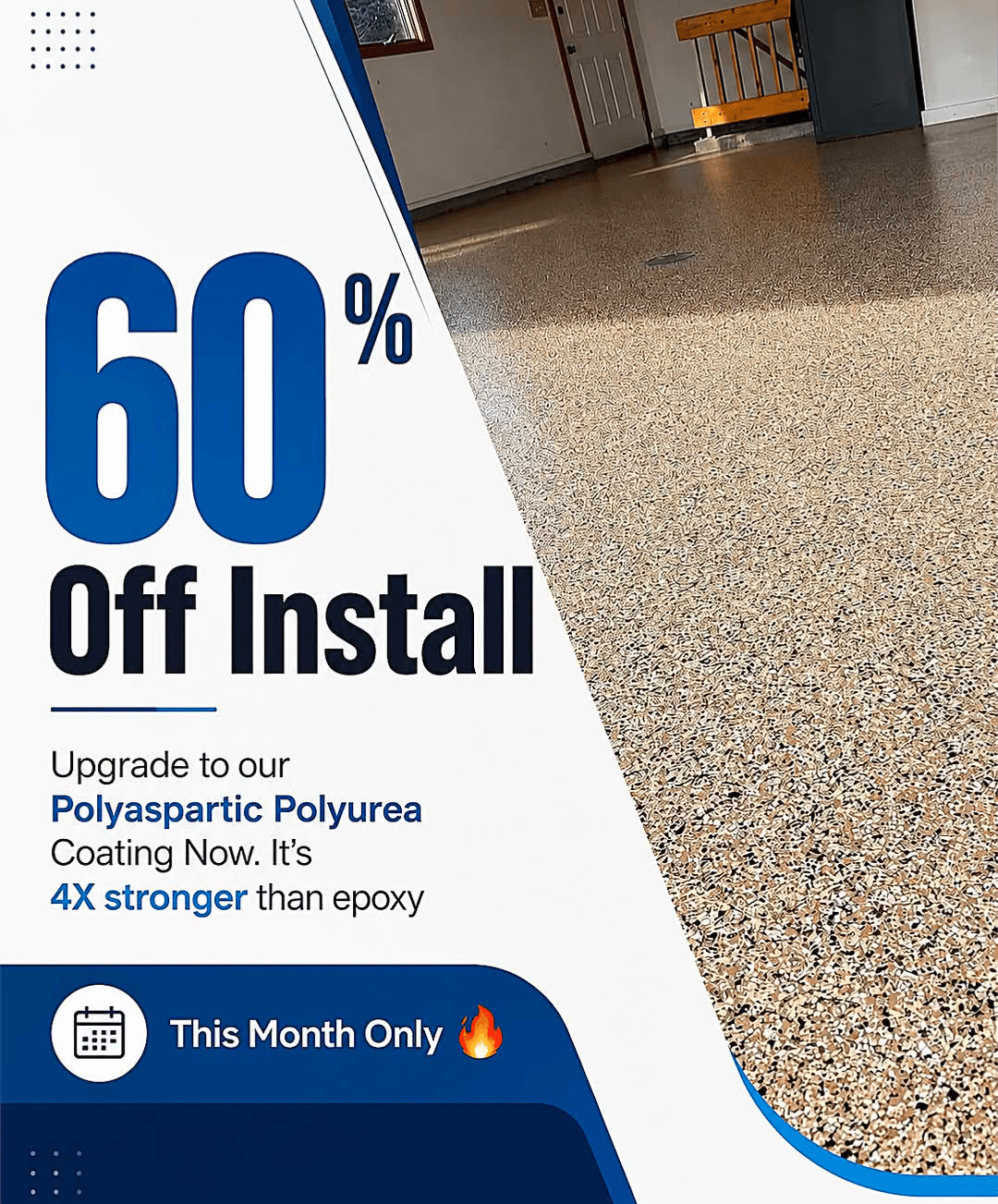
When it comes to sheer durability for a garage floor, high-performance polyurea and polyaspartic coatings generally stand out as the top contenders. While traditional epoxy offers good initial hardness, polyurea and polyaspartic systems, especially those installed by professionals like ICON Concrete Coatings, provide a superior combination of features that contribute to long-term resilience.
- Flexibility: Unlike epoxy, which can be rigid and brittle, polyurea and polyaspartic coatings are significantly more flexible. This allows them to absorb impacts from dropped tools or heavy items without cracking or chipping, and they can better withstand the natural expansion and contraction of concrete due to temperature changes.
- Abrasion Resistance: They boast exceptional resistance to abrasion, meaning they hold up better against the constant wear and tear from vehicle traffic, foot traffic, and dragging items across the floor.
- Chemical Resistance: As we'll discuss further, polyurea and polyaspartic coatings offer superior resistance to a wide range of chemicals, including oils, fuels, brake fluids, and other corrosive substances commonly found in garages. This prevents staining, etching, and degradation of the coating.
- UV Stability: Many epoxy coatings can yellow or chalk over time when exposed to sunlight. Polyurea and polyaspartic coatings are inherently UV stable, maintaining their color and finish even in garages with significant natural light exposure.
- Adhesion: When properly prepared and applied, these coatings form an incredibly strong bond with the concrete, preventing delamination and peeling.
While the initial investment for a polyurea or polyaspartic system might be higher than some DIY epoxy kits, their extended lifespan and superior performance often make them the most cost-effective and durable choice in the long run for demanding garage environments.
Is polyurea oil resistant?
Absolutely, polyurea coatings are renowned for their exceptional oil resistance, making them an excellent choice for garage floors where spills are a common concern. This superior resistance is one of the primary reasons why polyurea systems are often recommended over traditional epoxy for high-performance garage environments.
The key to polyurea's impressive oil resistance lies in its chemical composition and its non-porous, dense surface. Once cured, polyurea forms a seamless, impenetrable barrier that prevents oils, fuels, brake fluids, and other harsh automotive chemicals from penetrating the coating or reaching the concrete substrate beneath. This means that spills simply sit on the surface, allowing for easy cleanup without the risk of staining, etching, or degradation of the coating itself.
Unlike some epoxy formulations that can soften or discolor with prolonged exposure to certain chemicals, polyurea maintains its integrity and appearance even when exposed to aggressive substances. This makes it a highly reliable solution for workshops, car enthusiasts' garages, or any space where chemical spills are a regular occurrence.
Furthermore, the inherent flexibility of polyurea also contributes to its long-term resistance. It can better withstand thermal expansion and contraction, preventing the micro-cracks that could potentially allow chemicals to seep through in a more rigid coating. For homeowners seeking peace of mind and a floor that will stand up to the toughest garage conditions, polyurea's oil resistance is a significant advantage.
Is polycuramine better than epoxy?
The term "polycuramine" is often used to describe a hybrid coating product, typically a blend that incorporates elements of polyurea or polyaspartic technology with other resins. While it's not a standalone chemical class like "epoxy" or "polyurea," products marketed as polycuramine are generally formulated to offer enhanced performance characteristics compared to standard epoxy. Therefore, in most practical applications for a garage floor, a polycuramine product is indeed considered "better" than a basic epoxy coating.
Here's why polycuramine often outperforms traditional epoxy:
- Enhanced Durability: Polycuramine formulations typically offer superior resistance to abrasion, impact, and chipping compared to standard epoxy. This means a more resilient floor that can withstand the rigors of a busy garage.
- Flexibility: Like pure polyurea, polycuramine often has greater flexibility than epoxy, making it less prone to cracking from concrete movement or dropped objects.
- Faster Cure Times: Many polycuramine products boast significantly faster cure times than epoxy, allowing for quicker return to service – sometimes within 24 hours, compared to several days for epoxy.
- UV Stability: A major advantage is improved UV resistance. While many epoxies can yellow or chalk when exposed to sunlight, polycuramine typically maintains its color and finish, making it suitable for garages with windows or open doors.
- Chemical and Oil Resistance: Polycuramine generally offers better resistance to a wider range of chemicals, including oils, fuels, and solvents, surpassing the capabilities of many epoxy systems. This directly addresses the critical need for garage floor coating oil resistance.
When evaluating coatings, it's always best to look beyond the marketing term and understand the specific properties and components of the product. However, if you're comparing a quality polycuramine system to a standard epoxy, the polycuramine will almost certainly offer a higher level of performance, longevity, and overall value for your garage floor. Professionals like ICON Concrete Coatings specialize in high-performance systems that leverage these advanced technologies to deliver superior results.
Choosing the right garage floor coating is a significant decision that impacts the longevity and appearance of your space. Understanding the differences in oil resistance, durability, and chemical protection between various coating types is crucial.
If you're ready to invest in a high-performance garage floor coating that offers superior oil resistance and lasting durability, trust the experts at ICON Concrete Coatings. We specialize in providing top-tier solutions for homeowners across Indiana and Kentucky. Contact us today for a free quote and let us help you transform your garage floor into a resilient, beautiful, and easy-to-maintain surface.