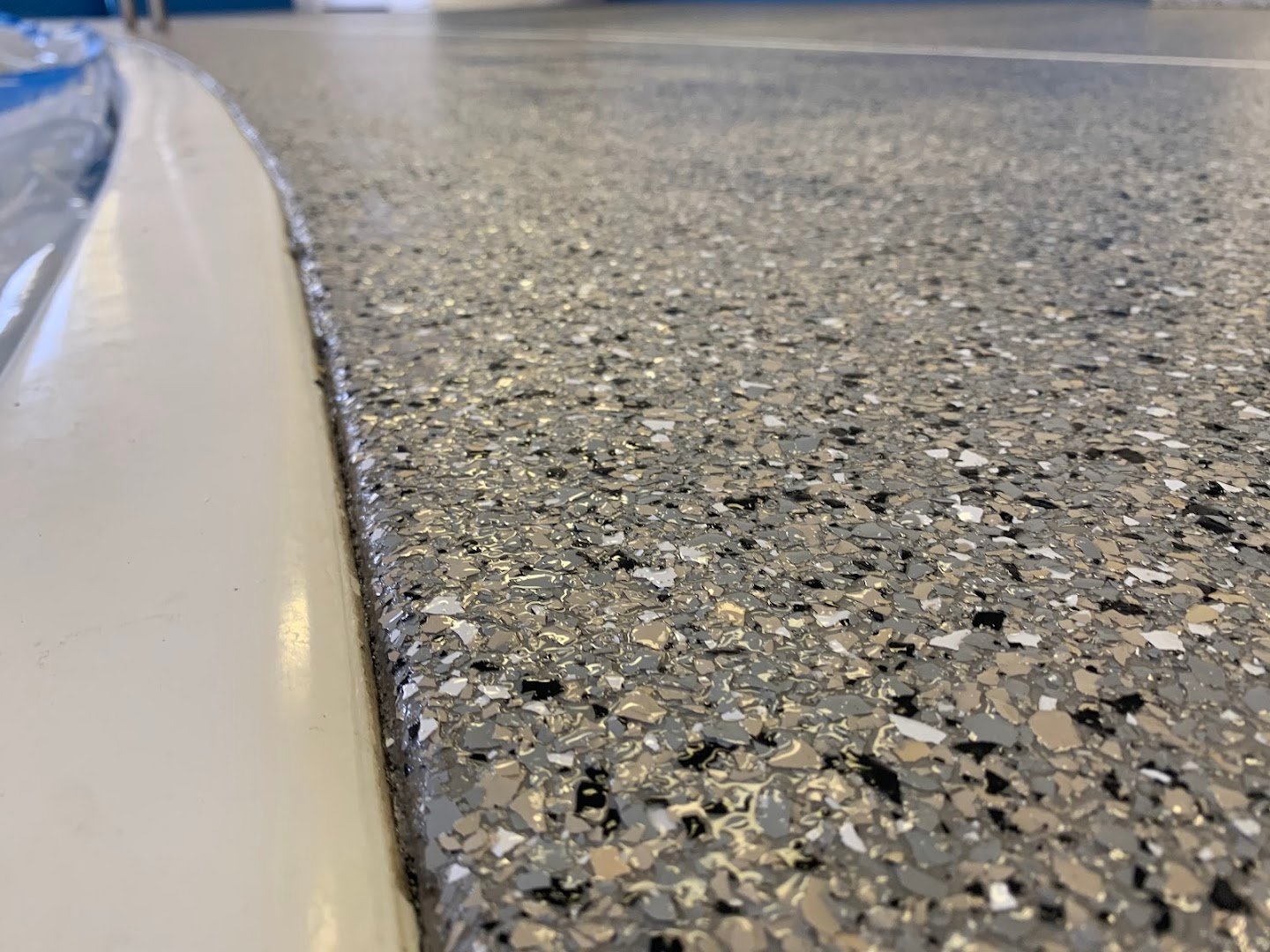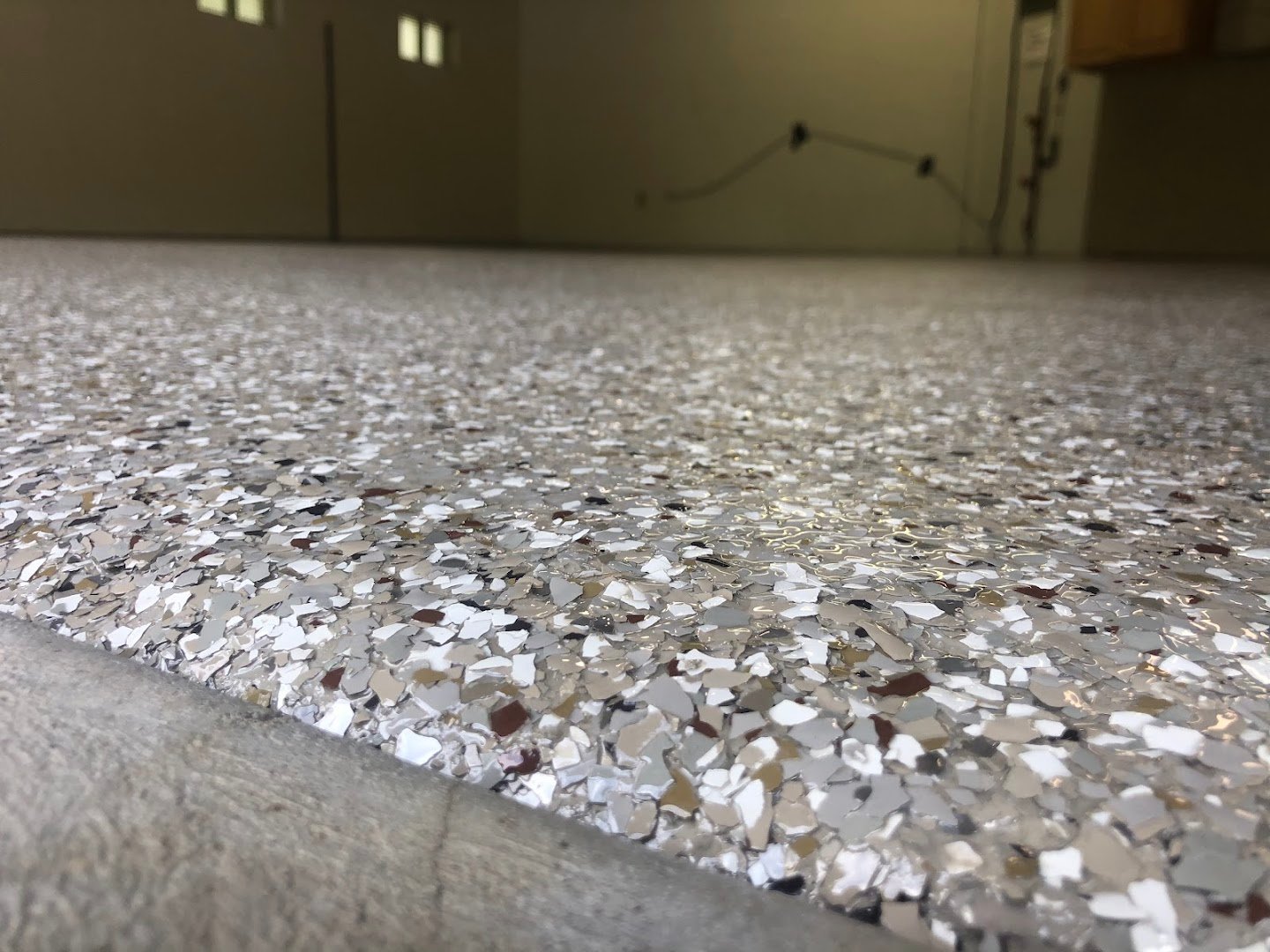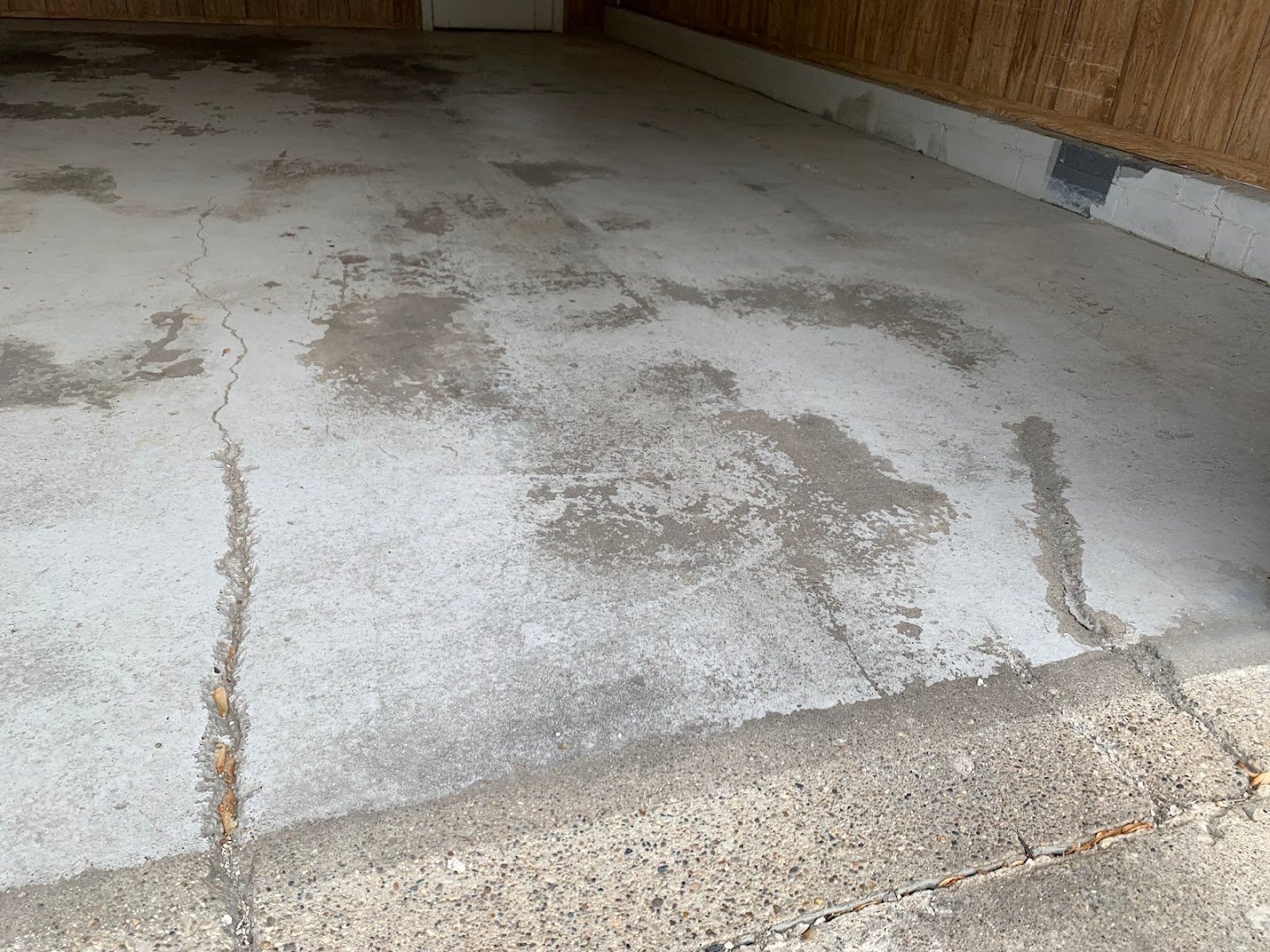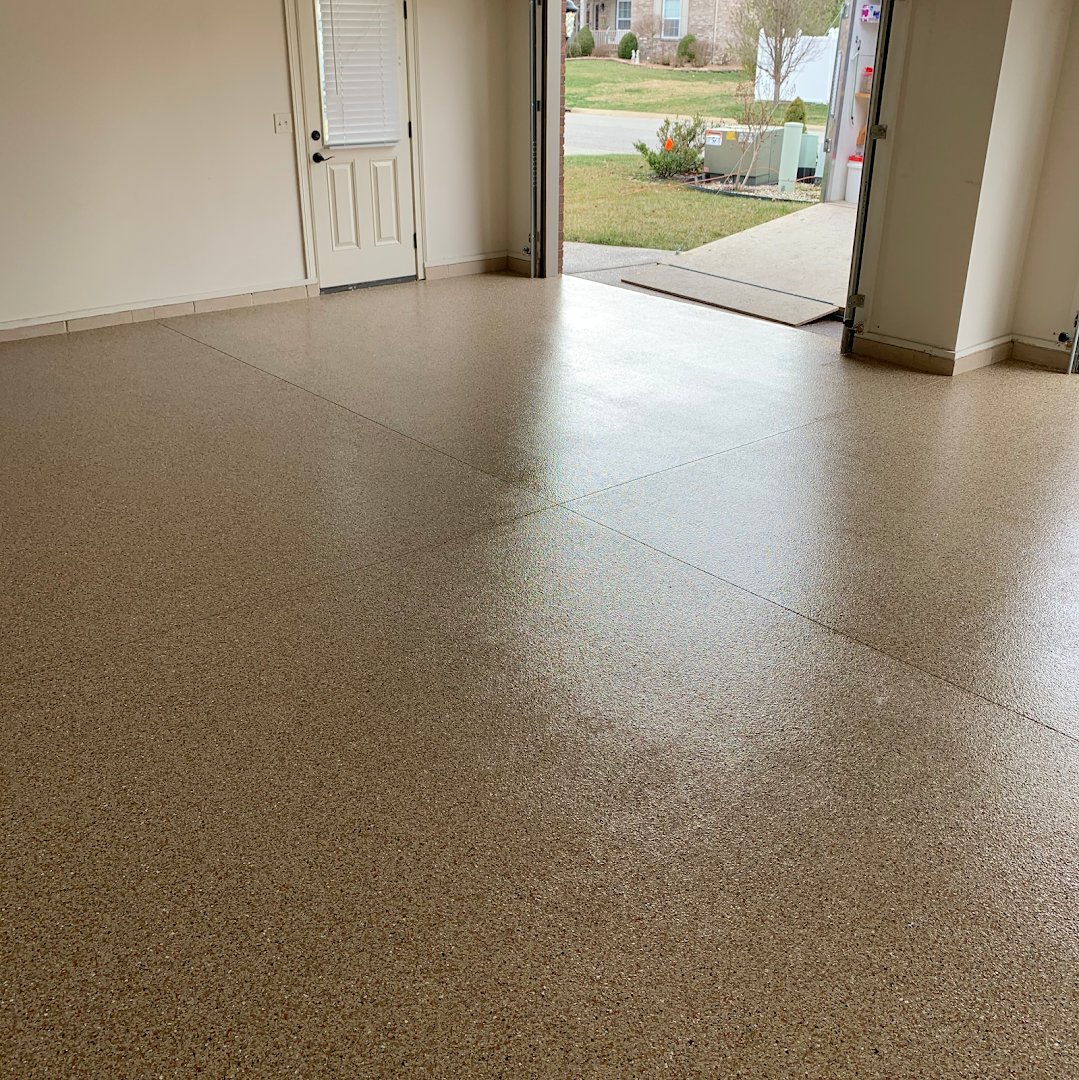
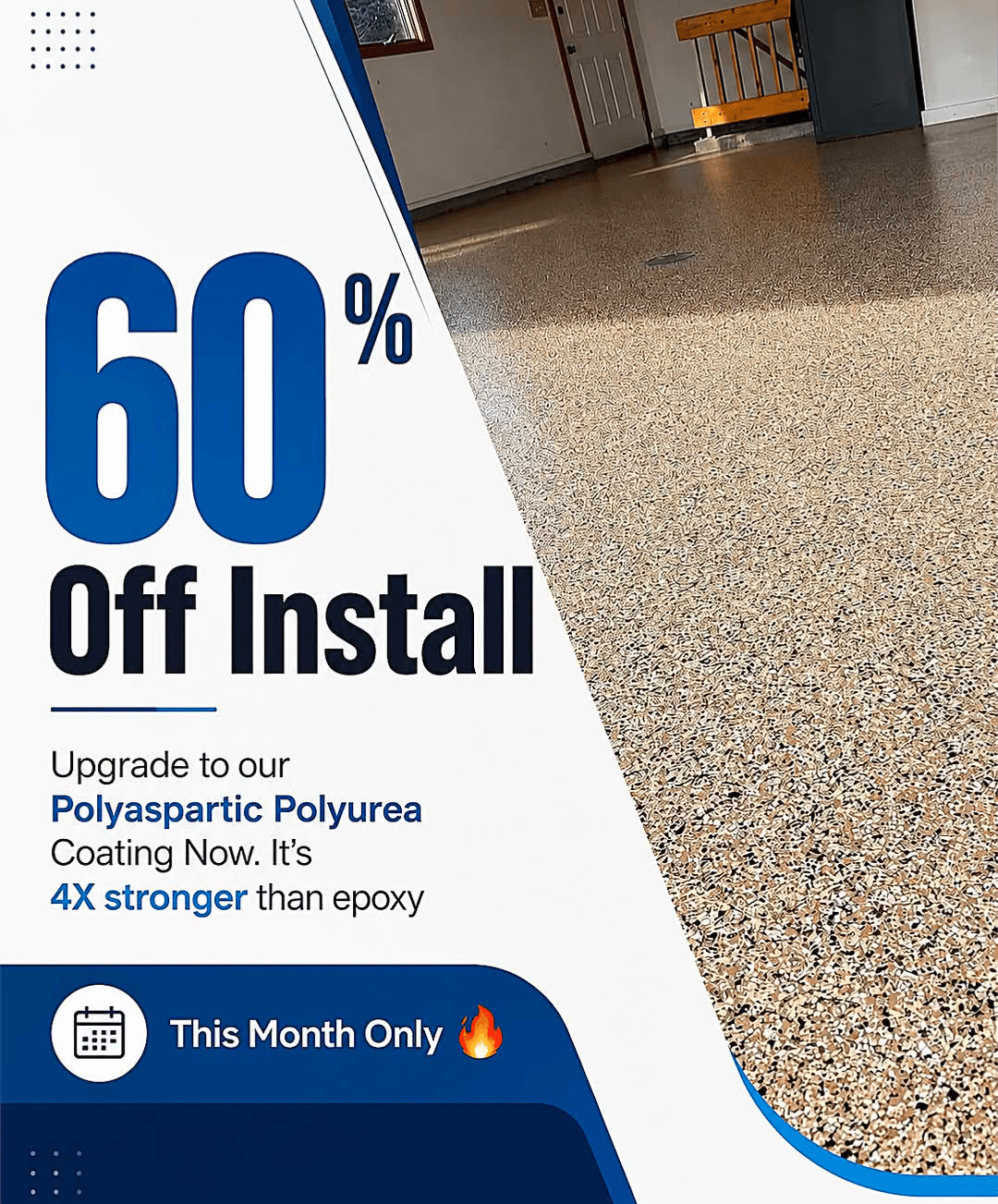
Quick answer: High-quality garage floor coatings, especially polyaspartic and epoxy systems, are built to resist summer heat and humidity. They won't soften, peel, or trap moisture the way cheaper finishes do, keeping your garage floor durable and slip-resistant even during Kentucky's hottest, stickiest months.
Summer in Owensboro brings more than backyard cookouts and long evenings—it also brings serious heat and humidity that put your garage floor to the test. Temperatures climb, moisture hangs in the air, and concrete takes the brunt of it. If you've ever noticed your garage floor sweating, cracking, or feeling slick after a humid day, you already know the problem.
The good news? The right coating can handle it all. In this post, we'll break down how garage floor coatings perform in hot, humid conditions, why some coatings fail while others thrive, and what homeowners searching for garage floor coatings Owensboro KY should look for before summer hits full swing.
Key Takeaways
- Quality garage floor coatings like polyaspartic and epoxy resist heat, moisture, and UV exposure, preventing peeling, softening, and slippery surfaces during humid summers.
- Proper installation—including concrete moisture testing and surface prep—is the single biggest factor in whether a coating survives summer conditions.
- For homeowners searching garage floor coatings Owensboro KY, professional installation with the right system ensures a durable, low-maintenance floor that lasts for years.
Why Summer Heat and Humidity Are Tough on Garage Floors
Bare concrete is porous, which means it absorbs and releases moisture constantly. During humid summer months, warm air carries more water vapor. When that vapor meets the cooler surface of your concrete slab, it condenses—creating that damp, sweaty film many homeowners notice on the garage floor.
This moisture does more than make the floor slippery. Over time, it can lead to cracking, mold growth, and a musty smell throughout the space. Add in the intense summer heat, and untreated concrete becomes even more vulnerable to wear and surface damage.
Heat also affects any coating already on the floor. Cheaper finishes and DIY kits often soften, bubble, or peel when temperatures rise. That's why the type of coating you choose matters so much.
How Do Garage Floor Coatings Hold Up in Hot Weather?
Professional-grade garage floor coatings are engineered to withstand exactly these conditions. Here's how the most popular options perform when the temperature spikes.
Polyaspartic Coatings
Polyaspartic coatings are among the most heat-resistant options available. They can handle surface temperatures well above what most garages ever reach, and they resist UV rays—so they won't yellow or fade from sunlight streaming through an open garage door.
They also cure quickly and remain flexible, which helps them expand and contract with the concrete as temperatures change throughout the day. This flexibility is a major reason they resist cracking in extreme heat.
Epoxy Coatings
Epoxy is a durable, long-lasting choice that bonds tightly to properly prepared concrete. It creates a hard, seamless surface that blocks moisture from seeping up through the slab.
That said, standard epoxy can be sensitive to UV exposure and may soften under very high heat if installed poorly. This is why many professionals pair an epoxy base with a polyaspartic topcoat—combining epoxy's strength with polyaspartic's heat and UV resistance.
Can Garage Floor Coatings Prevent Moisture Problems?
Yes—when installed correctly. A properly applied coating seals the concrete surface, blocking humidity from condensing directly on the slab. This stops the "sweating" effect and reduces the risk of mold, mildew, and that damp garage smell.
The key phrase here is installed correctly. Moisture problems usually trace back to poor preparation, not the coating itself. Before any coating goes down, a professional should:
- Test the concrete's moisture levels to confirm the slab is dry enough to coat.
- Grind and prep the surface so the coating bonds properly instead of trapping vapor underneath.
- Repair existing cracks that could let moisture in later.
Skip these steps, and even a premium coating can bubble or delaminate as trapped moisture tries to escape.
Why Installation Quality Matters More Than the Product
You could buy the best coating on the market and still end up with a failed floor if the installation is rushed. Summer heat and humidity are unforgiving—they expose every shortcut.
Professional installers account for local conditions. In a climate like Owensboro's, that means testing moisture during humid stretches, choosing coatings rated for high temperatures, and timing the application so the product cures under the right conditions.
DIY kits, by contrast, rarely include proper moisture testing or industrial-grade surface prep. That's often why store-bought coatings peel within a year or two, while professionally installed systems can last well over a decade.
What to Look for in Garage Floor Coatings in Owensboro KY
If you're weighing garage floor coatings Owensboro KY options, keep these factors in mind:
- Heat and UV resistance: Choose polyaspartic or a hybrid epoxy-polyaspartic system if your garage sees direct sun or high summer temperatures.
- Moisture testing included: A reputable installer will always test your slab before quoting the job.
- Warranty: A strong warranty signals confidence in both the product and the workmanship.
- Slip resistance: Ask about anti-slip additives, which are especially valuable when humidity makes floors slick.
Matching the right system to your specific garage—and your local climate—is what separates a floor that lasts from one that fails.
Keep Your Garage Cool, Clean, and Protected This Summer
Summer heat and humidity don't have to spell trouble for your garage floor. With the right coating and a professional installation, you get a surface that resists moisture, shrugs off heat, and stays looking sharp for years. The difference comes down to choosing a quality system and having it installed by people who understand your local climate.
If you're ready to protect your floor before the next heat wave, ICON Concrete Coatings can help you choose and install the right system for your home. Reach out today for a consultation and see how the right garage floor coatings can transform your space.
Frequently Asked Questions
Can garage floor coatings be installed during the summer?
Yes. Summer is actually a popular time for installation because coatings cure well in warm temperatures. A professional installer will monitor humidity and slab moisture to ensure the coating bonds properly, even on hot days.
Will a garage floor coating make my floor slippery in humid weather?
It can if no anti-slip additive is used. Most professional garage floor coatings offer anti-slip options that add texture to the surface, keeping the floor safe even when humidity makes bare concrete slick.
How long do garage floor coatings last in a hot, humid climate?
A professionally installed polyaspartic or epoxy-polyaspartic system can last 10 to 20 years, even with summer heat and humidity. Proper surface prep and moisture testing are the biggest factors in long-term durability.
Why do some garage floor coatings peel in the summer?
Peeling usually results from poor surface preparation or trapped moisture, not the heat alone. When concrete isn't tested and prepped correctly, humidity can push up through the slab and break the coating's bond.