Your pool deck is more than just a surface; it's the foundation for countless memories, sunny afternoons, and refreshing dips. But beneath the fun, your concrete pool deck faces constant challenges from harsh UV rays, chlorinated water, fluctuating temperatures, and heavy foot traffic. Ensuring its longevity and beauty requires robust concrete protection.
This comprehensive Q&A post delves into the world of pool deck coating and concrete protection, addressing common questions homeowners have. We'll explore the best materials, the importance of sealing, how to enhance its appearance, and the critical considerations when deciding between DIY and professional installation. Our goal is to equip you with the knowledge to make informed decisions for your pool area, transforming it into a safe, durable, and stunning extension of your home.
What is the best coating for concrete pool deck?
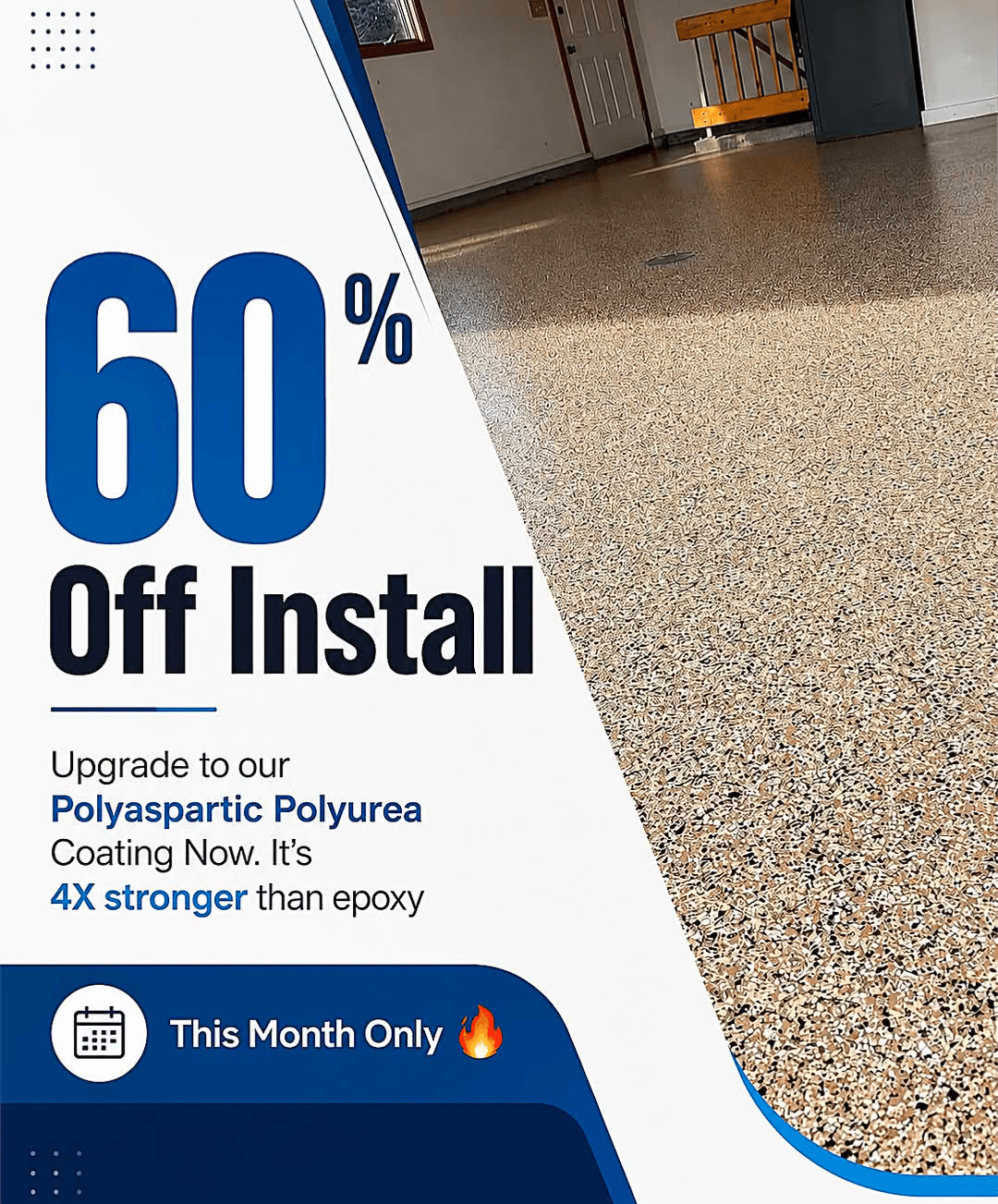
When it comes to protecting and beautifying your concrete pool deck, the term “best” often points towards advanced polyurea and polyaspartic coating systems. These aren't just paints; they are high-performance, multi-layer systems specifically engineered to withstand the unique challenges of a pool environment. Unlike traditional epoxy or acrylic sealers, polyurea and polyaspartic coatings offer superior durability, flexibility, and resistance.
Key benefits include:
- Exceptional Durability: They are incredibly resistant to abrasions, impacts, and daily wear and tear from foot traffic and furniture.
- UV Stability: Unlike some coatings that can yellow or fade over time, high-quality polyurea/polyaspartic systems are UV stable, maintaining their color and finish even under intense sunlight.
- Chemical Resistance: They stand up to pool chemicals, oils, and other common spills without degrading.
- Slip Resistance: Many systems can be customized with aggregates to create a textured, slip-resistant surface, significantly enhancing safety around wet areas.
- Aesthetic Versatility: Available in a vast array of colors, patterns, and flake blends, these coatings can completely transform the look of your pool deck, mimicking natural stone or creating a custom design.
For homeowners in Indiana and Kentucky seeking the ultimate in pool deck concrete protection and aesthetic appeal, ICON Concrete Coatings specializes in these advanced systems, ensuring a long-lasting and beautiful result.
Should you seal a concrete pool deck?
Absolutely, sealing or applying a protective coating to your concrete pool deck is not just recommended, it's essential for its longevity, safety, and appearance. Bare concrete, while seemingly robust, is actually quite porous. This porosity makes it vulnerable to a host of damaging elements present around a pool.
- Water Penetration: Unsealed concrete absorbs water, which can lead to efflorescence (white mineral deposits), mildew, and algae growth. In colder climates, absorbed water can freeze and expand, causing cracks and spalling (flaking) during freeze-thaw cycles.
- Chemical Damage: Pool chemicals, sunscreen, and other liquids can stain and degrade unsealed concrete over time.
- UV Damage: Constant exposure to ultraviolet (UV) rays can cause concrete to fade, become brittle, and deteriorate.
- Staining: Oils, food spills, and organic matter can easily penetrate and permanently stain bare concrete.
- Safety: Unsealed concrete can become slippery when wet, posing a significant slip-and-fall hazard.
A high-quality sealer or coating creates a protective barrier that repels water, resists stains and chemicals, and provides UV protection. It also makes the surface easier to clean and, crucially, can be engineered to offer enhanced slip resistance. Investing in proper concrete protection for your pool deck is a proactive step that saves money on repairs and maintenance in the long run, while keeping your pool area safe and inviting.
How to make a concrete pool deck look better?
A concrete pool deck, while functional, can often look dull or worn over time. Fortunately, there are many effective ways to dramatically improve its appearance, transforming it from drab to fab. The most impactful methods go beyond simple cleaning and involve resurfacing or coating.
- Deep Cleaning and Repairs: Start with a thorough pressure wash to remove dirt, grime, and mildew. Address any cracks, chips, or spalling with appropriate concrete repair materials. A clean, sound surface is the foundation for any aesthetic upgrade.
- Staining and Dyeing: For a subtle change, concrete stains or dyes can add color without obscuring the concrete's natural variations. Acid stains create mottled, translucent effects, while water-based stains offer a wider range of opaque colors.
- Textured Overlays: Thin concrete overlays can be applied to create new textures, patterns, and colors. These can be stamped to mimic brick, stone, or wood, or troweled for a smooth, modern finish. They effectively hide minor imperfections and provide a fresh canvas.
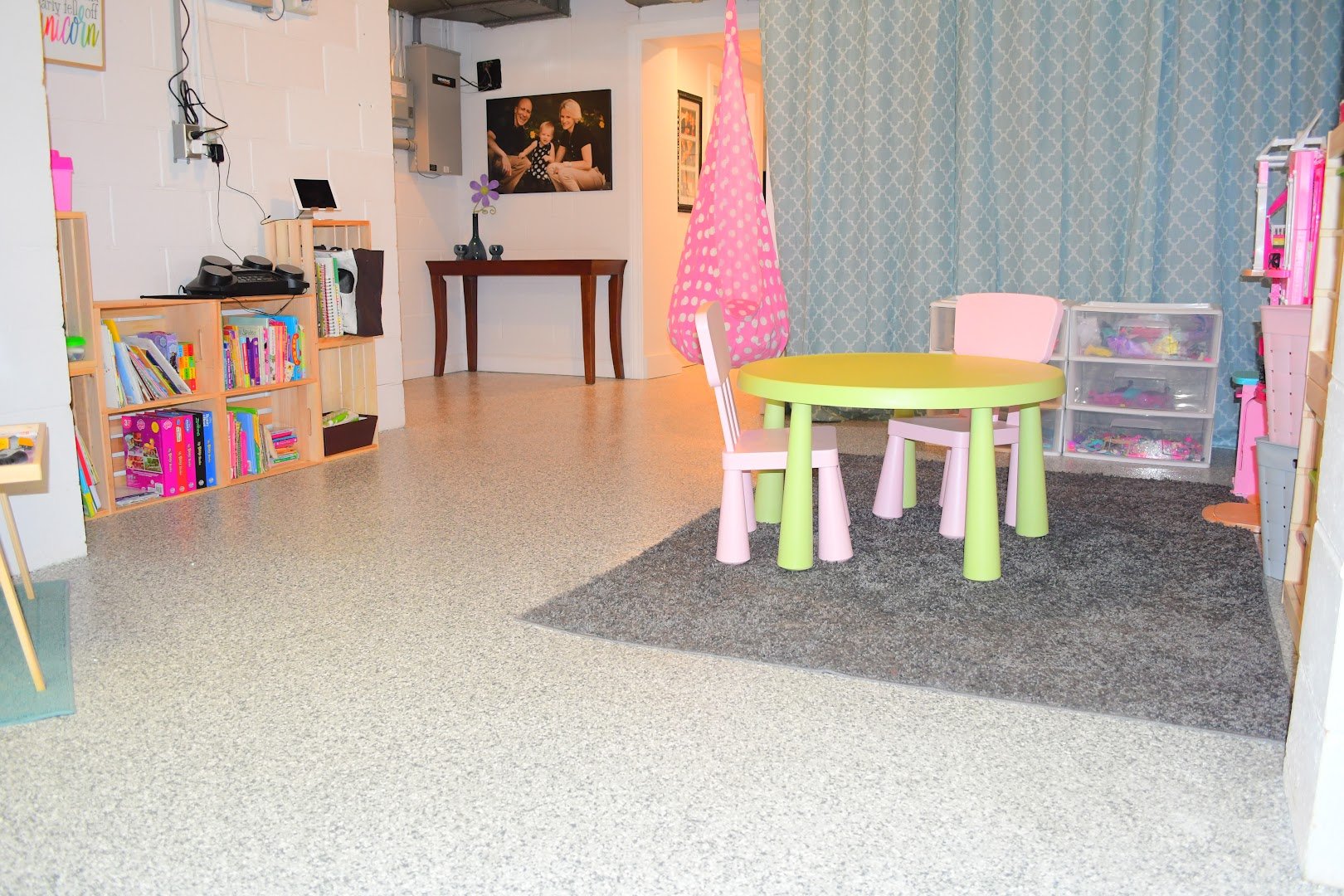
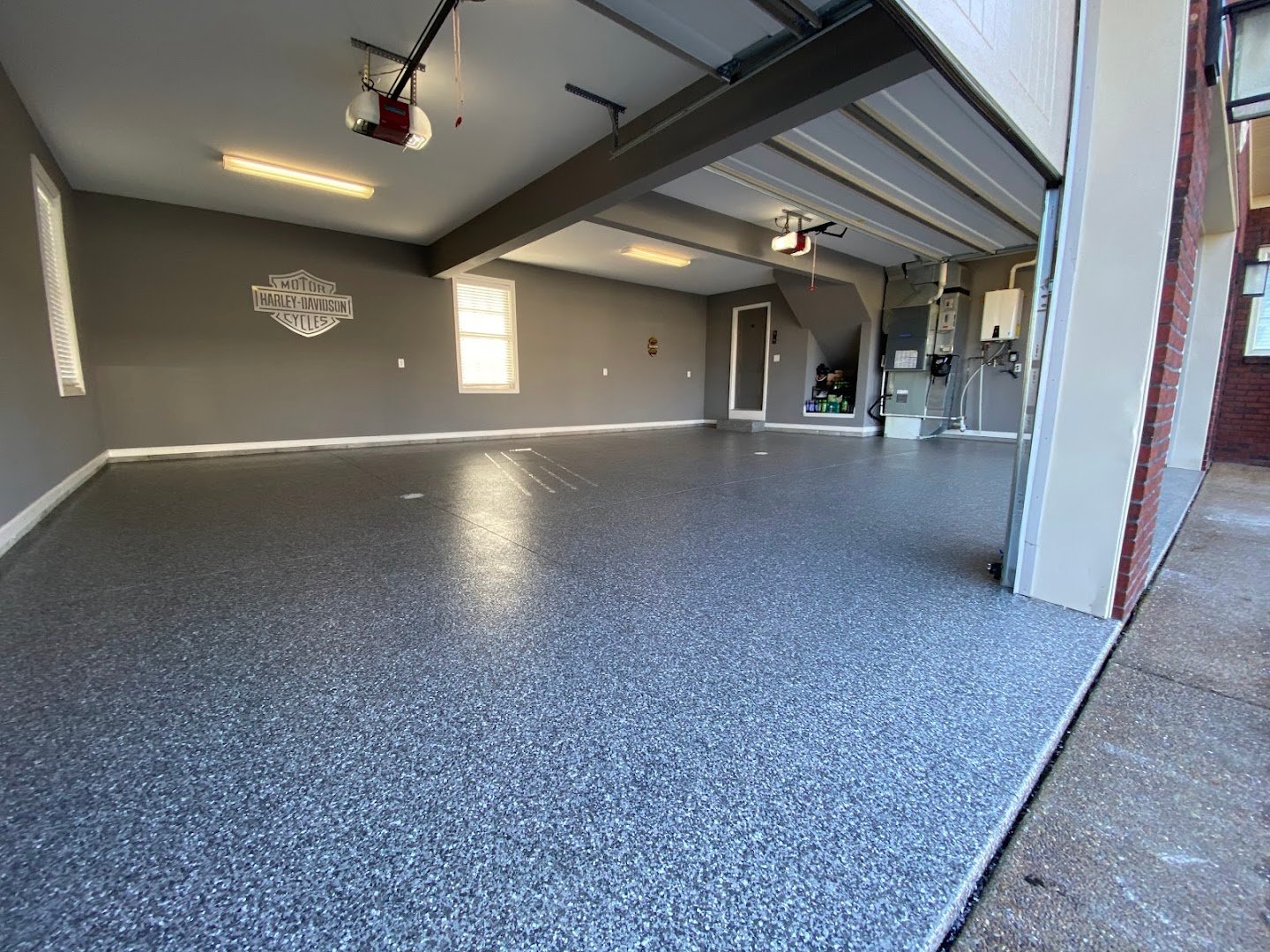
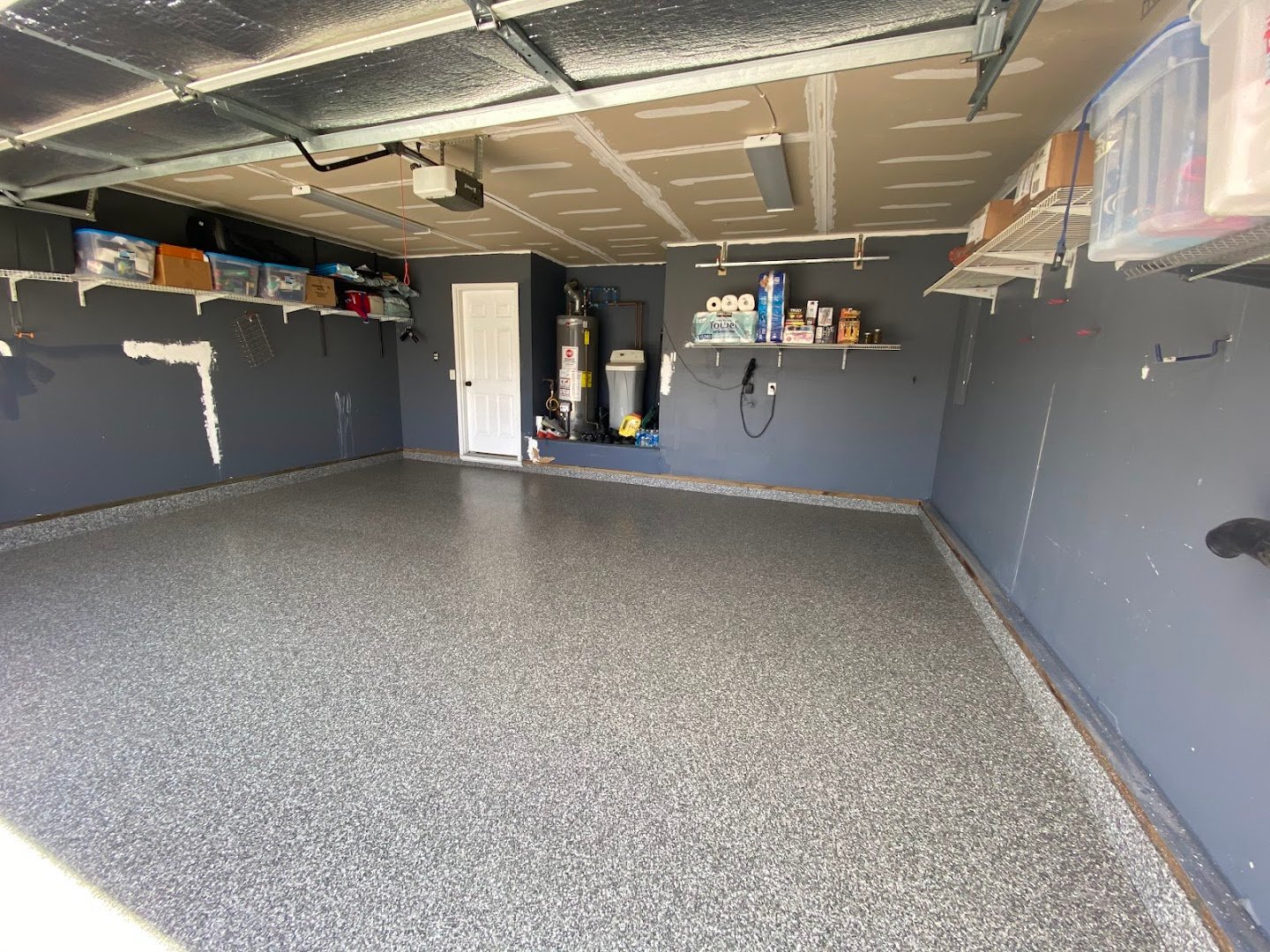
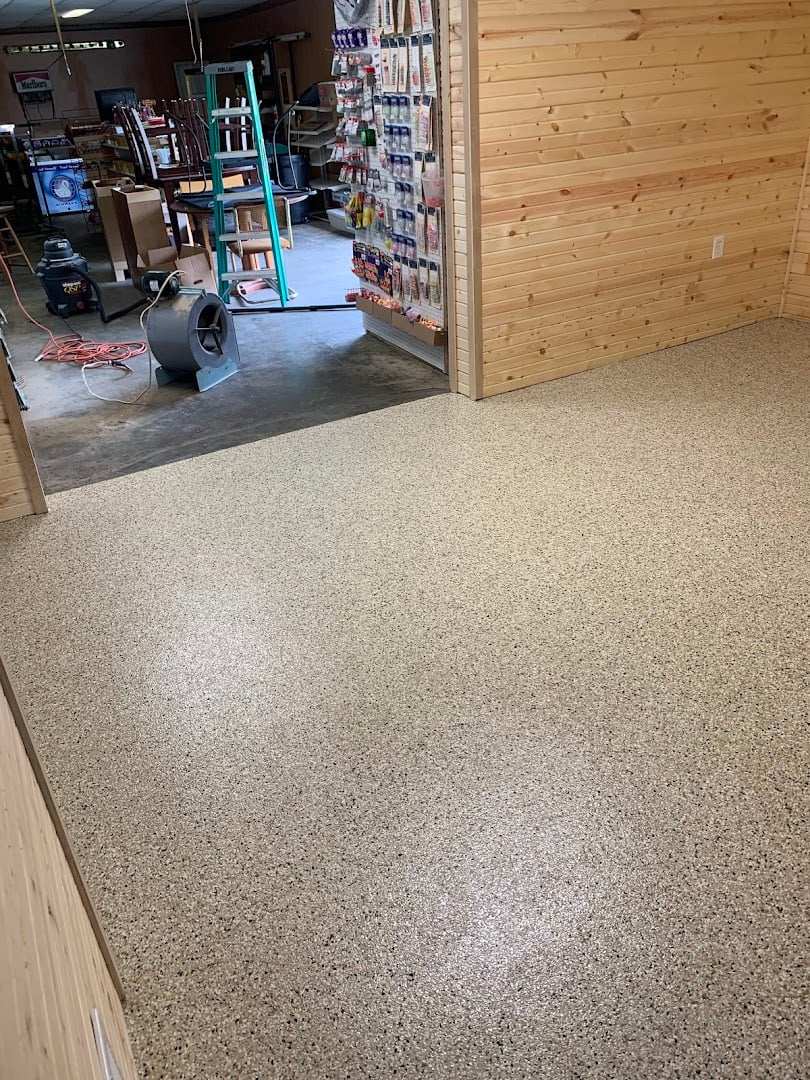
- High-Performance Coatings: This is arguably the most transformative option. Advanced coating systems, like those offered by ICON Concrete Coatings, provide a seamless, durable, and highly customizable finish. You can choose from a vast palette of colors, add decorative flakes for a granite-like appearance, or even incorporate custom designs. These coatings not only enhance aesthetics but also add significant protection and slip resistance, making your pool deck both beautiful and functional.
By choosing the right combination of preparation and finishing, you can revitalize your concrete pool deck, making it a stunning focal point of your outdoor living space.
Do it yourself pool deck coating?
While the idea of a DIY pool deck coating might seem appealing for cost savings, it's generally not recommended for advanced, high-performance systems. Applying a durable and long-lasting pool deck coating is a complex process that requires specific knowledge, specialized equipment, and meticulous attention to detail. The risks associated with a DIY approach often outweigh the potential savings.
- Improper Surface Preparation: This is the most common reason for coating failure. Concrete surfaces must be thoroughly cleaned, repaired, and profiled (e.g., grinding or shot blasting) to ensure proper adhesion. Skipping or inadequately performing these steps will lead to peeling, blistering, and premature failure.
- Material Selection and Application: Choosing the right coating system for a pool deck's unique demands (UV exposure, chemical resistance, slip resistance) is crucial. Professional-grade materials are often not readily available to the public, and their application requires specific techniques, mixing ratios, and environmental conditions (temperature, humidity).
- Lack of Experience: Achieving a smooth, even, and aesthetically pleasing finish requires skill and experience. DIY attempts often result in uneven textures, visible roller marks, or inconsistent color.
- Safety Hazards: Working with industrial-grade chemicals and equipment can pose safety risks if not handled correctly.
- No Warranty: Professional installations typically come with warranties, providing peace of mind. A DIY job offers no such protection if the coating fails.
- Cost of Failure: If a DIY coating fails, the cost to remove it and have a professional re-do the job can be significantly higher than the initial professional installation.
For a beautiful, durable, and safe pool deck that stands the test of time, entrusting the job to experienced professionals like ICON Concrete Coatings ensures the correct materials, preparation, and application techniques are used, providing a superior and warrantied result.
Protecting and beautifying your concrete pool deck is an investment in your home's value and your family's enjoyment. By choosing the right coating and professional installation, you can ensure a durable, safe, and stunning outdoor oasis for years to come.
Ready to transform your pool deck with expert concrete protection? Contact ICON Concrete Coatings today for a free quote and discover why we are the best concrete coating company serving Indiana and Kentucky.