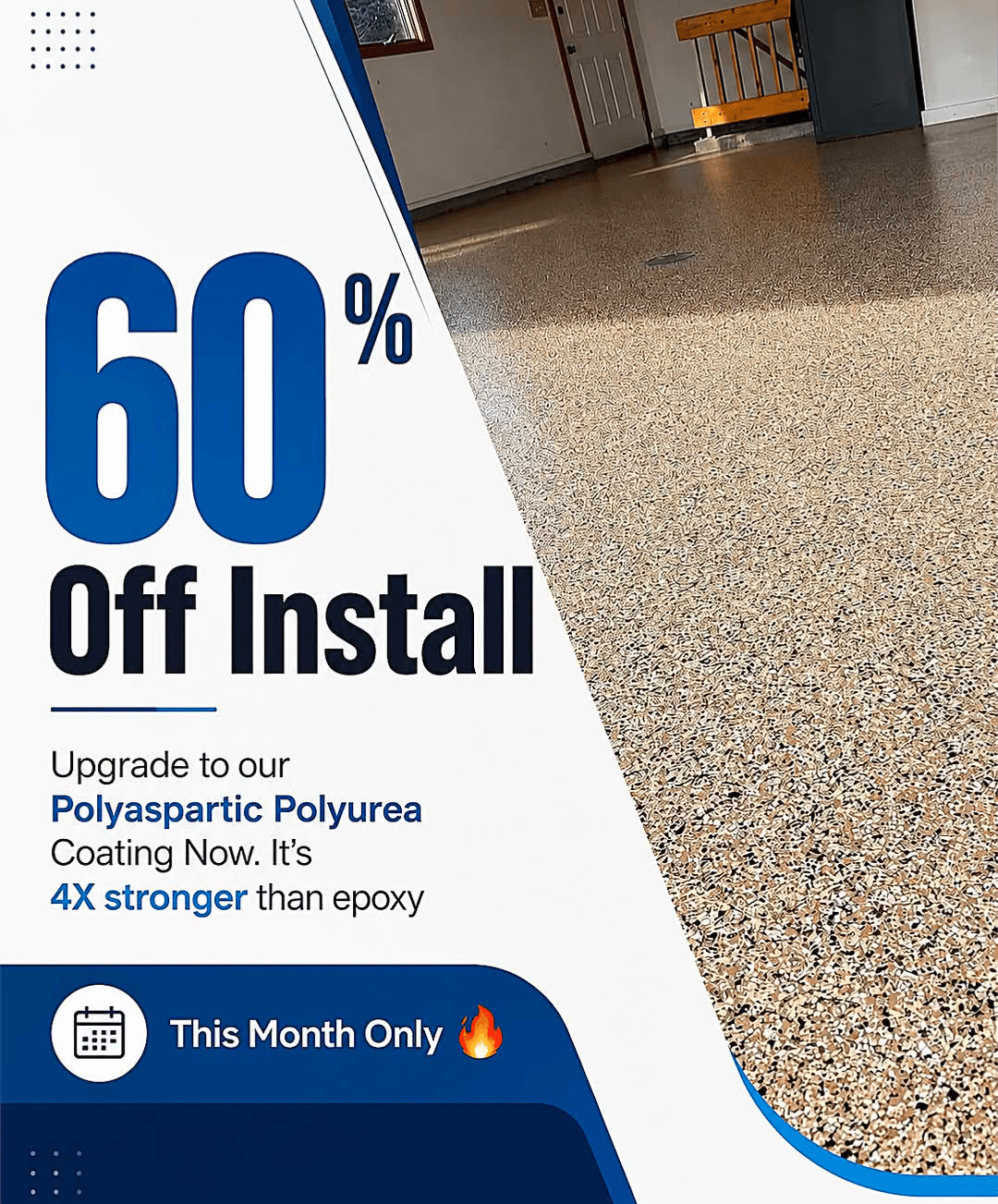
When it comes to upgrading your concrete surfaces, whether it's your garage, basement, patio, or pool deck, choosing the right coating is crucial. You've likely encountered terms like polyurea and rubberized coating during your research, and understanding the nuances between them is key to making an informed decision. Both offer distinct advantages and are designed to protect and enhance your concrete, but they achieve this in different ways.
This comprehensive Q&A post aims to demystify the topic of polyurea vs rubberized coating, addressing common questions and shedding light on what makes each option unique. We'll dive into the specifics, helping you understand the characteristics, applications, and considerations for each, so you can confidently select the best solution for your property with the expertise of ICON Concrete Coatings.
What are the negatives of polyurea?
While polyurea coatings offer outstanding benefits, it's important to be aware of potential considerations before making a decision. One common point of discussion is the initial cost; polyurea systems often represent a higher upfront investment compared to some traditional epoxy or acrylic coatings. This is largely due to the advanced material science and the specialized application process required to ensure its superior performance and longevity.
Another factor to consider is the application itself. Polyurea cures very quickly, which means it demands a highly skilled and experienced installer. DIY attempts without proper training and equipment can lead to uneven application, bubbles, or adhesion issues. Furthermore, while polyurea is incredibly flexible and durable, it's not a 'rubberized' coating in the traditional sense. True rubberized coatings might offer a softer, more impact-absorbing surface, which polyurea, despite its elasticity, doesn't fully replicate. Polyurea is designed for extreme durability and chemical resistance, offering a hard-wearing surface that stands up to heavy use, but it won't feel like walking on rubber.
Finally, like any high-performance coating, proper surface preparation is absolutely critical for polyurea to adhere correctly and perform as expected. If the concrete isn't thoroughly cleaned, repaired, and profiled, even the best polyurea system can fail prematurely. This is why partnering with a professional installer like ICON Concrete Coatings is essential to mitigate these potential negatives and ensure a flawless, long-lasting finish.
How much does it cost to polyurea a 2 car garage?
The cost to apply a polyurea coating to a 2-car garage can vary significantly based on several factors, making it challenging to provide a precise figure without a detailed assessment. Generally, polyurea is considered a premium coating option, reflecting its superior durability, longevity, and resistance to chemicals, abrasions, and UV light.
Key factors that influence the overall cost include:
- Size and Layout: While we're discussing a 2-car garage, the exact square footage and any unique architectural features or obstacles can impact material and labor needs.
- Concrete Condition: Extensive concrete repairs, such as crack filling, spalling repair, or significant leveling, will add to the preparation costs. The better the existing concrete, the less prep work is required.
- System Type: The specific polyurea system chosen (e.g., single-layer, multi-layer, flake system, metallic finish) will affect material costs. More complex systems with decorative flakes or multiple topcoats will naturally be a higher investment.
- Preparation Intensity: Proper surface preparation, including grinding and cleaning, is crucial for polyurea adhesion. The intensity of this process can vary based on the existing condition of your garage floor.
- Geographic Location: Labor rates and material costs can fluctuate by region.
Given these variables, the best way to get an accurate estimate for your 2-car garage is to request a personalized quote from a reputable concrete coating specialist. Companies like ICON Concrete Coatings offer free, no-obligation consultations to assess your specific needs and provide a transparent breakdown of costs, ensuring you understand the investment involved in achieving a high-quality, durable polyurea floor.
What does polyurea not stick to?
Polyurea is known for its exceptional adhesion properties to properly prepared concrete. However, there are specific conditions and surfaces where polyurea will struggle to bond effectively, leading to premature failure if not addressed. Understanding these limitations is crucial for a successful application.
- Improperly Prepared Concrete: This is the most common reason for adhesion failure. Polyurea will not stick well to concrete that is:
- Unclean: Any dirt, dust, grease, oil, sealers, or existing coatings will act as a bond breaker.
- Unsound: Loose, spalling, or deteriorated concrete must be removed and repaired.
- Unprofiled: The concrete surface needs to be mechanically profiled (e.g., ground or shot-blasted) to create a porous, rough texture for the polyurea to grip onto. A smooth, sealed surface offers no anchor points.
- Moisture-Laden: Excessive moisture within the concrete slab can cause blistering or delamination as the polyurea cures. Professional moisture testing is often required.
- Certain Existing Coatings: While polyurea can sometimes be applied over existing coatings, it's not always compatible. Some older epoxy, paint, or sealant types may not provide a suitable substrate for polyurea to bond with, or they may fail themselves, taking the polyurea with them. Complete removal of incompatible coatings is often the safest approach.
- Non-Porous, Smooth Surfaces: Materials like glazed tile, polished stone, or un-profiled metal generally lack the necessary porosity and surface profile for polyurea to achieve a strong mechanical bond without extensive and specialized preparation.
The success of a polyurea coating hinges on meticulous surface preparation. Professionals like ICON Concrete Coatings employ specialized equipment and techniques to ensure your concrete is perfectly prepped, guaranteeing optimal adhesion and the long-term performance of your polyurea system.
What is the lifespan of polyurea coating?
The lifespan of a polyurea concrete coating is one of its most compelling advantages, often significantly outperforming traditional epoxy or acrylic systems. While it's difficult to give an exact number due to various influencing factors, a properly installed polyurea coating is designed to last for many years, often decades, with minimal maintenance.
Several key factors contribute to the impressive longevity of polyurea:
- Material Quality: High-quality polyurea formulations are inherently more durable and resistant to wear and tear than lesser materials.
- Professional Installation: As discussed, proper surface preparation and expert application are paramount. A professional installer ensures optimal adhesion, correct thickness, and a uniform finish, all of which extend the coating's life.
- Traffic and Use: While polyurea is extremely durable, a garage floor subject to heavy machinery and constant vehicle traffic might show wear differently than a basement floor used for light recreation. However, polyurea is built to withstand rigorous use.
- Environmental Exposure: Polyurea is highly resistant to UV degradation, chemical spills, and extreme temperature fluctuations, making it suitable for both indoor and outdoor applications in diverse climates across Indiana and Kentucky. This resistance helps prevent fading, yellowing, and cracking over time.
- Maintenance: Simple, regular cleaning will help maintain the coating's appearance and protect its integrity.
When you invest in a polyurea coating from a reputable company, you're investing in a long-term solution that provides exceptional protection and aesthetic appeal for your concrete surfaces for a very extended period. It’s a choice that offers peace of mind and lasting value.
Choosing the right concrete coating is a significant decision for your home or business. While this guide sheds light on the differences between polyurea and rubberized coatings, and addresses common questions about polyurea, the best way to determine the ideal solution for your specific needs is to consult with an expert.
At ICON Concrete Coatings, we're dedicated to helping homeowners and businesses throughout Indiana and Kentucky find the perfect, long-lasting concrete coating solution. If you're ready to explore your options and receive a personalized recommendation, we invite you to get a free quote today. Let our team of professionals transform your concrete with a durable, beautiful finish that stands the test of time.