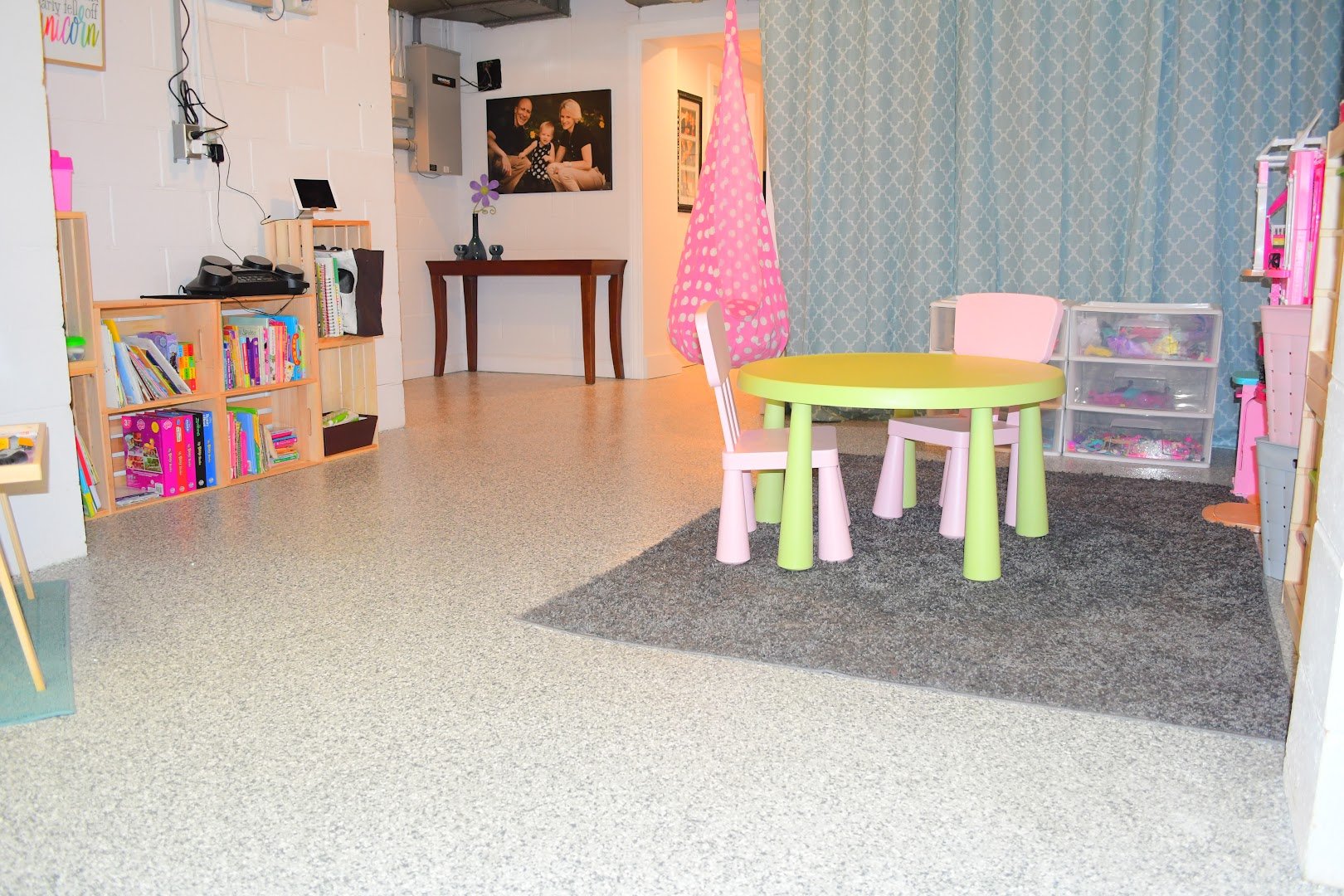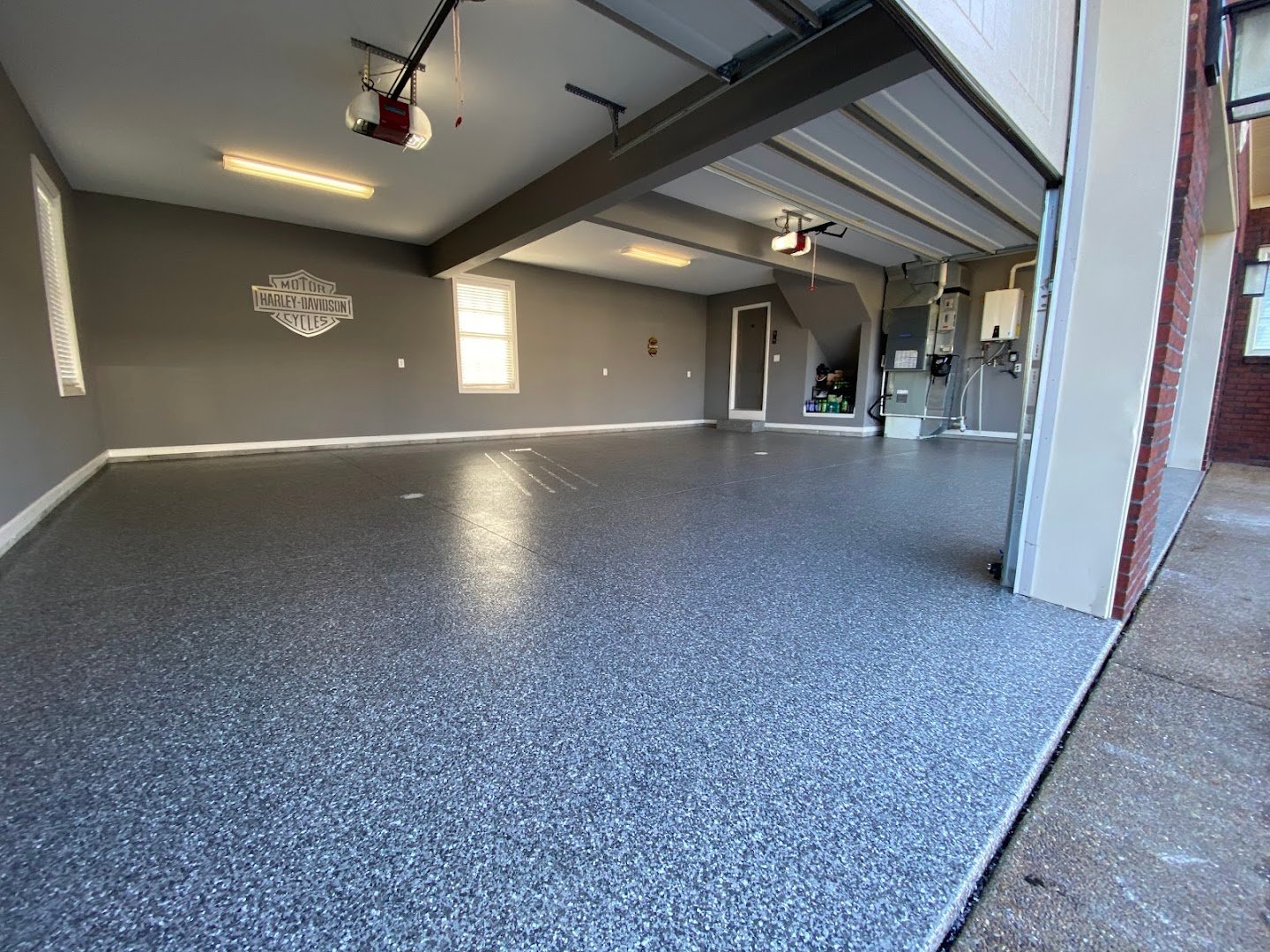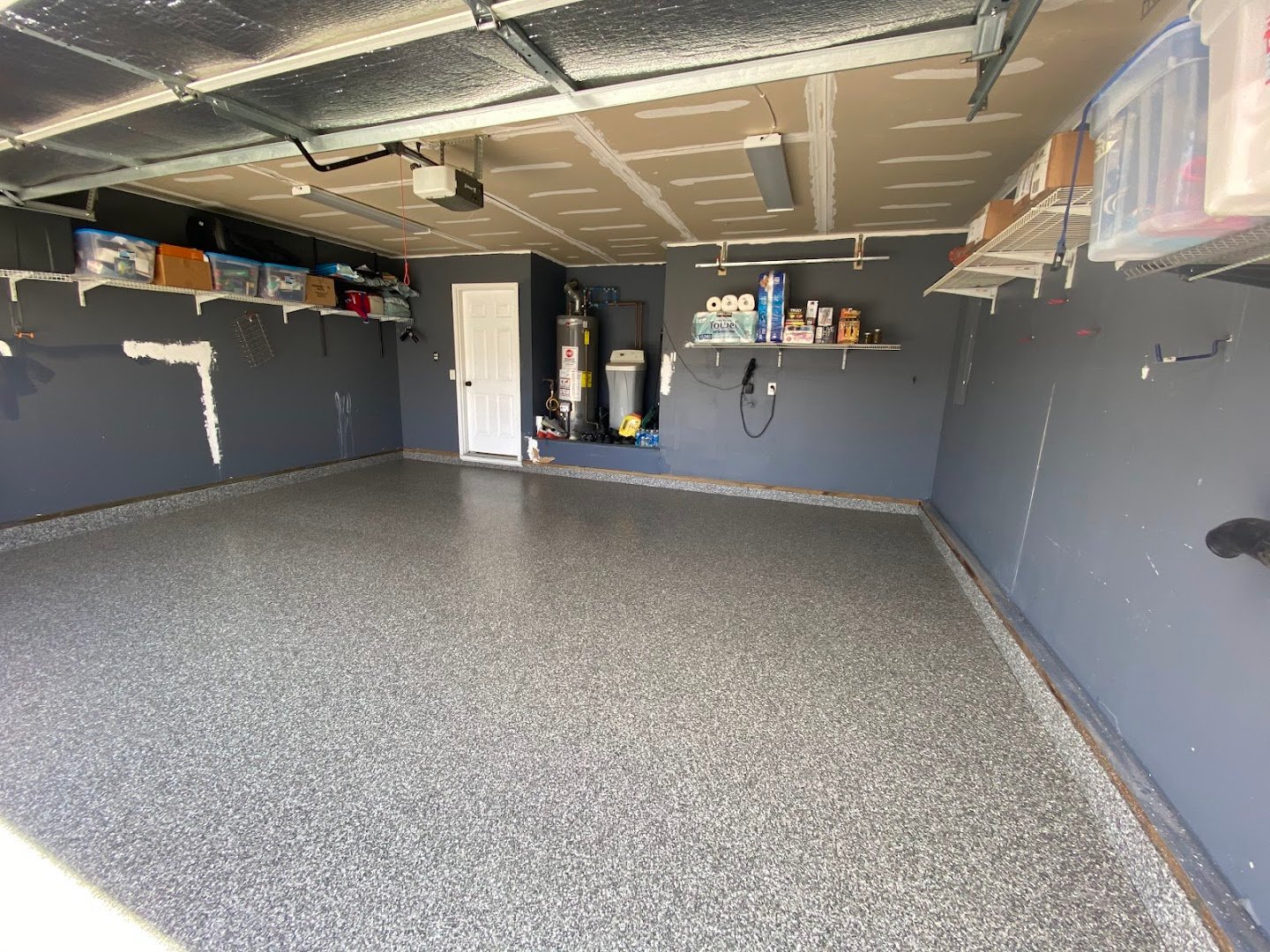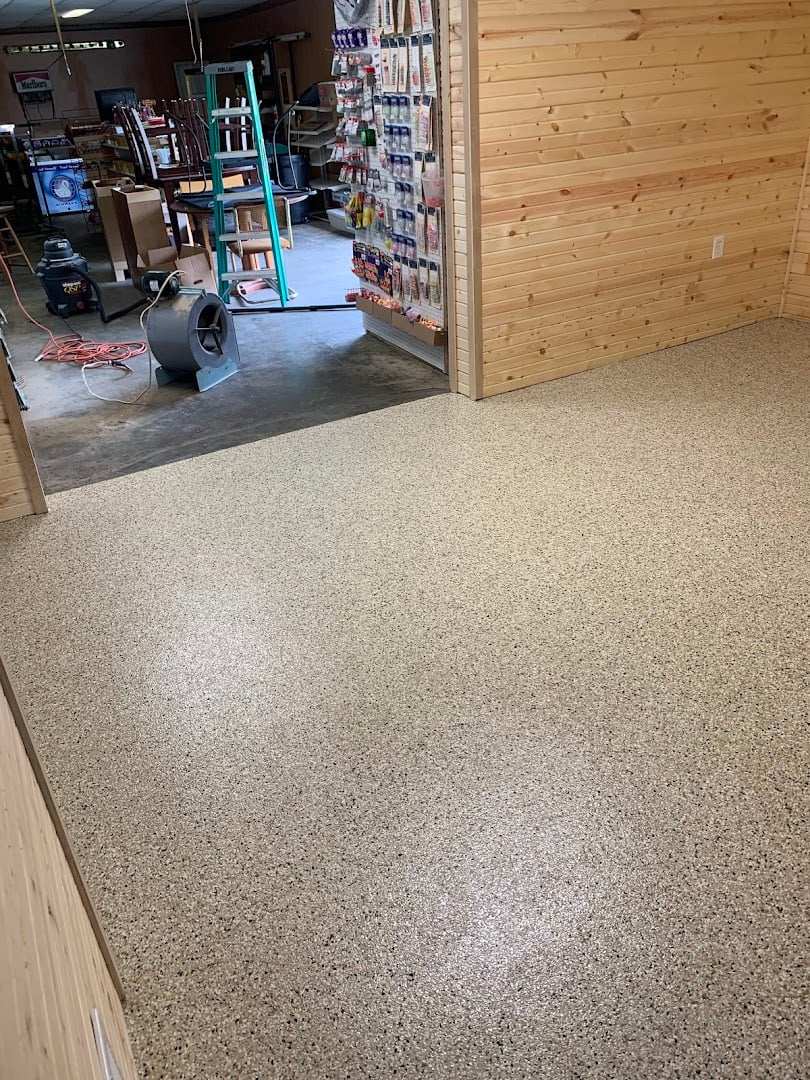
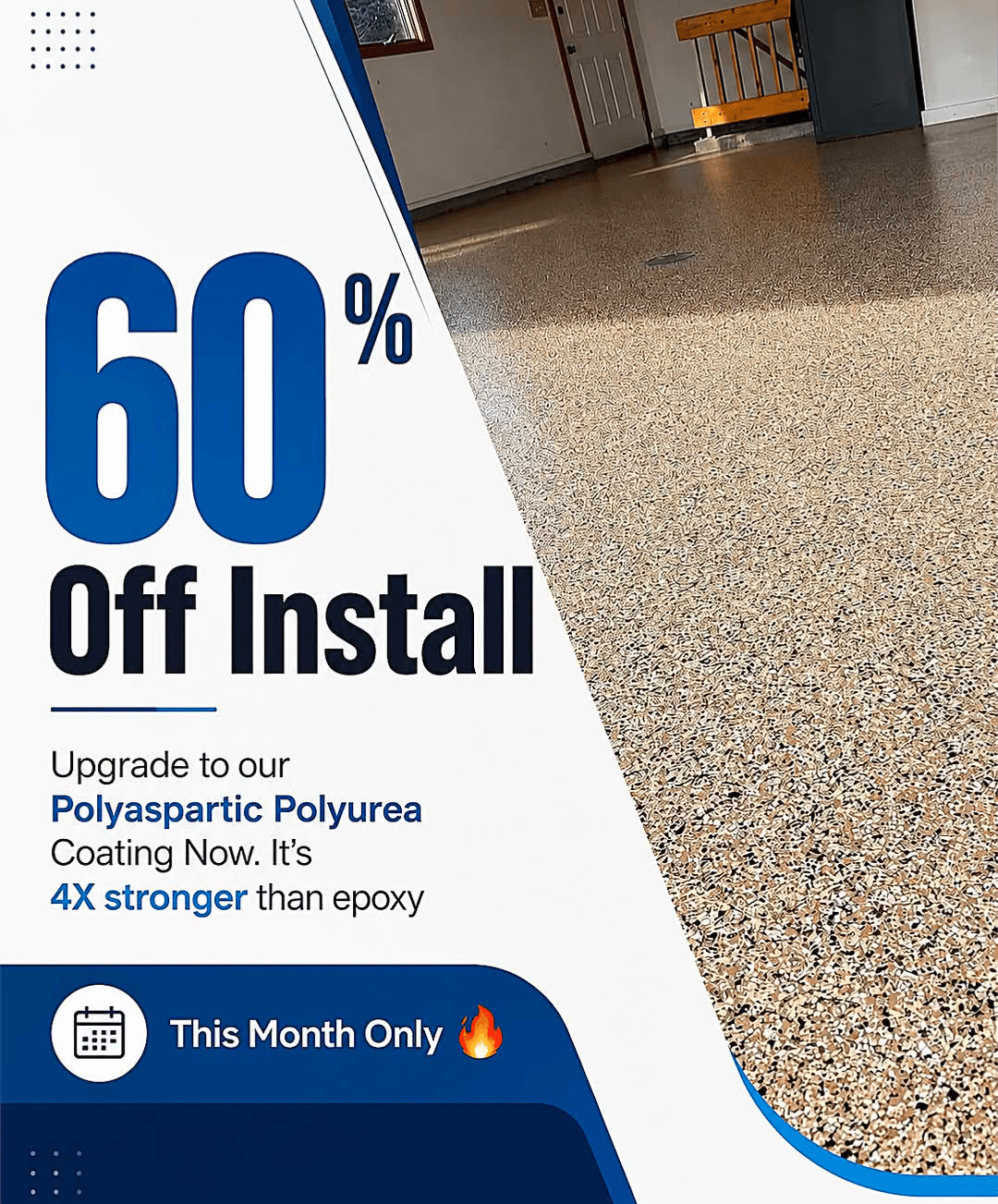
Are you envisioning a complete overhaul for your garage? The floor is often the first place to start when you want to truly transform your garage floor coating from a dull, dusty slab into a vibrant, durable, and functional surface. A high-quality garage floor coating doesn't just look great; it protects your concrete, enhances safety, and makes cleaning a breeze. It's an investment that pays dividends in both aesthetics and practicality.
We understand that embarking on such a project can bring many questions. To help you navigate the options and make an informed decision, we've compiled answers to some of the most frequently asked questions about garage floor coatings. Let's dive into what it takes to achieve that dream garage floor.
How much does it cost to epoxy a 20x20 garage floor?
When considering the cost to transform your garage floor coating, it's important to understand that the term “epoxy” is often used broadly. While traditional epoxy coatings have been around for a while, modern, high-performance systems often incorporate polyurea and polyaspartic materials, which offer superior durability and longevity.
The cost for a professional coating on a 20x20 (400 square foot) garage floor can vary significantly based on several factors:
- Material Quality: High-grade polyurea and polyaspartic systems, known for their resistance to UV yellowing, chemicals, and abrasions, will typically cost more than basic epoxy paints.
- Floor Condition: Extensive concrete repair, crack filling, or moisture mitigation required before coating will add to the overall cost. Proper preparation is crucial for a lasting finish.
- System Layers: A multi-layer system, including a primer, base coat, decorative flakes (if chosen), and a clear topcoat, provides the best protection and appearance but also impacts cost.
- Labor and Expertise: Professional installation ensures proper surface preparation, application techniques, and adherence to manufacturer specifications, which is vital for warranty and performance.
- Customization: Specific colors, flake blends, or anti-slip additives can influence the final price.
Because of these variables, providing a generic price without a detailed assessment is challenging. For an accurate estimate tailored to your specific garage and desired finish, we recommend obtaining a free, no-obligation quote from a reputable concrete coating specialist. They can assess your floor, discuss your options, and provide a transparent breakdown of costs.
How much does it cost to epoxy a 1000 square foot floor?
The cost to coat a 1000 square foot floor, whether it's a large garage, basement, or other commercial space, follows similar principles to smaller projects but with some potential economies of scale. Again, the term “epoxy” is often a catch-all, and many superior systems are available today that offer better performance than traditional epoxy alone.
- Surface Preparation: For a 1000 sq ft area, thorough surface preparation, including grinding and repairing any imperfections, is a significant part of the job. The condition of the existing concrete will heavily influence this cost.
- Material Volume: Larger areas require more material. While the per-square-foot cost of materials might slightly decrease due to bulk purchasing, the overall material cost will naturally be higher.
- Coating System: The choice between a basic single-layer coating and a robust multi-layer system (primer, base coat, decorative elements, and durable topcoats like polyaspartic) will be a primary cost driver.
- Labor Efficiency: Larger projects can sometimes be more efficient for installation teams, potentially leading to a slightly lower per-square-foot labor cost compared to very small jobs, but the total labor hours will be greater.
- Custom Features: Any special requests, such as intricate designs, specific color matching, or enhanced slip resistance, will also factor into the final price.
Given the size and potential complexity of a 1000 square foot project, a personalized consultation is essential. ICON Concrete Coatings offers free estimates, allowing our experts to evaluate your specific floor, discuss your vision, and provide a precise quote that accounts for all necessary steps to achieve a durable and beautiful finish.
What is the best coating for garage floors?
When it comes to transforming your garage floor coating, the “best” option is often debated, but modern advancements have brought superior alternatives to the forefront. While traditional epoxy has been a popular choice for years, it has certain limitations.
Today, many experts agree that a multi-layer system featuring polyurea and polyaspartic coatings offers the best combination of durability, aesthetics, and performance for garage floors. Here's why:
- Exceptional Durability: These systems are incredibly resistant to abrasions, impacts, and heavy traffic, making them ideal for vehicles, tools, and general garage use.
- Chemical Resistance: They stand up remarkably well to common garage spills like oil, gasoline, antifreeze, and other automotive fluids, preventing stains and concrete damage.
- UV Stability: Unlike traditional epoxy, polyaspartic coatings are UV stable, meaning they won't yellow, fade, or chalk when exposed to sunlight, which is crucial for garages with open doors or windows.
- Flexibility: Polyaspartic coatings are more flexible than epoxy, allowing them to better withstand concrete movement and temperature fluctuations without cracking or chipping.
- Fast Cure Times: Many polyaspartic systems can be installed and ready for light foot traffic in a single day, and full vehicle return within 24-48 hours, minimizing disruption.
- Aesthetic Appeal: Available in a wide range of colors and decorative flake options, they can create a truly stunning and customized look that elevates your entire garage.
While many still refer to all garage coatings as 'epoxy,' advanced systems like the polyurea and polyaspartic coatings offered by ICON Concrete Coatings represent the gold standard for residential and commercial applications in terms of strength, longevity, and visual appeal. They provide a robust, long-lasting solution that truly transforms your garage.
What is the downside of an epoxy garage floor?
While traditional epoxy garage floor coatings offer a significant upgrade over bare concrete, they do come with certain downsides that are important to consider, especially when compared to newer, more advanced coating systems:
- UV Instability: One of the most common complaints about traditional epoxy is its tendency to yellow or amber over time when exposed to ultraviolet (UV) light. This is particularly noticeable in garages with windows or frequently open doors, where sunlight can cause discoloration and degrade the coating's appearance.
- Brittleness: Traditional epoxy can be quite rigid. This lack of flexibility makes it susceptible to chipping, cracking, or delamination, especially under heavy impacts or significant temperature fluctuations that cause the concrete slab to expand and contract.
- Longer Cure Times: Epoxy typically requires a longer cure time, often several days, before it can withstand heavy foot traffic or vehicle parking. This can be inconvenient, as it limits access to your garage for an extended period.
- Susceptibility to Hot Tire Pickup: While less common with high-quality epoxies, some lower-grade products can suffer from “hot tire pickup.” This occurs when hot tires from a recently driven vehicle cause the coating to soften and peel away from the concrete.
- Odor During Application: Many epoxy formulations can emit strong fumes during application, requiring good ventilation and potentially causing discomfort.
- Surface Preparation Demands: Like any good coating, epoxy requires meticulous surface preparation. If the concrete isn't properly cleaned, profiled, and free of moisture, the epoxy may not adhere correctly, leading to premature failure.
These downsides highlight why advanced polyurea and polyaspartic systems have gained popularity. They address many of these limitations, offering enhanced UV stability, flexibility, faster cure times, and superior resistance to hot tire pickup, providing a more robust and long-lasting solution for your garage floor.
Ready to move beyond the questions and see the incredible difference a professional concrete coating can make for your garage? A durable, beautiful, and easy-to-maintain floor is within reach.
Contact ICON Concrete Coatings today for a free quote. Our experts are ready to assess your space, discuss your specific needs, and help you choose the perfect coating system to truly transform your garage floor.