Converting your basement into a home gym is an excellent way to create a dedicated space for fitness, offering convenience and privacy. However, a crucial first step often overlooked is selecting the right home gym basement floor coating. Basement environments present unique challenges, such as potential moisture issues, temperature fluctuations, and the inherent hardness of concrete. Choosing the appropriate flooring or coating is vital for protecting your concrete, enhancing comfort, ensuring safety, and extending the life of your gym equipment.
This comprehensive Q&A guide addresses the most common questions homeowners have when planning their basement home gym. We'll delve into various flooring options, discuss the benefits of specialized concrete coatings, and help you understand what makes a floor truly suitable for a high-performance workout space. Let's explore how to build a foundation that supports your fitness journey.
What is the best flooring for a home gym basement?
When planning a home gym in your basement, the “best” flooring often depends on your specific workout routine and priorities. However, the underlying principle is always to protect your concrete and provide a suitable surface for activity. For most home gyms, a multi-layered approach works best, starting with a high-quality concrete coating.
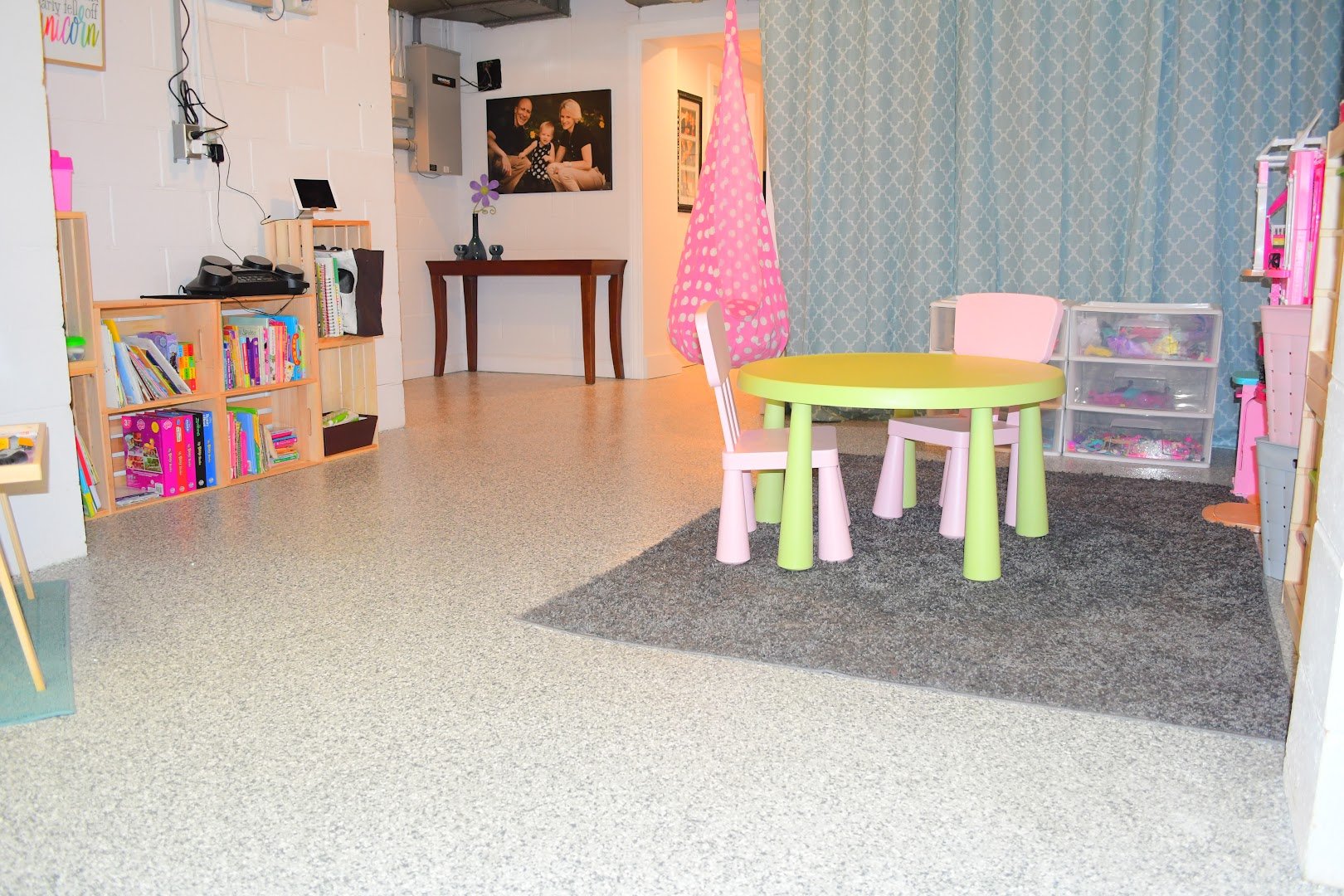
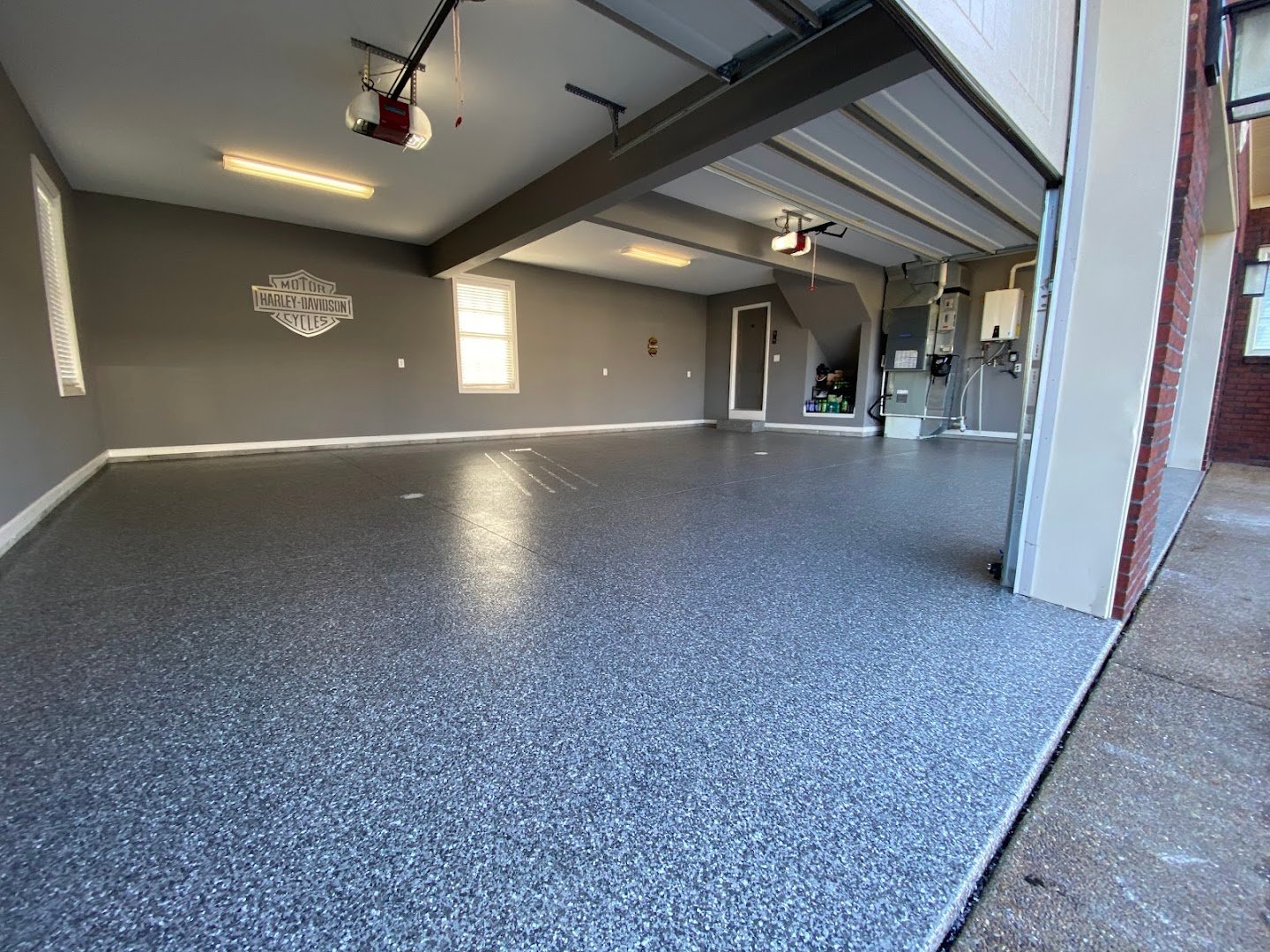
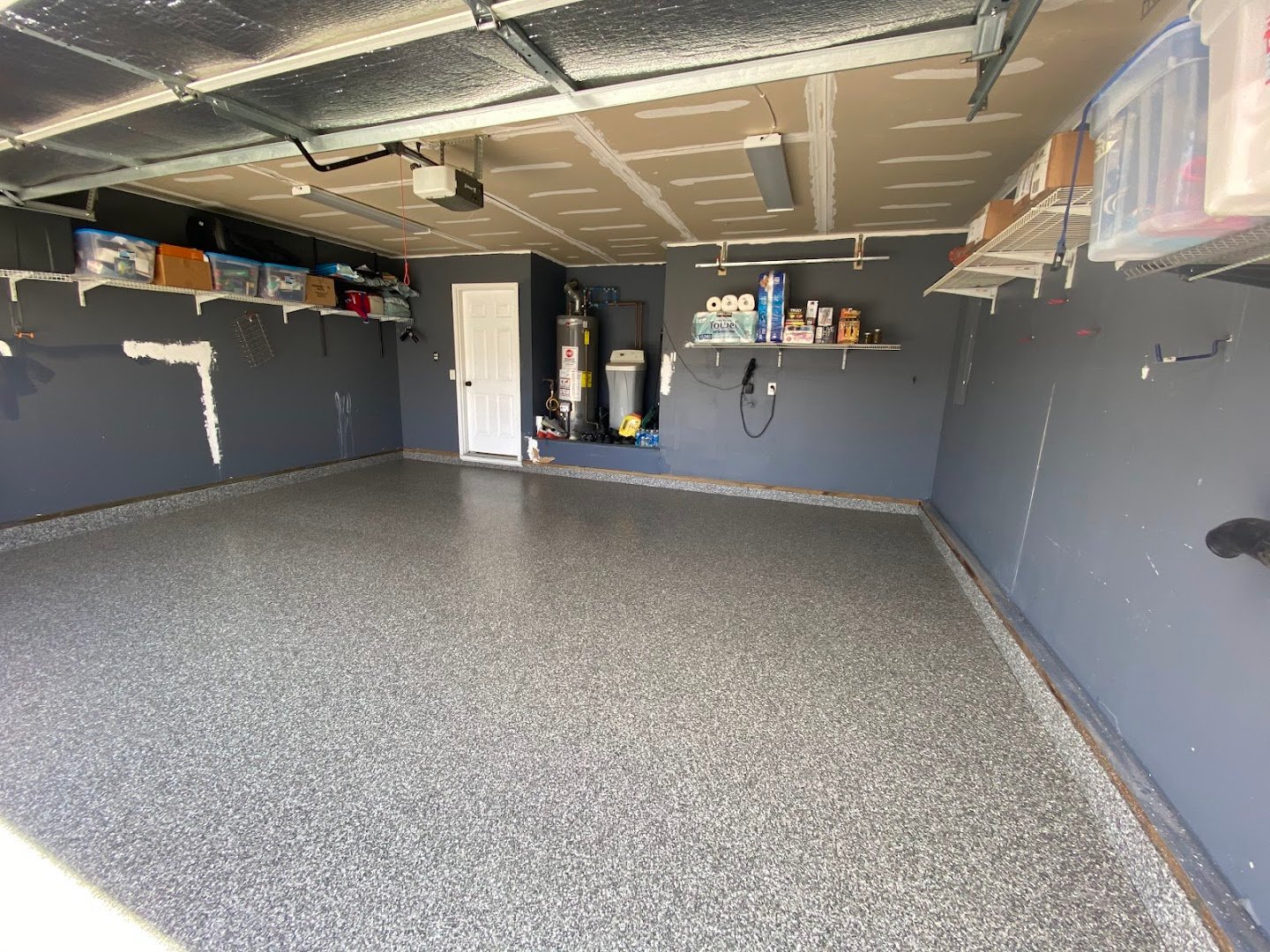
Bare concrete, while durable, is cold, hard, and can be abrasive, making it uncomfortable and potentially unsafe for workouts. It also offers no moisture protection. A professional concrete coating, such as an epoxy or polyaspartic system, provides an excellent foundation. This coating seals the concrete, protects against moisture and spills, makes cleaning easy, and significantly enhances durability. It also creates a smooth, level surface.
On top of this protective coating, many homeowners opt for additional layers for comfort and impact absorption. Rubber flooring is a popular choice, available in rolls or interlocking tiles. It excels at absorbing shock from dropped weights, reducing noise, and providing a cushioned surface for bodyweight exercises. For areas dedicated to cardio equipment or lighter workouts, high-density foam tiles or even some types of commercial-grade carpet can offer comfort and warmth. The key is to select materials that can withstand heavy use, resist moisture, and contribute to a safe, comfortable workout environment.
What is the best coating for a concrete basement floor?
For a concrete basement floor, especially one destined for a home gym, the best coating offers a combination of durability, moisture resistance, ease of maintenance, and aesthetic appeal. While concrete paint is a temporary solution, professional-grade concrete coatings like epoxy, polyurea, and polyaspartic systems are far superior.
These advanced coatings create a seamless, non-porous barrier that protects your concrete from moisture, stains, chemicals, and abrasion. This is particularly important in basements, which are prone to humidity and potential water issues. A high-quality coating prevents moisture from penetrating the concrete, reducing the risk of mold and mildew growth and protecting the structural integrity of your floor.
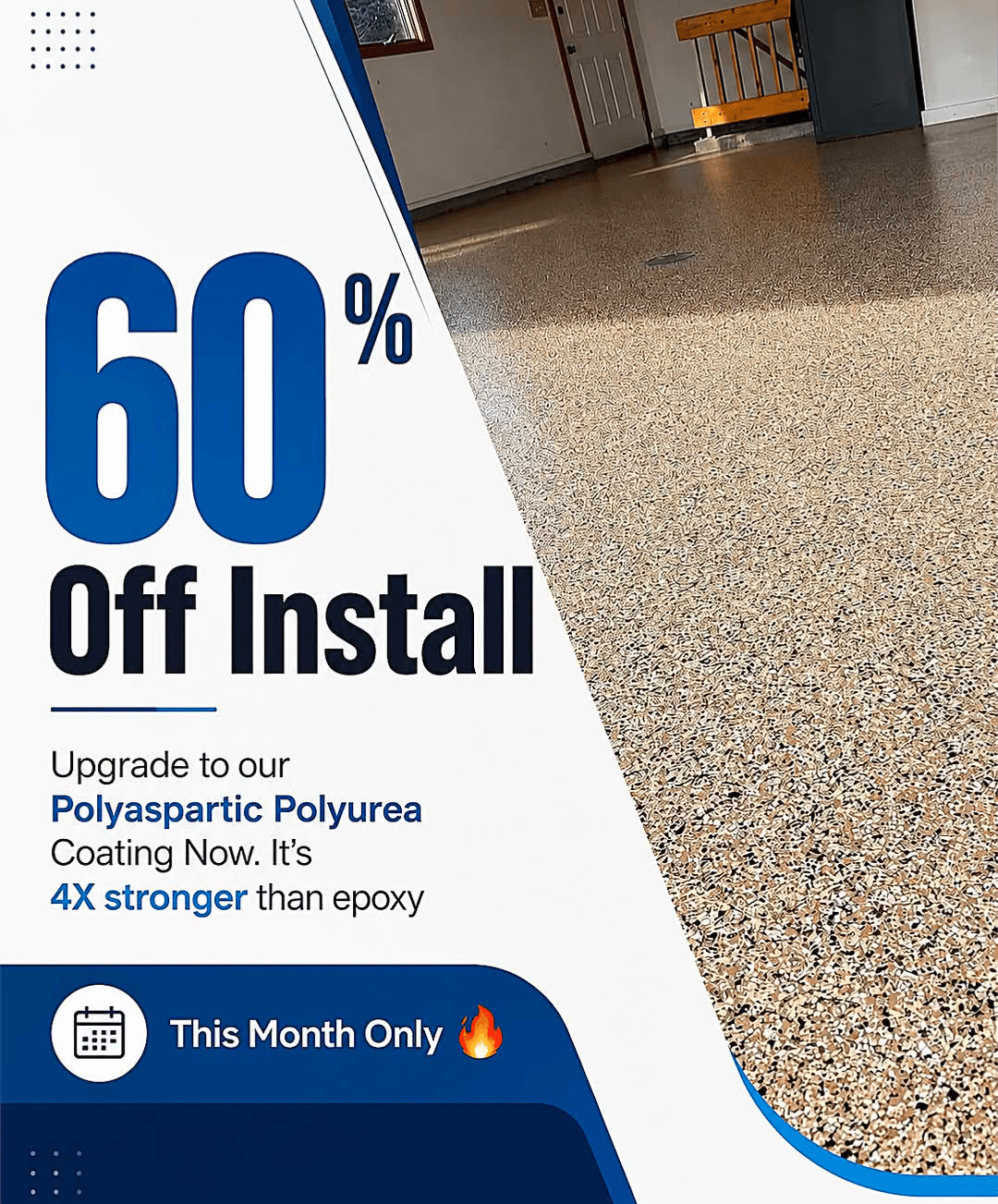
Epoxy coatings are renowned for their strength and chemical resistance, offering a robust surface that can withstand heavy equipment and foot traffic. Polyurea and polyaspartic coatings, often used as topcoats or standalone systems, provide even greater flexibility, UV stability (though less critical in a basement), and faster cure times. They are exceptionally durable, impact-resistant, and easy to clean, making them ideal for a dynamic home gym environment. ICON Concrete Coatings specializes in these high-performance systems, ensuring your basement floor is not just coated, but truly protected and enhanced for years of use.
What is the best flooring for a gym over concrete?
When considering flooring options for a gym built directly over concrete, the primary goal is to mitigate the concrete's inherent hardness and coldness while providing a safe and functional surface. The best approach often involves a combination of a protective base layer and a functional top layer.
First and foremost, ensuring your concrete slab is properly prepared and protected is crucial. This means addressing any cracks or unevenness and applying a professional-grade concrete coating. A coating system, such as those offered by ICON Concrete Coatings, creates a durable, moisture-resistant, and easy-to-clean foundation. This base layer protects the concrete from spills, sweat, and impacts, and provides a smooth surface for whatever you lay on top.
Once the concrete is properly coated, the most popular and effective top layer for a gym is rubber flooring. Rubber is excellent for shock absorption, protecting both your subfloor and your joints. It comes in various thicknesses, with thicker options being ideal for areas with heavy weights. Interlocking rubber tiles are easy to install and replace, while rolled rubber provides a seamless look for larger areas. Other options include high-density foam tiles for lighter impact activities like yoga or Pilates, or even specialized athletic vinyl flooring that offers a balance of durability and aesthetic appeal. The key is to choose a top layer that complements your workout style and provides the necessary comfort and protection.
Are epoxy floors good for a home gym?
Yes, epoxy floors are generally an excellent choice for a home gym, offering a multitude of benefits that align well with the demands of a workout space. Their primary advantages include exceptional durability, resistance to chemicals and stains, and ease of cleaning.
Durability: Epoxy creates a hard, resilient surface that can withstand heavy gym equipment, dropped weights (within reason), and constant foot traffic without showing significant wear and tear. This means your floor will look great and perform well for many years.
Resistance: Sweat, water bottles, and even accidental spills of cleaning solutions won't penetrate or stain an epoxy floor, making cleanup a breeze. This non-porous surface also inhibits the growth of mold and mildew, which is a significant advantage in a basement environment.
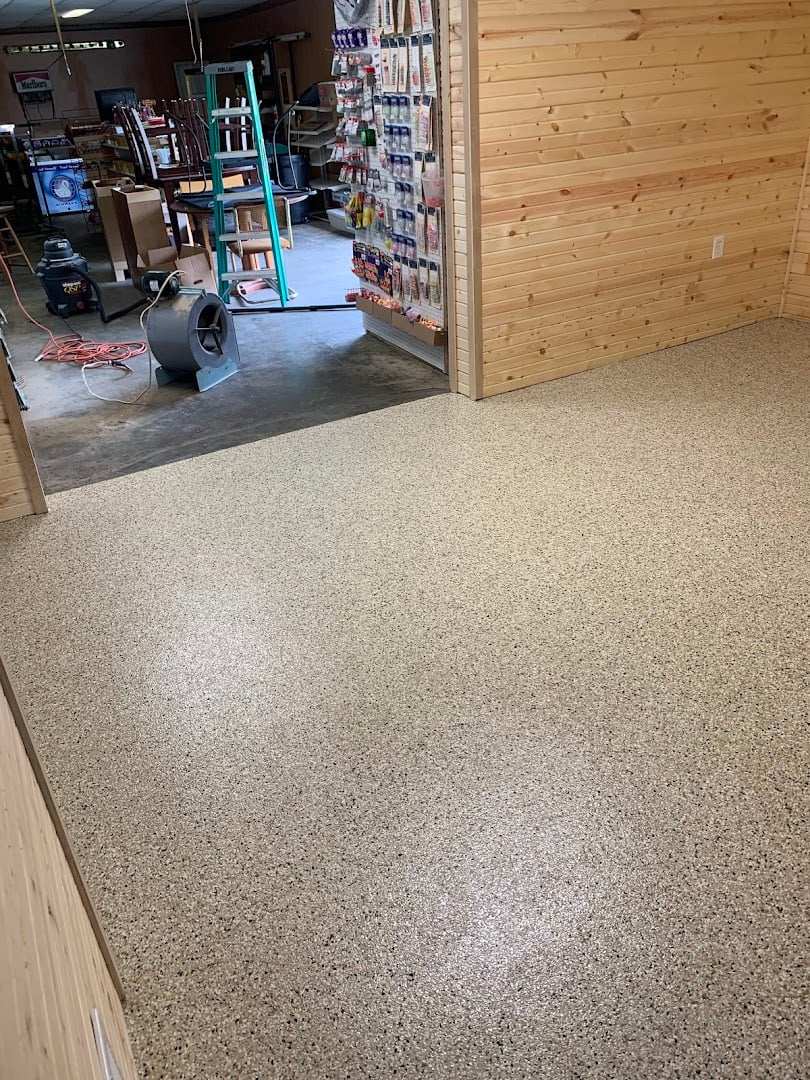
Aesthetics: Epoxy floors come in a wide range of colors and finishes, allowing you to customize the look of your home gym to match your personal style. Flake systems can add texture and visual depth, while solid colors offer a sleek, modern feel.
However, there are a few considerations. Epoxy floors can be quite hard, which might be uncomfortable for bodyweight exercises or impact activities. For these, adding rubber mats or foam tiles in specific areas is advisable. They can also be slippery when wet; incorporating anti-slip additives into the topcoat is a common and highly recommended solution to enhance safety. While epoxy is a fantastic option, other advanced coatings like polyurea and polyaspartic systems offer similar benefits with added flexibility and faster cure times, which ICON Concrete Coatings can discuss as part of your personalized solution.
Choosing the right flooring for your home gym basement is a significant investment that pays off in comfort, safety, and durability. By understanding your options and the benefits of professional concrete coatings, you can create a workout space that inspires and performs.
Ready to transform your basement into the ultimate home gym? Our experts are here to help you select the perfect concrete coating solution for your space in Indiana and Kentucky. Get started today with a free quote and let ICON Concrete Coatings lay the foundation for your fitness journey!