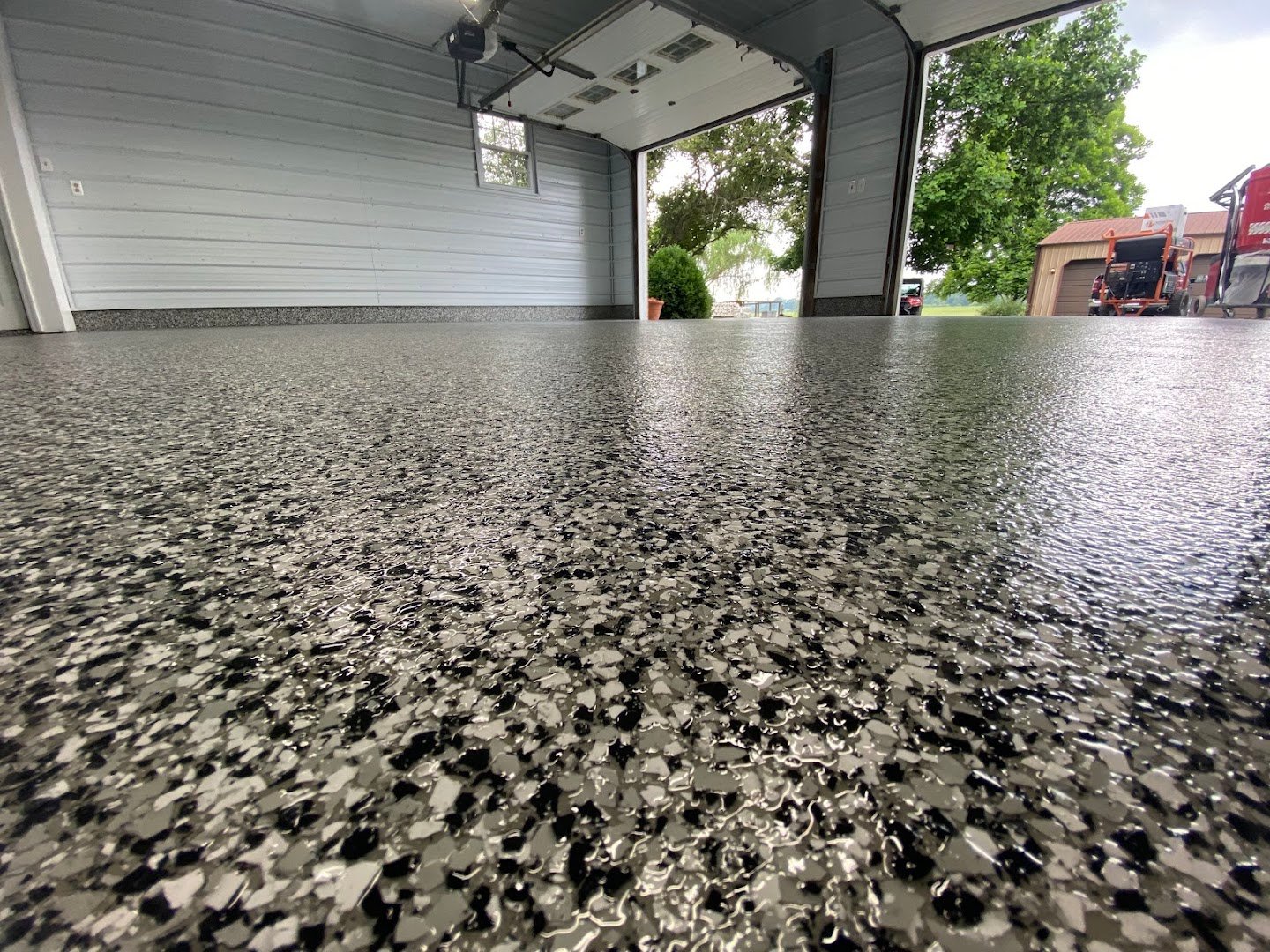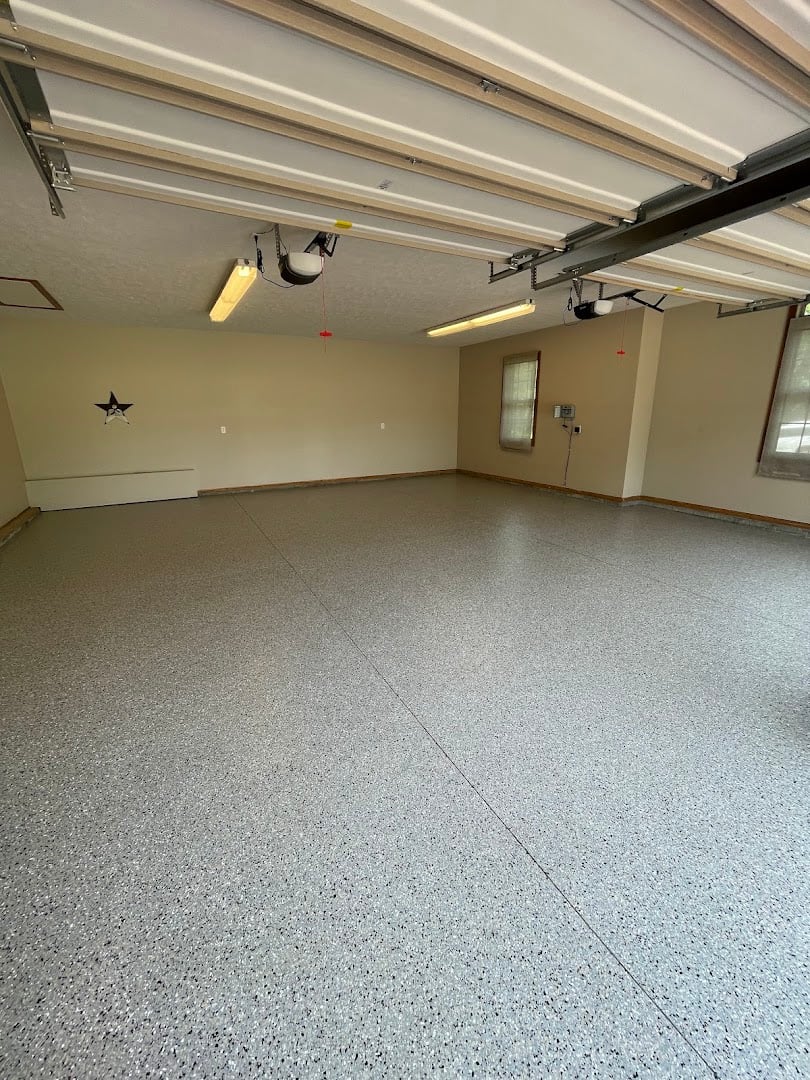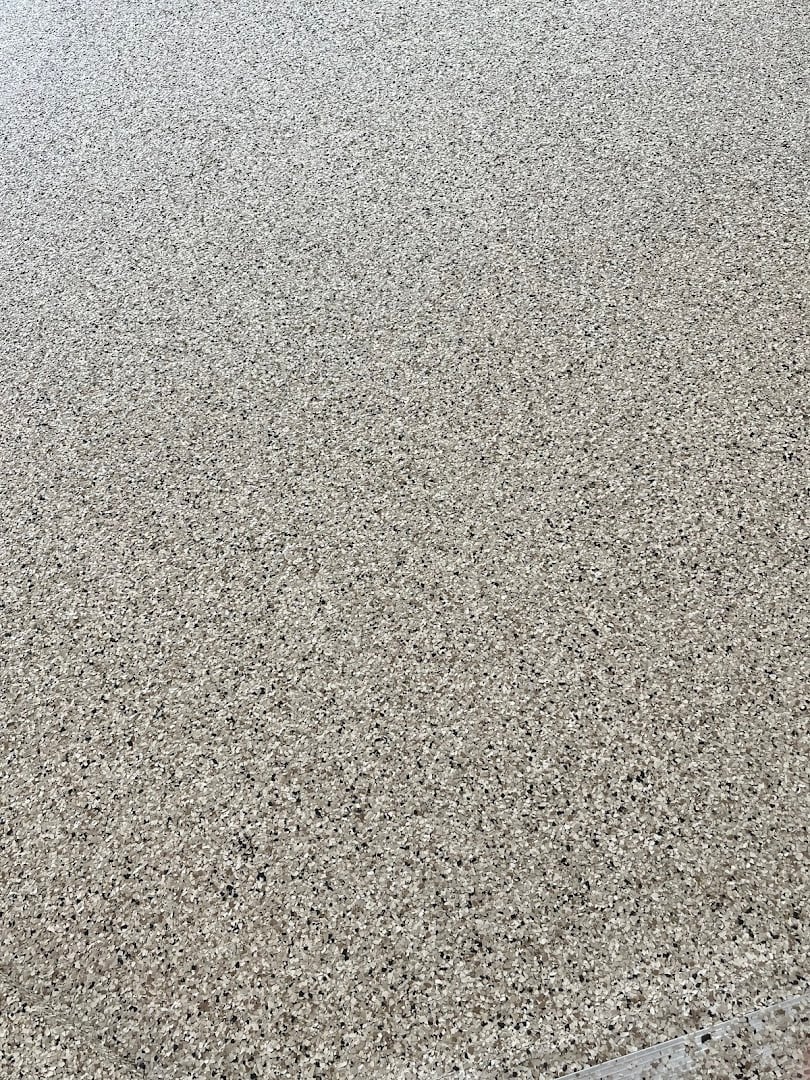
Quick answer: Traditional concrete pool decks absorb heat and can become painful to walk on during summer afternoons. Rubber pool deck coatings stay significantly cooler because rubber reflects heat rather than storing it, while also providing a slip-resistant, cushioned surface. For homeowners in Evansville, IN, this means a pool deck that's safe for bare feet even during the hottest months of the year.
Key Takeaways
- Rubber pool deck coatings reduce surface temperature compared to bare concrete, making them safer for bare feet and pets.
- The cushioned texture reduces slip risk and joint strain, an important factor for families with kids and older adults.
- ICON Concrete Coatings offers rubber pool deck coatings in Evansville, IN, designed specifically for the region's hot, humid summers.
If you've ever hopped across a scorching pool deck trying to protect your feet, you already know why this topic matters. Summer afternoons around the pool should be about relaxation, not doing a barefoot sprint across blistering concrete. That discomfort isn't just an inconvenience. It can lead to real safety issues, especially for kids running around a pool area or older adults trying to navigate a slick, uneven surface.
This is where rubber pool deck coatings come in. Unlike standard concrete, which absorbs and holds heat throughout the day, rubber coatings are engineered to stay cooler underfoot while also improving traction and cushioning. For homeowners considering a pool deck upgrade this season, understanding how these coatings work can make the decision a lot easier.
Why Does Concrete Get So Hot in the Summer?
Concrete is a dense material with a high thermal mass, meaning it absorbs heat throughout the day and releases it slowly. On a sunny afternoon, exposed concrete surfaces can reach temperatures well above the surrounding air temperature. In direct sun, that heat builds up fast, and by mid-afternoon, a concrete pool deck can become uncomfortable, sometimes even hazardous, to walk on barefoot.
This is a familiar frustration for many pool owners in Evansville, where summer temperatures regularly climb into the 80s and 90s. Add direct sunlight reflecting off the pool water, and the deck surface can feel even hotter than the air itself.
How Do Rubber Pool Deck Coatings Stay Cooler?
Rubber coatings work differently than concrete on a material level. Instead of absorbing and retaining heat, rubber surfaces reflect more solar radiation and release heat more quickly once shaded or cooled. The result is a surface that doesn't build up the same intense, lingering heat that bare concrete does.
Beyond temperature, the texture of rubber coatings plays a role in comfort, too. The naturally cushioned, slightly textured surface feels gentler underfoot compared to hard, flat concrete. This makes a noticeable difference for anyone spending hours poolside, whether that's kids running back and forth or adults lounging in bare feet.
What Other Benefits Come with Rubber Pool Deck Coatings?
Comfort is a major selling point, but it's not the only reason homeowners are choosing rubber coatings for their pool areas. A few additional benefits include:
- Slip resistance: The textured surface provides better grip than smooth or worn concrete, even when wet, reducing the risk of slips near the pool.
- Joint-friendly cushioning: The slight give in rubber coatings reduces impact on knees, ankles, and feet, which can matter for older adults or anyone who spends a lot of time standing poolside.
- Durability against weather: Quality rubber coatings are designed to withstand UV exposure, chlorine splashes, and temperature swings without cracking or fading as quickly as untreated concrete.
- Design flexibility: Rubber coatings come in a range of colors and finishes, allowing homeowners to update the look of a worn or outdated pool deck without a full replacement.
Is a Rubber Pool Deck Coating Right for Every Pool Area?
Rubber pool deck coatings work well for most residential and commercial pool decks, particularly those with existing concrete that's structurally sound but showing signs of wear, cracking, or heat retention issues. Choose a rubber coating if comfort, slip resistance, and heat reduction are top priorities for your family or guests. Homeowners with young children, pets, or elderly family members tend to see the most noticeable, everyday benefit from the switch.
If the existing concrete has significant structural damage, that typically needs to be addressed first before a coating is applied. A professional evaluation can determine whether an existing deck is a good candidate for coating or if repairs are needed beforehand.
Choosing Rubber Pool Deck Coatings in Evansville, IN
Evansville summers bring a mix of high heat and humidity, conditions that make heat-retentive concrete decks especially uncomfortable. Homeowners searching for rubber pool deck coatings in Evansville, IN are often looking for a solution that holds up to local weather while making the pool area more enjoyable throughout the season.
ICON Concrete Coatings specializes in installing rubber pool deck coatings suited to Evansville's climate, helping homeowners create a pool area that's safer and more comfortable from the first hot day of the season through the last swim of summer.
Ready for a Cooler, Safer Pool Deck This Summer?
A hot, hard pool deck shouldn't stand in the way of enjoying summer. Rubber pool deck coatings offer a practical upgrade that keeps feet comfortable, reduces slip risk, and holds up against the wear and tear of pool season after pool season.
If your concrete pool deck has become too hot to enjoy, reach out to ICON Concrete Coatings to discuss whether a rubber coating is the right fit for your outdoor space.
Frequently Asked Questions
How much cooler are rubber pool decks compared to concrete?
While exact temperatures vary based on sun exposure, color, and climate, rubber coatings generally stay noticeably cooler to the touch than bare concrete because they reflect heat rather than absorbing and storing it.
How long do rubber pool deck coatings last?
With proper installation and maintenance, rubber pool deck coatings can last for several years, though lifespan depends on sun exposure, foot traffic, and how well the surface is cared for over time.
Can rubber coatings be applied over existing concrete?
In most cases, yes. As long as the existing concrete is structurally sound, a rubber coating can typically be applied directly over it. Cracked or damaged concrete may need repairs first.
Are rubber pool deck coatings slippery when wet?
No. One of the main benefits of rubber coatings is improved slip resistance compared to smooth concrete, even when the surface is wet.
Is a rubber pool deck coating a good option for commercial pools?
Yes. Many commercial pool facilities choose rubber coatings for the same reasons homeowners do: improved safety, comfort, and durability under heavy foot traffic.